
 MalawiTravel
Russia Work, Study Routes for Malawians Face New Safety Demands
Malawian rights advocates and scholars want their government to demand safeguards over job and study schemes that allegedly trap young Africans in Russian war-related work. The call came as the Russia-Africa Summit opened in Moscow on 28 October 2026.
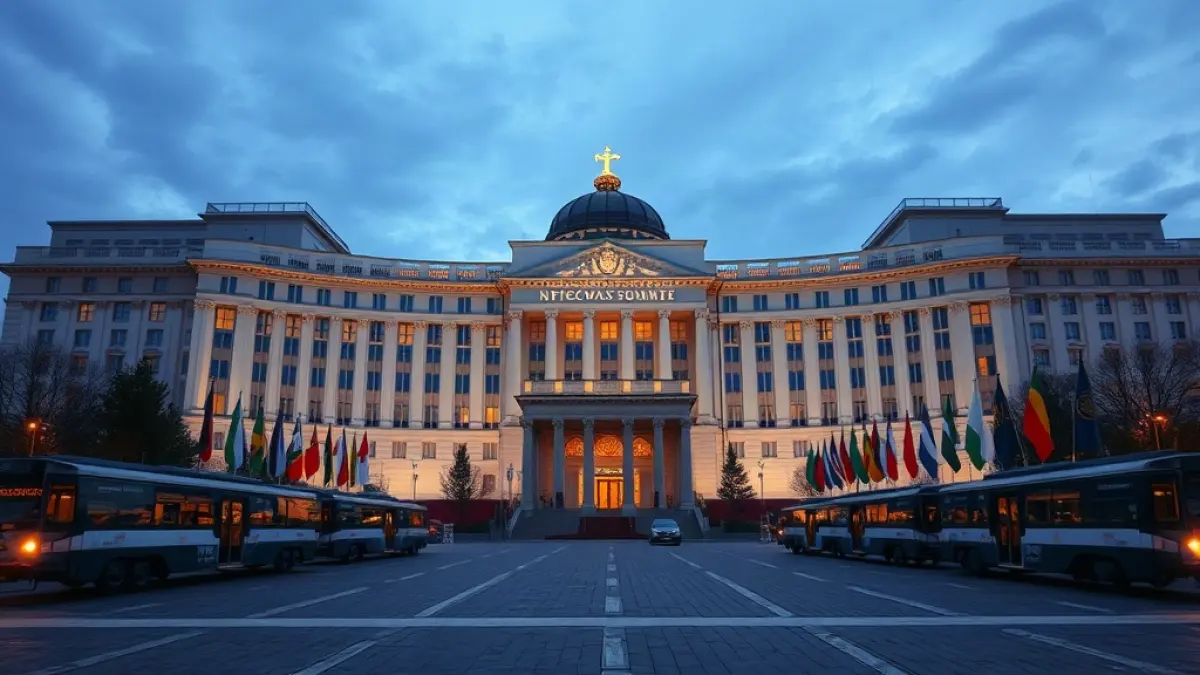
Human rights advocates and political scholars in Malawi are pressing the government to demand answers from Russia over recruitment schemes that allegedly place young Africans in war-related industries. Their appeal came just before the third Russia-Africa Summit, scheduled for 28-29 October 2026 in Moscow, which Malawi and 30 other countries had confirmed they would attend.
Key facts
- The Russia-Africa Summit runs 28-29 October 2026 in Moscow; Malawi and 30 other countries confirmed participation.
- Reports first emerged in November 2025 alleging Malawian girls were among hundreds of young African women recruited to Alabuga, a Russian industrial zone linked to military drone production.
- In August 2026, Homeland Security Minister Peter Mukhito raised concerns after reports that four Malawian youths were trapped in Russian war-related industries.
- The Alabuga Start programme is described as targeting women aged 18 to 22 through social media adverts.
- Malawi was reported to be sending no delegation from the foreign affairs, trade and homeland security ministries.
What is being alleged?
The Alabuga Start programme is described as advertising work-study opportunities in hospitality, catering and floristry to women aged 18 to 22, with free air travel, accommodation and competitive salaries. Investigative reports have alleged that some recruits face passport confiscation, harsh working conditions and pressure to assemble military equipment after arriving in Russia.
Malawian officials have maintained that they have not received formal reports confirming that Malawians were directly enlisted in Russian military or defence activities. Benedicto Kondowe, a legal and education rights commentator, said individual cases must be independently verified.
What are the advocates asking for?
The advocates want African governments to secure safeguards covering recruitment, information-sharing, consular access, trafficking investigations and the safe return of affected citizens. Their concerns follow criticism that African leaders did not raise the plight of young people allegedly trapped at the Alabuga drone manufacturing facility during the previous summit in Moscow.
Kondowe said Malawi must put citizens' safety before diplomatic and economic interests, saying "The dignity, safety, and lives of Malawians must come before diplomatic convenience." Political scholar Jan Kasunda urged African leaders to discuss the issue openly and agree a plan to safely return all African youths trapped in the war zone.
Governance advocate Undule Mwakasungula called for stronger international cooperation to dismantle recruitment networks and hold those responsible accountable. He also said African governments should create jobs and expand skills training at home to reduce young people's vulnerability to deceptive offers abroad.
Who is representing Malawi?
Malawi was reported to be sending no delegation of officials from the ministries responsible for foreign affairs, trade and homeland security, with no official explanation given. Officials were instead attending a Common Market for Eastern and Southern Africa summit in Harare, Zimbabwe, led by Foreign Affairs Minister George Chaponda, while President Peter Mutharika was on a private trip to South Africa.
After the previous summit, Chaponda said reports of young women allegedly trapped in drone manufacturing plants were new to him at the time. He had hoped to seek clarification from Russian authorities, but the matter was not formally addressed during the meetings.
What this means for travellers
Anyone offered a job, scholarship or training in Russia should check carefully what the offer involves before travelling. The source notes that Malawians and other foreign nationals lured into Russia's armed forces can seek to safely leave the battlefield through Ukraine's "I Want to Live" project.
The summit was scheduled to run through 29 October 2026. No plan for the return of affected African youths has been announced.
Also about:  Russia
 Ukraine
 Zimbabwe
 South Africa