
 MaliVisa-free
Mali, Burkina Faso and Niger keep visa-free ECOWAS travel after Dakar talks
ECOWAS and the Alliance of Sahel States (AES) held their first formal ministerial dialogue since their split and agreed to set up joint working groups. Community passports, visa-free movement and preferential goods treatment for Mali, Burkina Faso and Niger continue for now as transitional measures.
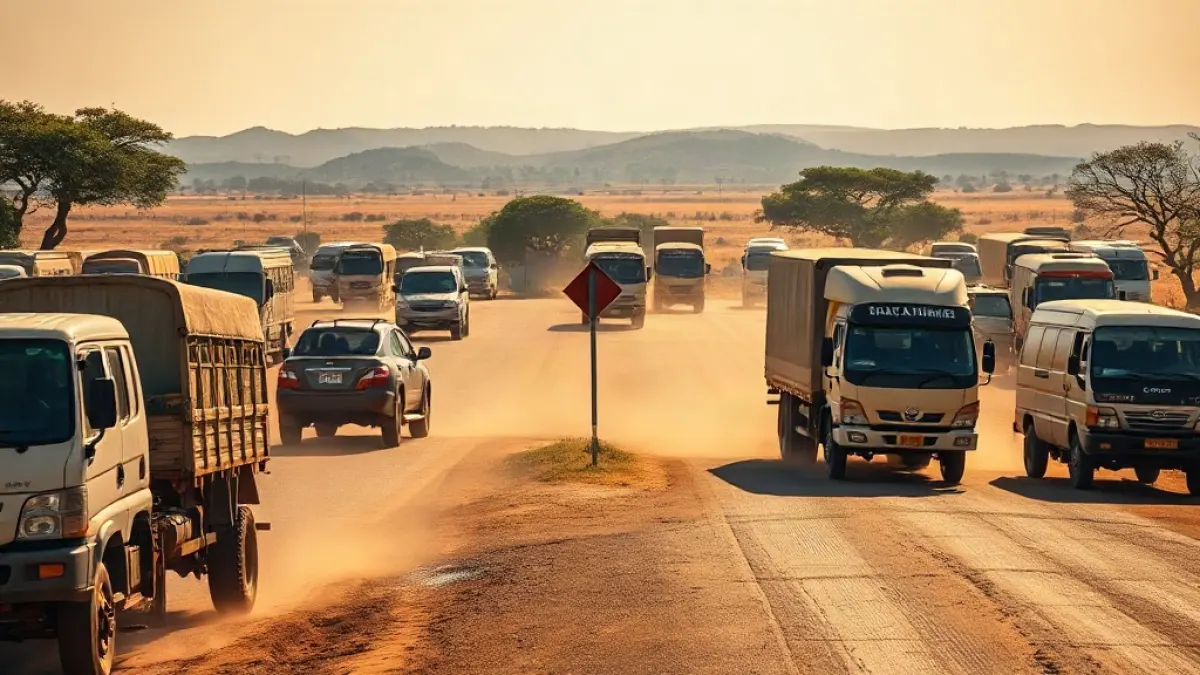
The Economic Community of West African States (ECOWAS) and the Alliance of Sahel States (AES) met in Dakar on 17 October for their first formal ministerial dialogue since the split, and agreed to create joint thematic working groups to prepare a framework cooperation agreement. For travellers and traders, the immediate takeaway is continuity: ECOWAS is still recognising community passports and visa-free movement for nationals of Mali, Burkina Faso and Niger.
Key facts
- The talks took place on 17 October in Dakar, the first formal ministerial dialogue since the split.
- ECOWAS was led by Senegal's Foreign Minister Cheikh Niang; the AES by Burkina Faso's Foreign Minister Karamoko Jean-Marie Traoré.
- Joint thematic working groups will draft a Cooperation Framework Agreement for ministers to consider.
- One report says the groups will cover 18 priority areas, including trade, cross-border security and the movement of people and goods.
- ECOWAS continues to recognise community passports for nationals of the three countries, along with visa-free movement and preferential treatment of their goods, as transitional measures.
- No date or venue has been set for the next meeting.
What is changing for travellers and cross-border trade?
Nothing has changed yet for border crossings. ECOWAS has kept its transitional measures in place for nationals of Mali, Burkina Faso and Niger: community passports remain recognised, movement stays visa-free, and their goods continue to receive preferential treatment.
Trade remains unsettled elsewhere. The AES has announced tariffs on imports from non-members that include coastal ECOWAS countries such as Nigeria, and the analysis accompanying the dialogue argues this question needs resolving alongside the free-movement arrangements.
Is this a return to ECOWAS?
No. The three Sahelian states maintain that their exit is irreversible, and the Dakar talks do not signal a return to membership. The dialogue is instead aimed at finding practical ways for the two blocs to coexist.
What has actually been agreed?
So far, only the creation of the working groups. The communiqué lists no themes, members or deadline, and no draft text has been seen. A single report says the groups will discuss 18 priority areas, including trade, cross-border security and the movement of people and goods, but those details are otherwise thin.
What are the remaining obstacles?
Politics remain difficult. One analysis argues that jihadist violence has increased since the military regimes took power, while AES leaders argue that ECOWAS failed to adequately support the fight against the insurgency. Some ECOWAS-aligned voices also tie long-term unity to the ballot box, a point the AES juntas are unlikely to accept. Dakar did not settle these disagreements.
What this means for travellers
Nationals of Mali, Burkina Faso and Niger can continue to use community passports and visa-free movement within ECOWAS under the existing transitional measures, and no change has been announced. Because these arrangements are transitional and the working groups have not yet met, travellers should confirm current entry and crossing arrangements before they travel.
The working groups are meant to produce a Cooperation Framework Agreement for ministers to consider, but no date or venue for the next meeting has been set.
Also about:  Burkina Faso
 Niger
 Senegal
 Ghana
 Nigeria