
 MongoliaEntry rules
Mongolia Enhances Health Surveillance on Russia Border Following Plague Report
Mongolia has implemented health surveillance measures along its border with Russia after a reported plague death in Siberia. The Ministry of Health assures that the current risk level remains low.
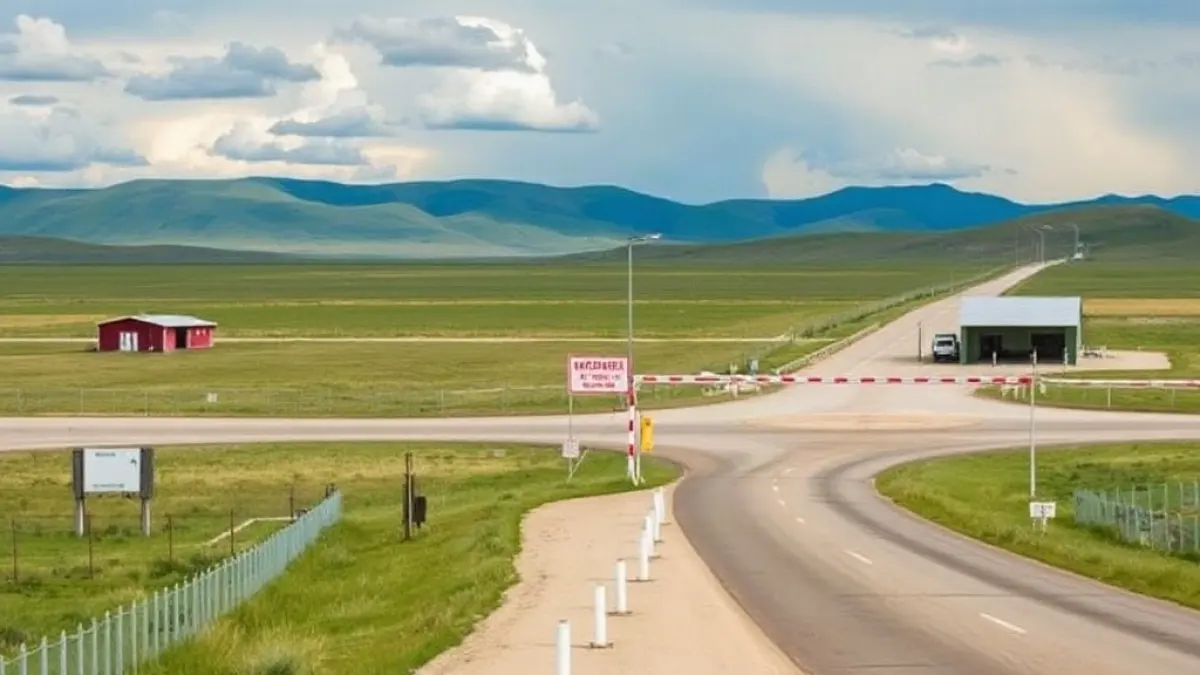
Mongolia's government has announced new health surveillance measures at its border with Russia following the reported death of a laboratory technician from plague in Siberia. The decision, made on October 7, 2026, aims to monitor and mitigate potential health risks.
Current Health Measures
The Ministry of Health of Mongolia has stated that, despite the reported incident, the current risk level is considered low. Authorities have been instructed to maintain continuous surveillance and monitoring to prevent any potential health threats. Border crossings in Selenge Province are operating normally, with health checks being conducted.
Background on the Reported Case
The reported plague death involved a 28-year-old woman who worked at a plague research institute in the Irkutsk region of Russia, located north of Mongolia. While Russian media reported her death, the Russian health agency has downplayed the situation, asserting that there are no epidemic risks for the population. They indicated that the woman died from pneumonia, with the exact cause still undetermined.
Regional Cooperation
In light of the situation, China has expressed its commitment to cooperating with Russia on infectious disease prevention and control. The Chinese foreign ministry confirmed ongoing communications with Russian authorities regarding the reported death, emphasizing the importance of regional health security.
Travelers planning to cross the Mongolia-Russia border should remain informed about any health surveillance measures and adhere to guidelines issued by health authorities. It is advisable to stay updated on any changes that may affect travel plans in the region.
 Russia
 China