
 MozambiqueTravel
Mozambique Visitors Face Suspended Flights, Armed Escorts, Higher Visa Fees in North
UN OCHA reports that security incidents in Cabo Delgado, Niassa and Nampula rose 28% over the first three quarters of 2026, with an airfield closure, suspended UN flights, compulsory armed escorts and high visa costs restricting movement and aid delivery.
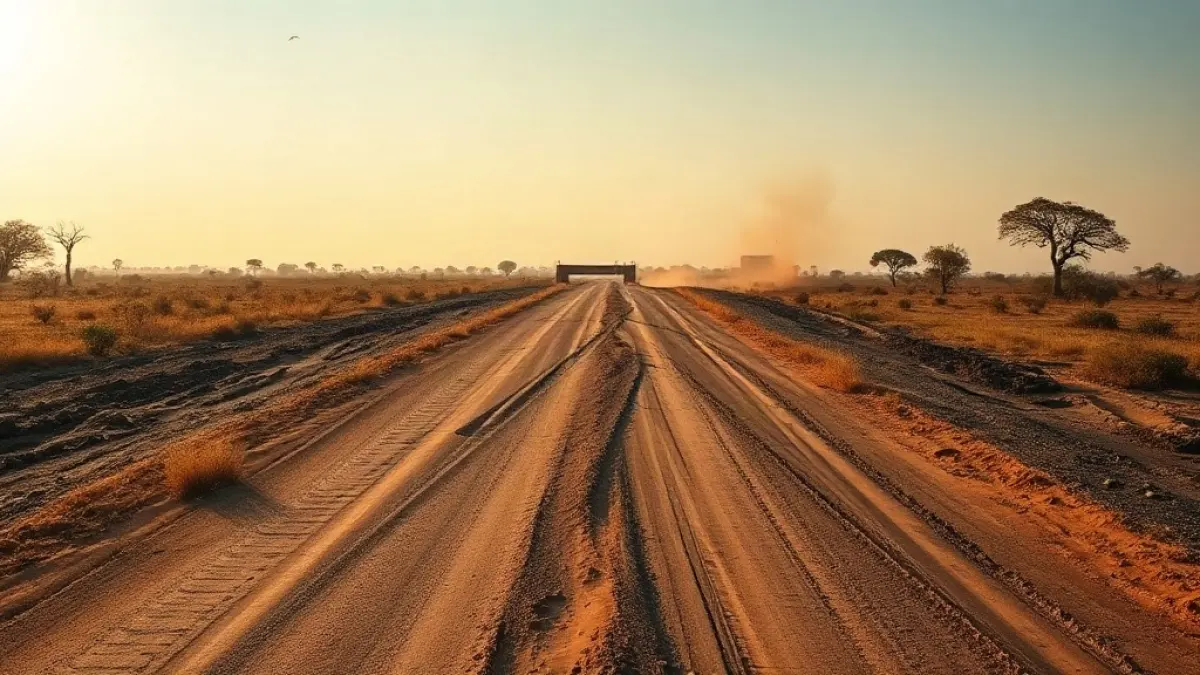
Insecurity and administrative restrictions in Mozambique's northern provinces of Cabo Delgado, Niassa and Nampula worsened between July and September 2026, according to a humanitarian access snapshot published by the UN Office for the Coordination of Humanitarian Affairs (OCHA). Road and air links were disrupted, armed escorts became compulsory on one key route, and visa costs were flagged as a barrier to operations.
Key facts
- Security incidents rose from 192 in the first quarter of 2026 to 213 in the second and 245 in the third — a 28 per cent overall increase.
- In the third quarter, nearly four in five incidents involved violence against civilians, and 379 people were reportedly abducted.
- Mocímboa da Praia district airfield closed on 21 August 2026, pushing air access to Palma and Mueda.
- UN humanitarian air service (UNHAS) flights to Ibo have been suspended since 15 February 2026 because of unsuitable runway conditions.
- Visa costs of MZN 85,000 for three months, with a one-time renewal limit, were flagged as a constraint on humanitarian operations.
How serious is the security situation?
OCHA recorded a steady rise in incidents throughout 2026. In the third quarter, nearly four in five involved violence against civilians, and 379 people were reportedly abducted. Non-State armed groups were reported moving and attacking in Macomia, Quissanga, Meluco, Ancuabe, Chiúre, Montepuez, Muidumbe, Mocímboa da Praia and Nangade districts, with activity appearing to spread from the Catupa area of Macomia into neighbouring districts.
In August, an attack in Balama district destroyed homes, and five fishermen were reportedly killed in Litamanda, in Macomia district. In September, insecurity spread beyond Cabo Delgado, with an attack reported in Marrupa district, Niassa province, which caused temporary displacement and disrupted services and communications. Abductions and ransom demands affected civilians, transport operators, farmers, miners and fishermen across Cabo Delgado.
What are the road and air access constraints?
Road movement carries documented risks. A convoy was attacked on the N380 between Muidumbe and Mocímboa da Praia districts, and abductions and ransom demands were reported along the R698 between Montepuez and Mueda. Humanitarian travel was restricted on the Mueda–Nangade and Mahate–Quissanga roads.
Armed escorts remained compulsory in September on the Macomia–Mocímboa da Praia section of the N380. Escorts were reintroduced on the Ancuabe–Macomia route in July before partners negotiated exemptions. In Niassa, the reported hijacking of a vehicle in Marrupa raised further road safety concerns.
The closure of Mocímboa da Praia airfield on 21 August forced partners to fly into Palma and Mueda instead and continue by road via the R762 and N380, increasing journey times, costs and exposure to insecurity. UNHAS flights to Ibo stayed suspended throughout the third quarter. Six explosive-hazard incidents were reported in Macomia, Nangade and Mocímboa da Praia districts, including a fatal incident involving a woman collecting water in Mbau. Poor roads and the coming rainy season risk further isolating remote communities.
What administrative barriers are reported?
Humanitarian partners reported delays in obtaining operational credentials in Muidumbe and Palma districts, and one international non-governmental organisation temporarily suspended services after being denied provincial credentials. Visa costs of MZN 85,000 for three months, plus a one-time renewal limit, were also raised.
In Muidumbe, authorities declined water trucking intended for 6,690 people, favouring longer-term infrastructure, so assistance was redirected to Mueda and Nangade. Conflicting instructions from provincial and district authorities complicated operations in Nacala Porto and Memba districts. Community tensions also disrupted aid: disputes over beneficiary selection in Macomia and Ancuabe led to the reported looting of 86 hygiene kits in July, and protests in Memba district in August damaged aid items and led to the reported stoning of a vehicle. OCHA notes that some allegations remain unverified.
What this means for travellers
The snapshot describes armed escorts on sections of the N380, restricted roads in several districts, a closed district airfield and suspended UNHAS flights to Ibo. Anyone planning movement in Cabo Delgado, Niassa or Nampula should check current road, escort and air access conditions and local security guidance before travelling, and allow for longer journey times where flights are unavailable.
OCHA does not state any new travel rules or entry requirements in the report. Poor road conditions and the upcoming rainy season are flagged as likely to further isolate remote communities.