
 ParaguayTravel
Travellers in Paraguay Can Pay in Guaraníes Without a Local Bank Account
A non-custodial digital wallet called Peanut is being tested in Paraguay, letting newcomers, digital nomads and crypto users hold digital dollars and pay by card without a Paraguayan bank account. Spending in guaraníes costs Visa's exchange rate plus 1%.
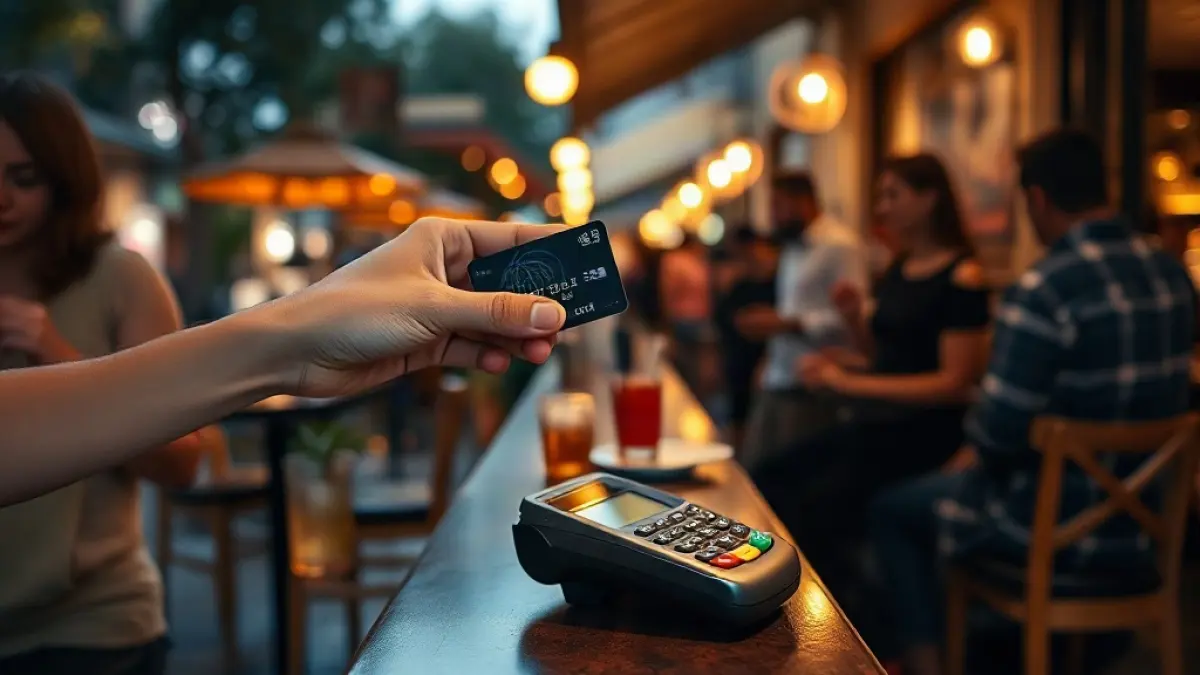
A digital wallet called Peanut is being trialled in Paraguay, giving foreigners a way to hold digital dollars, move funds and pay by card without opening an account at a Paraguayan bank. The service is aimed first at newcomers, digital nomads and cryptocurrency users living in the country, according to Edgar Barrientos (35), known as "Pumbi", who represents Peanut and helps new users test the platform.
Key facts
- Who it is for: foreigners, digital nomads and crypto users in Paraguay — not mainly Paraguayans paid in guaraníes
- What it offers: a non-custodial wallet holding digital dollars, transfers and the Peanut Card for everyday purchases
- How to top up: supported cryptocurrencies and digital dollars, plus selected banking and payment systems abroad, depending on the user's country
- Cost: no extra Peanut charges for holding balances or standard transfers; spending in another currency costs Visa's exchange rate plus an additional 1%
- Reach: the company says the service supports payments across more than 140 countries
- Not yet available: direct funding through Paraguayan bank transfers in guaraníes, with no confirmed date
What is Peanut and how does it work?
Peanut describes itself as a non-custodial digital wallet, which means users keep control of the digital assets linked to their accounts rather than handing them to a financial institution. Accounts can be funded with supported cryptocurrencies and digital dollars, and Peanut also connects with selected banking and payment systems abroad depending on where the user is based.
The Peanut Card can be linked to compatible digital wallets and used for ordinary purchases. Barrientos said the balance is held in USDC but works like local money at the till: the customer asks for a normal card payment, the amount is deducted from the balance in the background and the merchant is paid through the conventional network. Merchants do not see that a cryptocurrency balance was used.
Who is it aimed at in Paraguay?
For now the focus is on foreigners rather than the local market, because accounts cannot be topped up directly through Paraguayan bank transfers in guaraníes. Barrientos said the platform's first event in Paraguay was therefore aimed at digital nomads.
At a pilot event, a Brazilian attendee moved money from her Brazilian bank using Pix and received digital dollars in her Peanut account in roughly two minutes, then paid at the bar by card, Barrientos said. He described cross-border use as especially relevant for foreigners living in Paraguay who are paid or bank elsewhere.
How much does it cost?
Holding digital dollars and making standard transfers within the platform carries no additional Peanut charges, according to Barrientos. Fees apply when a dollar balance is spent in another currency, such as guaraníes in Paraguay: the conversion follows Visa's exchange rate and Peanut adds 1%.
"You pay, aside from the Visa type of change, another 1%", Barrientos said, adding that this is the only fee on top of the currency conversion charge.
What this means for travellers
Foreigners living in Paraguay without a local bank account can hold and spend digital dollars through the Peanut Card for everyday purchases, using top-ups from supported cryptocurrencies or from selected banking and payment systems abroad. Anyone interested should check which funding options apply to their own country, since availability varies.
What happens next
Direct integration with Paraguayan banks remains a future possibility. Barrientos said local bank transfers are expected to become available, but no exact date has been confirmed.