
 RussiaVisa-free
Vietnam to Russia trips go visa-free for stays up to 30 days from 15 October
Russian President Vladimir Putin signed a decree on 13 October 2026 letting Vietnamese ordinary passport holders enter Russia visa-free for up to 30 days. The exemption runs from 15 October 2026 to 15 October 2027.
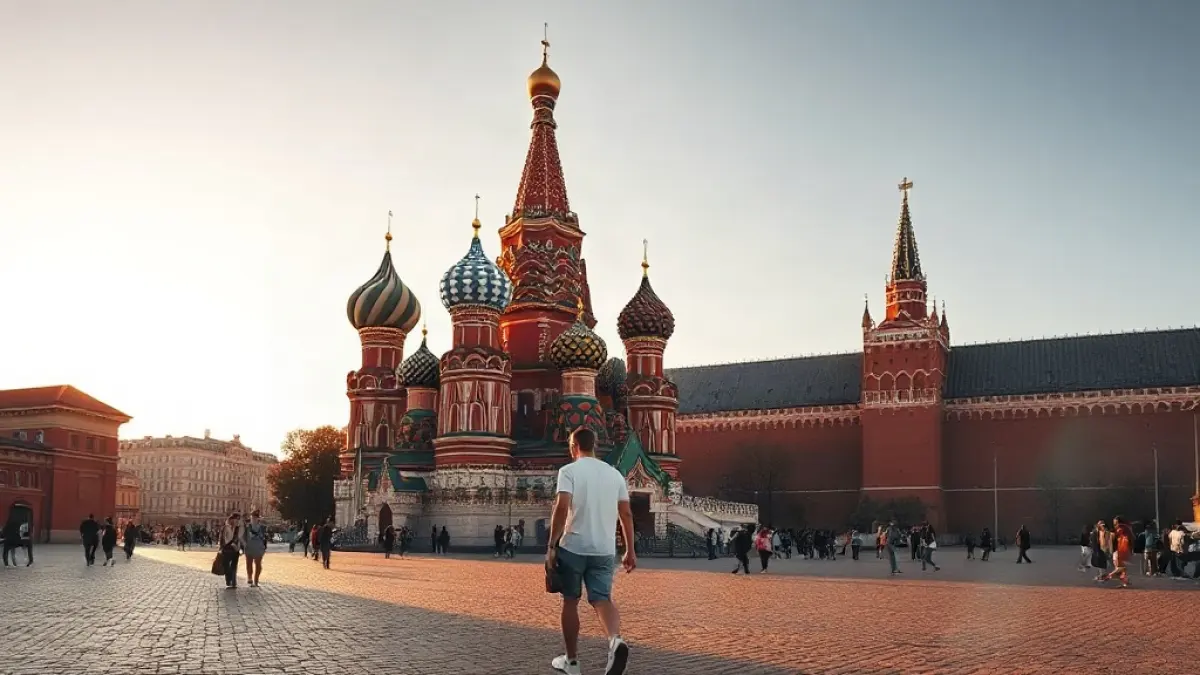
Vietnamese citizens travelling on ordinary passports can enter Russia without a visa and stay for up to 30 days, under a decree signed by Russian President Vladimir Putin on 13 October 2026. The visa-free arrangement takes effect on 15 October 2026 and runs until 15 October 2027, opening a year-long window for trips without a prior visa application.
Key facts
- Applies to Vietnamese holders of ordinary passports
- Maximum stay: 30 days per visit
- Validity: 15 October 2026 to 15 October 2027
- Permitted purposes: tourism, family visits, business, transit and a range of other activities
- Not covered: work, including journalism, study and long-term residence
- No visa application needed to enter, stay in or leave the country
What is changing?
Under the decree, eligible Vietnamese travellers can enter, remain in and depart Russia without applying for a visa. The exemption covers tourism, family visits and business, as well as scientific, cultural, political, social, economic and sporting activities, and transit through Russia.
Who is affected?
The rule is limited to Vietnamese citizens travelling on ordinary passports. The exemption does not extend to people going to Russia for employment — including journalists — or for study or long-term residence, so those travellers still need to follow the usual visa route. The decree does not describe how passport holders with other travel documents are treated.
When do the new rules start?
Visa-free entry is available from 15 October 2026 and is scheduled to end on 15 October 2027. The source does not state what happens after that date or whether the arrangement will be extended.
What this means for travellers
Vietnamese passport holders planning tourism, family or business trips of up to 30 days should check that they are travelling on an ordinary passport and that their purpose is on the permitted list before booking. Anyone travelling to work, study or take up long-term residence should not rely on the exemption.
Why is this happening?
The Vietnam National Authority of Tourism (VNAT) described it as a reciprocal visa exemption arrangement expected to boost travel between the two countries and potentially set new records in 2026-2027. Russia receives around 15,000 Vietnamese visitors annually, while Vietnam welcomed approximately 1.13 million Russian visitors in the first nine months of 2026, up more than 160 per cent on-year, making Russia Vietnam's third-largest source market and its largest in Europe.
The Association of Tour Operators of Russia (ATOR) said the exemption could lift demand among Vietnamese travellers by 25-30 per cent compared with the period before it took effect. ATOR data show Vietnamese tourist numbers to Russia rose 69 per cent on-year in the first half of 2026, while arrivals of Vietnamese citizens for all travel purposes increased by 10.7 per cent.
ATOR said Vietnamese visitors tend to favour multi-destination itineraries reaching beyond Moscow and St Petersburg into northern Russia. A typical seven-day, six-night tour of Moscow and St Petersburg, taking in Red Square, the Kremlin and the Winter Palace, costs from $2,200. Russia is promoting tourism across Southeast Asia through its Discover Russia programme.
Also about:  Vietnam