
 Sierra LeoneTravel
Sierra Leone Opens New Tourist Sites as International Arrivals Double
A World Bank Group-supported project has upgraded three Sierra Leone tourist sites, including the Leicester Peak viewpoint opened in April 2026. International arrivals have doubled since the project began in 2020.
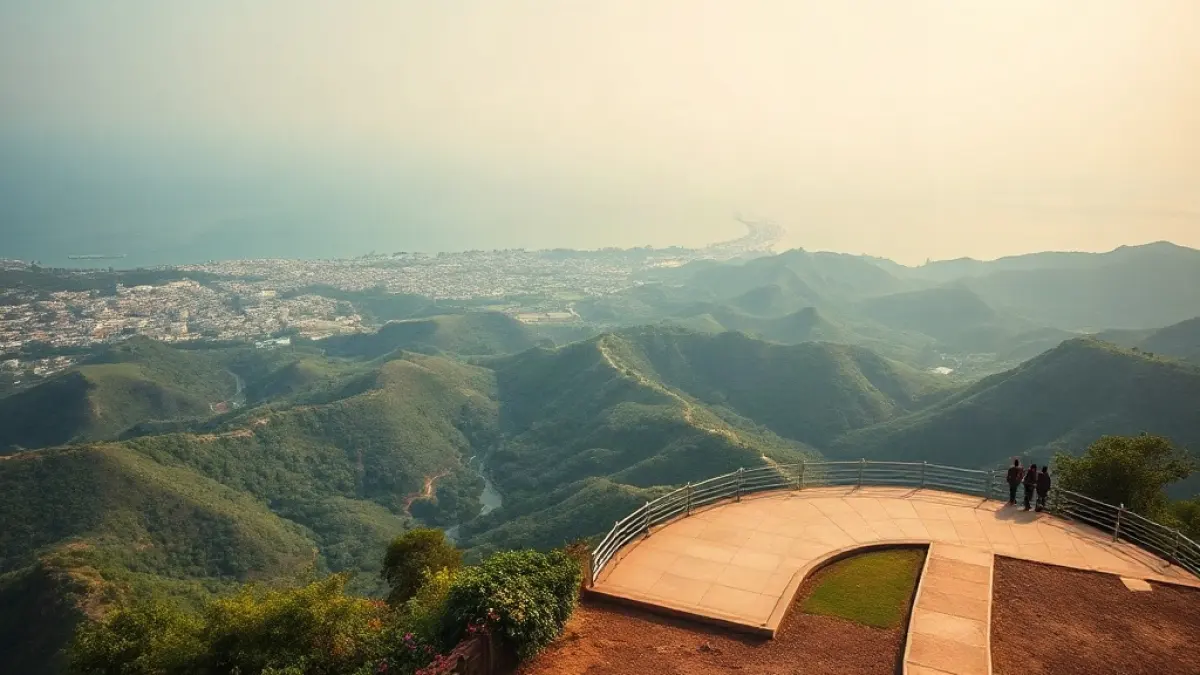
Sierra Leone has been developing its beaches, wildlife sanctuaries and mountain viewpoints through a government tourism project launched in 2020, and international arrivals have doubled since the work began. The latest milestone was the opening of the Leicester Peak Viewpoint Tourist Site in April 2026.
The Sierra Leone Economic Diversification Project (SLEDP), supported by the World Bank Group, is intended to turn visitor interest into investment, businesses and jobs in a country where tourism already accounted for about 5 percent of gross domestic product.
Key facts
- Launched: 2020, by the government of Sierra Leone, with World Bank Group support
- Sites upgraded: Bureh Beach on the Western Peninsula, Tacugama Chimpanzee Sanctuary outside Freetown, and Leicester Peak
- Latest opening: Leicester Peak Viewpoint Tourist Site, launched in April 2026
- Visitor numbers: international arrivals have doubled since the project began
- Jobs created: more than 35,000 direct and indirect, including over 10,000 held by women
- Private investment leveraged: over US$92 million
Which tourist sites have been developed?
The SLEDP focused its tourism investment on three locations: Bureh Beach on the Western Peninsula, the Tacugama Chimpanzee Sanctuary outside Freetown, and Leicester Peak, whose viewpoint looks out over the city, the sea and the surrounding hills.
Each site was treated as an integrated destination, combining infrastructure upgrades, better access, environmental assessments and marketing. The Leicester Peak Viewpoint Tourist Site was launched in April 2026 at a ceremony presided over by Sierra Leone's Vice President.
At Tacugama, the project built a Conservation Education and Innovation Centre alongside a botanical garden. Improved access roads, parking, landscaping and visitor amenities now make it easier for people to visit the sanctuary.
What has changed for visitors?
Sierra Leone's attractions include beaches, mountains, cultural traditions and wildlife, and the project was designed to match that interest with better infrastructure and visitor facilities. International arrivals have doubled since the project began, the source states.
Why is this happening?
The World Bank Group has identified tourism as one of five sectors with the greatest potential for large-scale employment creation in Sierra Leone. Before the project started, tourism supported around 53,000 jobs, roughly 40 percent of service sector employment, and generated demand across agriculture, construction, transport, retail, crafts and finance.
Wider business reforms accompanied the tourism work. The building permit system at Sierra Leone's Ministry of Lands, Housing and Country Planning was automated, cutting the average wait for a construction permit from 182 days to 14 working days. An upgraded collateral registry helped unlock over US$87 million in new loans to micro, small and medium-sized enterprises, and a Business Solution Center at the National Investment Board helped register more than 13,000 new businesses.
What this means for travellers
Travellers heading to Sierra Leone will find upgraded facilities and access at Bureh Beach, the Tacugama Chimpanzee Sanctuary and Leicester Peak, including the viewpoint site opened in April 2026. With arrivals rising, visitors may also find more local guides, guesthouses, restaurants and transport options around these destinations.
The source gives no details on entry requirements, visas, fees or opening hours for any of the sites.
Work is continuing: the government says it will keep developing tourism sites, bring in private operators to manage them sustainably over the long term, and connect surrounding communities to the benefits they generate.