
 Sri LankaEntry rules
Sri Lanka Pre-Departure ETA Back in Force After Rapid Rule Reversal
Sri Lanka reintroduced its mandatory pre-departure electronic travel authorisation (ETA) in May after scrapping it in October 2025. The reversal is one of 97 entry-rule changes logged worldwide since October 2025.
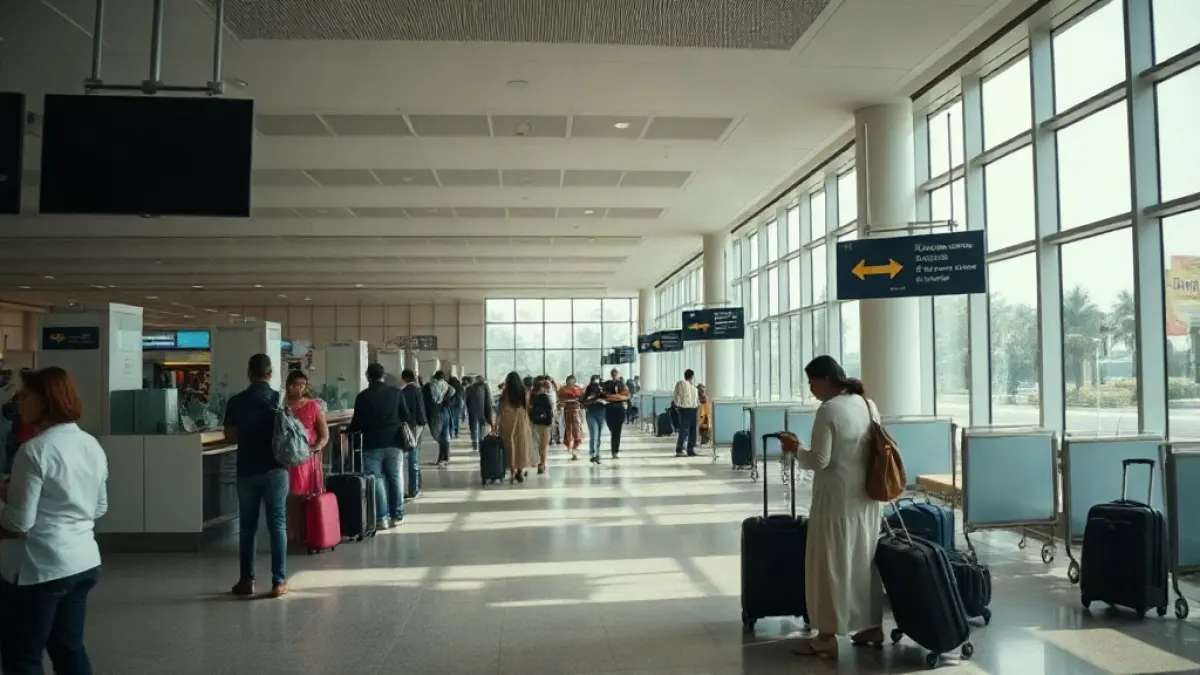
Sri Lanka now requires travellers to hold an electronic travel authorisation (ETA) before departure, after one of the fastest rule reversals recorded in the past year. The country introduced the mandatory pre-departure ETA in October 2025, withdrew it just 15 days later, and reinstated the requirement in May.
Key facts
- Sri Lanka made a pre-departure ETA mandatory in October 2025
- The requirement was withdrawn after 15 days
- Further processing disruptions affected travellers in February 2026
- The pre-departure requirement was reinstated in May
- 97 entry-rule updates were logged across 61 countries since October 2025
What has changed in Sri Lanka?
Sri Lanka introduced a mandatory pre-departure ETA in October 2025, then removed the requirement 15 days later. Travellers faced further processing disruptions in February 2026, and the pre-departure requirement was brought back in May.
The source does not state which nationalities the ETA applies to, what it costs, how long it takes or how to apply. Travellers should confirm those details before booking.
How common are these changes?
A free global policy tracker that logs international entry requirements recorded at least 97 updates across 61 countries since October 2025. The tracker, updated weekly, covers new digital arrival cards, fee increases, entry restrictions and problems with newly introduced border systems.
The changes come as international travel sets records. UN Tourism reported that international tourist arrivals reached 1.52 billion in 2025, nearly 60 million more than the previous year.
What problems have other countries had?
The United Kingdom made its ETA mandatory for travellers from 85 nationalities in February 2026. A system outage during the summer travel season led to delays of more than 60 hours for some travellers.
In Europe, the European Union's Entry/Exit System (EES) began in April 2026 and was followed by long waits at some border crossings, with some border wait times reaching five hours. One easyJet flight reportedly left Milan without 122 passengers shortly after the system's introduction.
The EU has also delayed its separate European Travel Information and Authorisation System (ETIAS), which will require eligible visa-exempt travellers, including Canadians, to obtain authorisation before visiting participating European countries. The launch is now expected in 2027, but no firm date has been confirmed.
Are digital arrival cards the same as an ETA?
No. At least 16 countries introduced or required digital arrival cards over the past year, including Thailand, Malaysia, South Korea, Vietnam, Taiwan, Cambodia and Papua New Guinea. These forms generally collect arrival and traveller information and must be completed separately from a visa or ETA.
What this means for travellers
Anyone travelling to Sri Lanka should check whether a pre-departure ETA is required for their nationality before departure, even if they visited recently and did not need one. The same applies to other destinations: a returning traveller may now face an additional authorisation, a digital arrival form or different documentation than on a previous trip.
The tracker that recorded these changes is not exhaustive, and its coverage focuses mainly on high-traffic travel routes and English-language sources. Travellers should verify current requirements with official government sources and airlines before flying, and watch for confirmation of a firm ETIAS launch date in 2027.
Also about:  United Kingdom
 Thailand
 Malaysia
 South Korea
 Vietnam
 Taiwan
 Cambodia