
 United KingdomVisas
Hong Kong BN(O) applicants with 2019 protest records gain UK review route
The UK Home Office says convictions linked to Hong Kong's 2019 protests should generally not stop otherwise eligible applicants using the British National (Overseas) visa scheme. Ministers will review such cases under a new formal process.
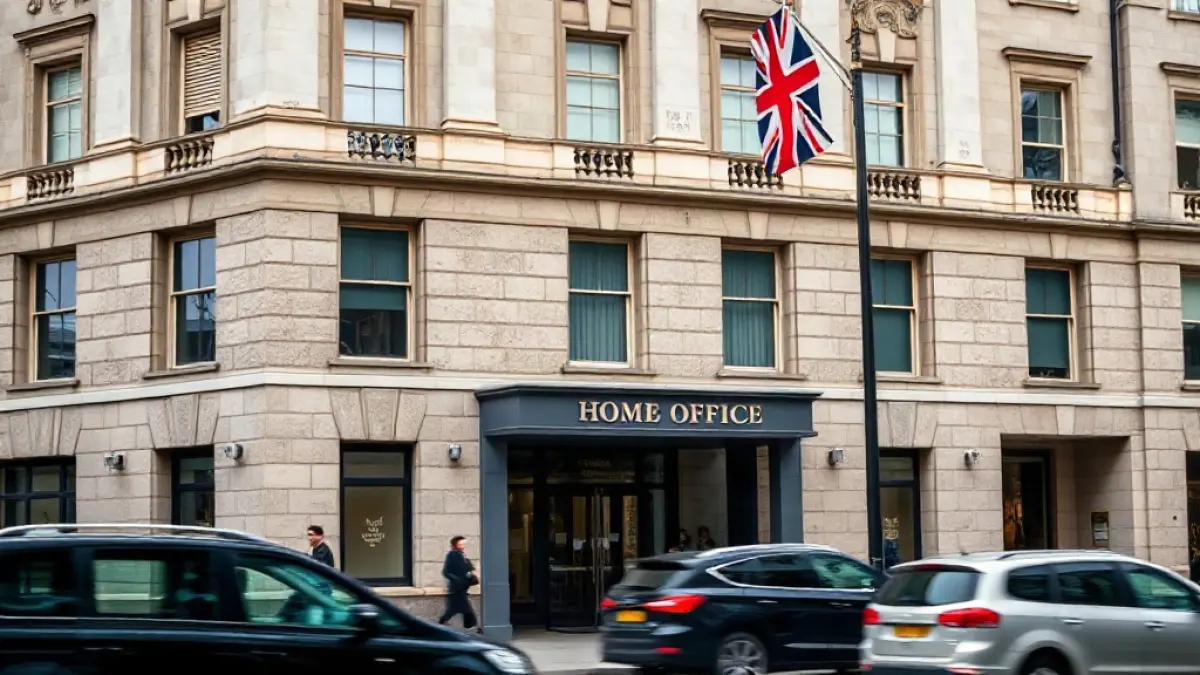
The UK government has confirmed that convictions linked to Hong Kong's 2019 protests should generally not prevent otherwise eligible applicants from using the British National (Overseas) (BN(O)) visa scheme. The move follows reports that several convicted protesters had their applications rejected.
Key facts
- Announced: in a letter on Wednesday from Home Secretary Shabana Mahmood to Alex Sobel, chairman of the UK Parliament's Joint Committee on Human Rights
- Who it affects: BN(O) visa applicants with convictions linked to Hong Kong's 2019 protests
- What changes: a "presumption in favour" of ensuring such convictions do not block otherwise eligible applicants
- Route for refused applicants: automatic consideration by ministers for "leave outside the immigration rules"
- Scale of the scheme: more than 187,000 BN(O) visas issued since it opened in 2021
What is changing?
Applicants who fail the scheme's standard suitability requirements because of their participation in the 2019 protests will automatically be considered by ministers for "leave outside the immigration rules", Mahmood said. The Home Office is setting up a formal process, supported by published guidance, so that such cases can be identified and considered consistently.
Mahmood described the change as a targeted measure reflecting Hong Kong's particular circumstances, and said it did not alter the government's broader approach to criminality in the immigration system. The government will continue to reserve the right to refuse an application where it believes criminal behaviour is serious enough to preclude admission to the United Kingdom.
Who is affected?
The change concerns people applying under the BN(O) visa scheme whose only barrier to meeting the suitability requirements is a conviction connected to Hong Kong's 2019 protests. Mahmood said the government recognises that many of those involved in the protests are among the individuals the route was intended to support.
What are the current refusal rules?
Under existing Home Office rules, a conviction that results in a prison sentence of 12 months or more — including a suspended sentence — generally triggers mandatory refusal of entry or settlement.
Why is this happening?
The announcement followed a September report by the British newspaper Metro, which cited lawyers as saying that at least 12 Hongkongers convicted over the 2019 protests had been refused visas under the scheme since Andy Burnham became prime minister in July.
Britain introduced the visa scheme for Hongkongers after the enactment of the city's national security law in 2020. More than 187,000 people have been issued BN(O) visas since the scheme opened in 2021.
What this means for travellers
BN(O) applicants with protest-related convictions can expect their cases to be referred to ministers for consideration outside the normal immigration rules, rather than being refused automatically under the standard suitability test. The Home Office says it will publish guidance setting out how such cases are identified and assessed.
No start date for the new process has been announced. The Home Office has not said how long ministerial consideration of individual cases will take.
Also about:  Hong Kong