
 United StatesEntry rules
US adds JFK to Ebola screening hubs and bars some Central Africa visitors
Non-US citizens who visited the Democratic Republic of the Congo, Uganda or South Sudan in the past 21 days are temporarily barred from US entry. Arrivals from those countries are screened for Ebola at four designated airports, with JFK newly added.
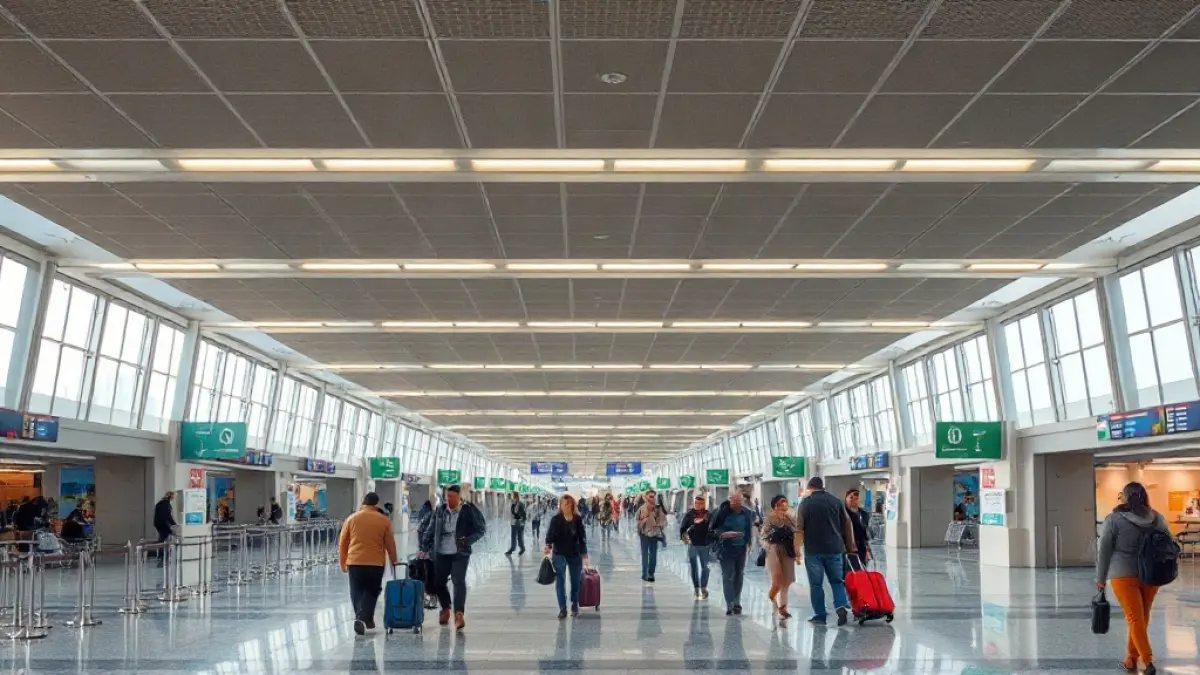
The United States is expanding airport screening for Ebola after the Centers for Disease Control and Prevention (CDC) issued an "urgent request" to its own staff to volunteer for checks on passengers arriving from Central Africa. On Tuesday, the Department of Homeland Security added New York's JFK International Airport to the list of designated airports for arrivals linked to the outbreak in the Democratic Republic of the Congo (DRC) and neighbouring Uganda.
Key facts
- Non-US citizens who visited the DRC, Uganda or South Sudan in the previous 21 days are temporarily barred from entering the US.
- Lawful permanent residents (green card holders) who have been in any of the three countries in the last 21 days are also temporarily barred.
- Travellers entering the US from these countries must arrive at a designated airport: JFK, Dulles outside Washington DC, Hartsfield-Jackson Atlanta and George Bush Intercontinental in Houston.
- US passport holders and US nationals returning from the three countries are routed to Dulles for symptom screening and an interview about possible exposure.
- The outbreak has reported over 900 suspected cases and at least 223 deaths across the DRC and Uganda.
What are the US entry restrictions?
The CDC last week temporarily barred entry of non-US citizen travellers who had previously visited the Democratic Republic of the Congo, Uganda or South Sudan within the last 21 days. Lawful permanent residents who have been in any of those three countries during the same 21-day period are temporarily barred as well.
Travellers who are entering the US from the affected countries must travel to a designated airport. US passport holders and US nationals returning from those countries will be sent to Dulles International Airport in Virginia, where they will be screened for symptoms and interviewed about possible exposure.
Which airports are designated, and what happens there?
The designated airports are Dulles International outside Washington, DC; Hartsfield-Jackson Atlanta International Airport; George Bush Intercontinental Airport in Houston; and, as of Tuesday, New York's JFK International Airport.
Enhanced screening began at Hartsfield-Jackson Atlanta on Saturday morning, while efforts at George Bush Intercontinental in Houston were due to begin late Tuesday. The CDC is recruiting its own staff across job series and pay grades to staff these airports, including public health advisors, emergency management specialists and licensed medical providers. Those staff will observe passengers for signs of illness, check temperatures for fever and refer any ill passengers for further assessment.
Why is this happening?
The International Rescue Committee (IRC) warned on Tuesday that the outbreak in the DRC and Uganda is spreading faster than responders can contain it and risks becoming the deadliest on record without urgent international action. The aid organisation said cases and contacts have spread beyond remote areas of the DRC's Ituri province into larger hubs, including the city of Goma and Uganda's capital, Kampala.
The IRC said the outbreak involves the Bundibugyo strain, which standard Ebola tests struggle to detect and which may have spread undetected for weeks or months. According to the World Health Organization (WHO), case fatality rates in previous Bundibugyo outbreaks ranged from 30% to 50%, and there are no approved vaccines or treatments for this strain. WHO Director-General Dr Tedros Adhanom Ghebreyesus said the outbreak "will get worse before it gets better".
Tedros classified the outbreak as a public health emergency of international concern last week. WHO assesses the national risk as very high, the regional risk as high and the global risk as low. The US, India, the UK and Australia are among the countries that have put travel restrictions in place.
What this means for travellers
Anyone who has been in the DRC, Uganda or South Sudan in the past 21 days should check whether they are affected by the US entry bar before booking or travelling. Travellers heading to the US from those countries should expect to be routed to one of the four designated airports, and returning US citizens and nationals should expect symptom screening and an interview at Dulles.
No end date for the temporary entry bar or the screening measures has been announced. The outbreak numbers cited — more than 900 suspected cases and at least 223 deaths across the DRC and Uganda — were reported by the IRC as of Tuesday.
Also about:  DR Congo
 Uganda
 South Sudan
 India
 United Kingdom
 Australia