
 United StatesVisas
US cuts foreign journalist visas to 240 days and steps up revocations
The US has shortened visas for foreign journalists working in the country to 240 days, down from five years, and the State Department says it has revoked more than 175,000 visas since President Trump took office. Foreign media workers also face increased social media vetting.
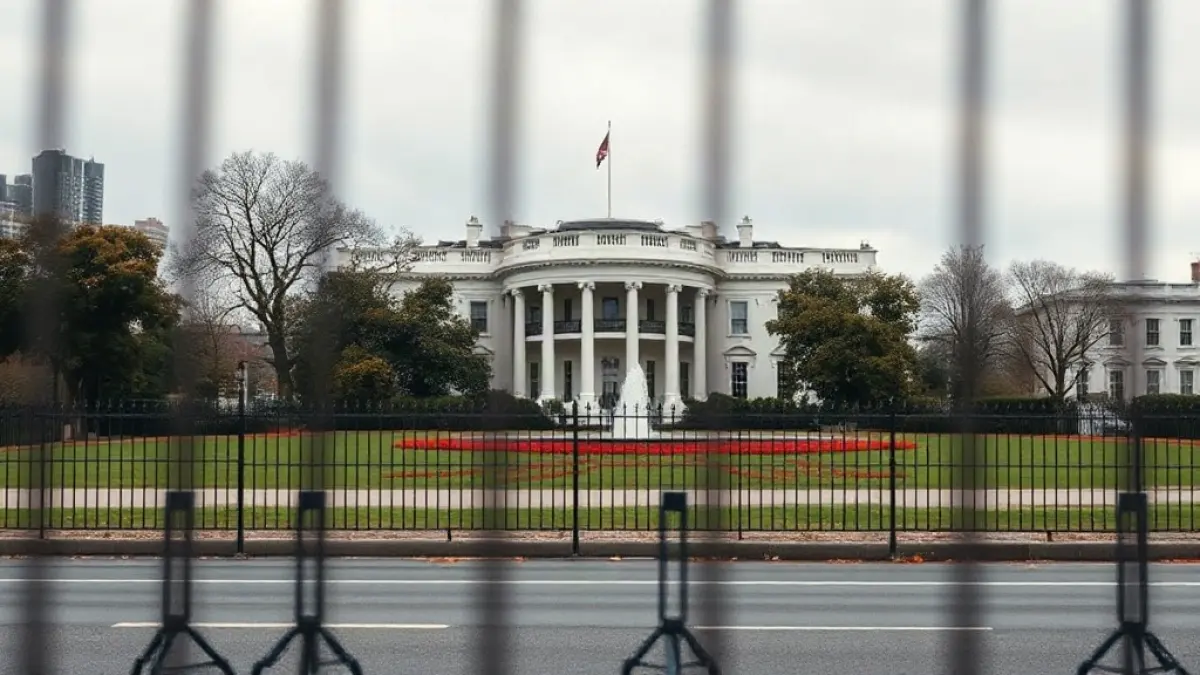
Foreign journalists working in the United States now face much shorter visa validity and tougher vetting, according to announcements by the US Department of Homeland Security and the Department of State. The changes add uncertainty for non-American media workers travelling to report on the country, including those covering the upcoming midterm elections.
Key facts
- Visas for foreign journalists working in the US have been cut to 240 days, down from five years, the Department of Homeland Security announced in July.
- The State Department said in August that more than 175,000 visas held by foreign nationals have been revoked since President Donald Trump took office.
- Most of those revocations were for criminal behaviour or for overstaying.
- Foreign media representatives face increased social media vetting by the Department of State.
- In March 2025, secretary of state Marco Rubio launched an AI-powered "Catch and Revoke" effort to scrape social media and news reports.
What is changing for foreign journalists?
The Department of Homeland Security announced strict new visa periods for cultural exchange programmes in July, and reduced visas for foreign journalists working in the US to 240 days, down from five years. Foreign media representatives also face increased social media vetting by the Department of State.
Why are visas being revoked?
The State Department said in August that the administration has revoked more than 175,000 visas held by foreign nationals on various grounds since President Trump took office, mostly for criminal behaviour or for overstaying. In March 2025, secretary of state Marco Rubio launched an AI-powered "Catch and Revoke" effort to scrape social media and news reports and cancel the visas of foreign nationals who appear to support Hamas or other designated terror groups.
James Harkin, director of the Centre for Investigative Journalism, wrote that he was served email notice that his visa had been revoked "based on information that became available after the visa was issued", shortly after publishing an article in the British Journalism Review. He said he had previously been banned from the US under Trump's first administration, a ban he assumed followed his deportation from Turkey for his Syria journalism, and which was overturned after he wrote an opinion piece for the New York Times.
What else is happening to press access?
In September, Trump barred three major news outlets from the White House. That ban, like his restriction on the visas of foreign journalists, was stayed by federal courts, but the White House is now challenging that stay.
What this means for travellers
Non-American journalists planning to work in the US should note the shorter 240-day visa period and the increased social media vetting described by the Department of State. Anyone who has had a visa revoked would need to address that before travelling.
No further changes have been announced. The article notes that the US midterm elections are approaching and questions how they will be covered by the foreign press.
Also about:  United Kingdom
 Türkiye
 Syria