
 United StatesVisas
US immigrant visas halve in early 2026; Equatorial Guinea among banned states
The US Department of State issued 26,000 immigrant visas in February 2026, about half the pre-Trump monthly average. Nationals of 39 countries, including Equatorial Guinea, are now barred from receiving visas or entering the US.
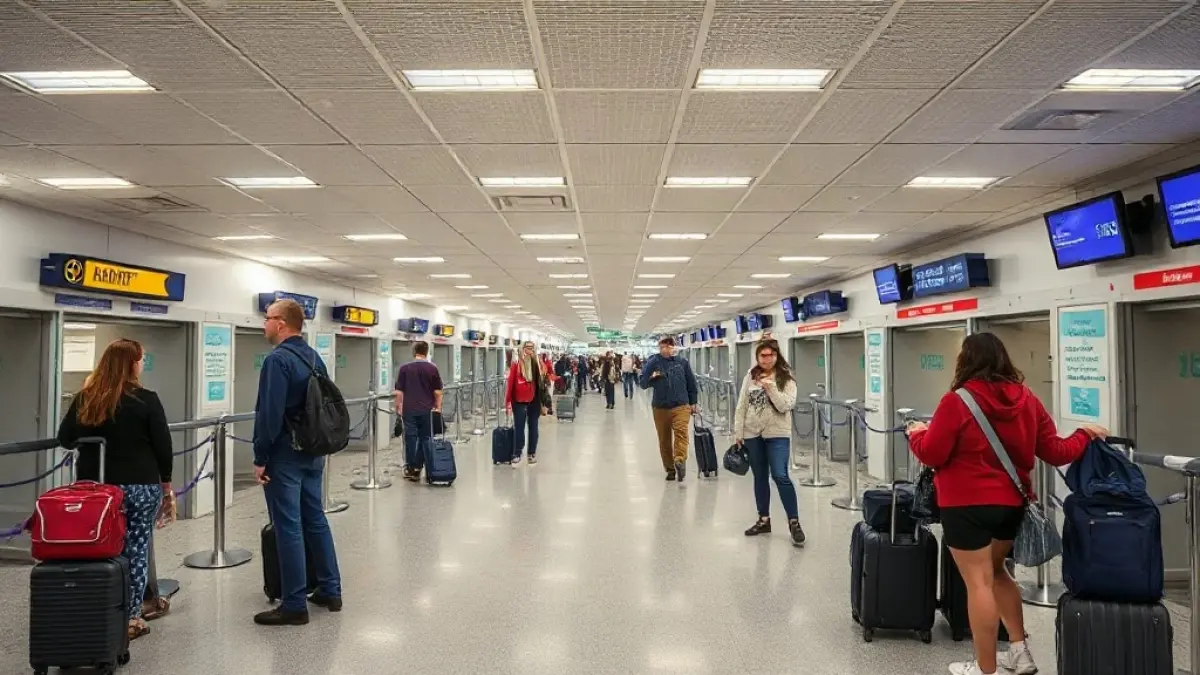
Legal immigration to the United States has fallen to roughly half its previous level in early 2026, as the Donald Trump administration's restrictive immigration policies have taken effect. The US Department of State issued 26,000 immigrant visas in February, compared with a monthly average of 52,000 before Trump took office.
Key facts
- 26,000 immigrant visas issued in February 2026, against a pre-Trump monthly average of 52,000
- South Korean immigrant visa issuances down 19 percent, from 420 a month in 2023–2024 to 340 in February
- Student and worker visas down 30 percent year on year; tourism and business visas down 25 percent
- Nationals of 39 countries barred from receiving US visas or entering the country
- The lottery system for H-1B skilled worker visas has been abolished
How far have visa issuances fallen?
Central Asia recorded the sharpest decline, with legal immigrant visa issuances down 99 percent. Africa fell 89 percent, Eastern Europe 84 percent, the Middle East 81 percent, and Australia and Oceania 73 percent.
By country, South Korea saw new immigrant visa issuances drop 19 percent, from a monthly average of 420 in 2023–2024 to 340 in February. China was down 31 percent, Japan 25 percent and India 16 percent. Immigration from 91 countries has become effectively impossible, with Muslim-majority nations particularly hard hit at more than 90 percent.
Not every country has seen a decline. Canada and Mexico, which were not subject to visa restrictions, recorded increases of 142 percent and 17 percent respectively. The Philippines, the United Kingdom, Turkey and Spain also saw rises.
Which countries are barred from entry?
The Trump administration designated 12 countries as entry-banned late last year: Iran, Yemen, Afghanistan, Myanmar, Chad, the Republic of Congo, Equatorial Guinea, Eritrea, Haiti, Libya, Somalia and Sudan. It has since barred nationals of 39 countries in total from receiving visas or entering the United States.
What about student and work visas?
Nonimmigrant visas are also declining. Student and worker visas fell 30 percent compared with last year, while tourism and business visas dropped 25 percent.
India and China were not formally designated as entry-banned countries, but new regulations and newly imposed fees have driven a sharp drop in student and work visa issuances from both countries. The administration has also abolished the previous lottery system for H-1B skilled worker visas.
What this means for travellers
Travellers and would-be immigrants should check whether their nationality is covered by the entry bans before making plans, and expect longer or less certain visa processing than in previous years. Nationals of the 12 designated countries, including Equatorial Guinea, cannot receive US visas or enter the country under the current rules.
The restrictions have also separated families. Daniel Brackins, a US citizen, said his wife's legal immigration process was denied at the final stage under the new policy and that his son was born in Kazakhstan as a result. Willian Nelson Hernandez Morales, who had been living in New Jersey with his wife and four children, has been unable to return to the US since January after his permanent residency process stalled while he was in Guatemala.
Why is this happening?
The Cato Institute, a libertarian-leaning think tank, said the scale of the reduction in legal immigration is the largest since the Herbert Hoover administration (1929–1933) during the Great Depression, excluding the COVID-19 pandemic period.
No further changes to the visa rules, fees or country lists have been announced in the information available here.
Also about:  Equatorial Guinea
 South Korea
 China
 Japan
 India
 Canada
 Mexico