
 United StatesVisas
US religious-worker denials tied to Palestine protests may complicate travel to Israel
A Hasidic religious worker detained in New York since August 2026 faces deportation to Israel after USCIS refused to extend his religious worker status, citing a 2023 pro-Palestine protest. Charges from that protest were later dropped.
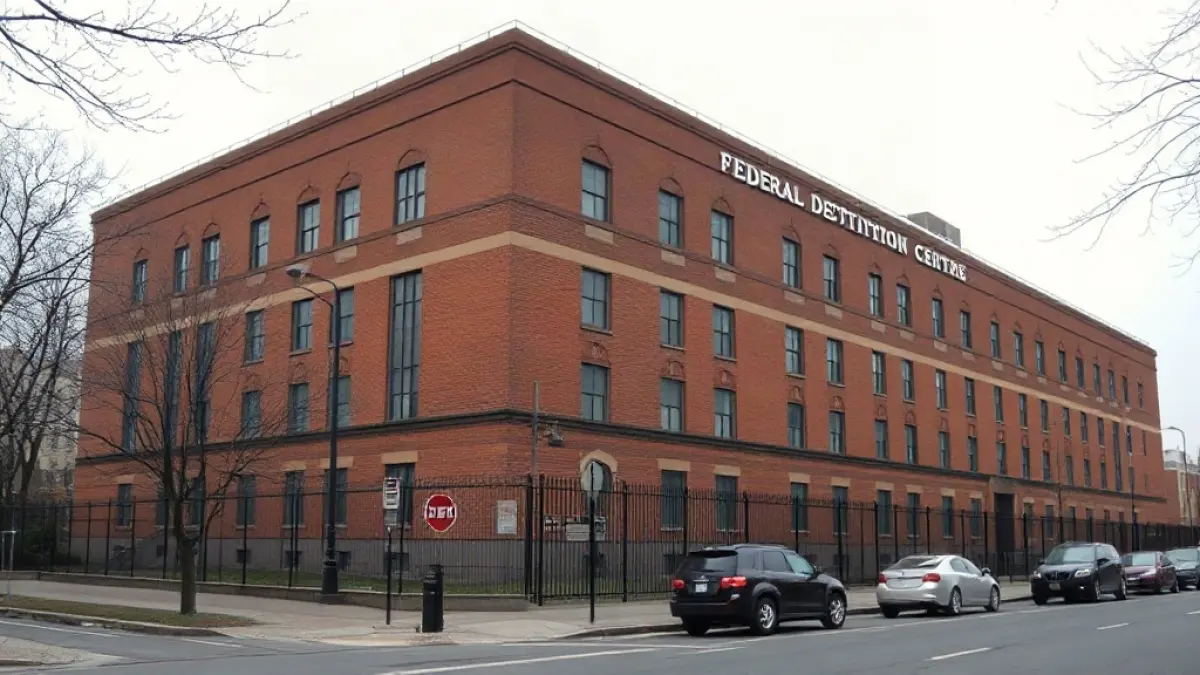
Yehonatan Ovadia, a 35-year-old Hasidic religious worker, is being held at the Metropolitan Detention Center in New York City and faces possible deportation to Israel after US authorities refused to extend his religious worker status. US Immigration and Customs Enforcement (ICE) arrested him in August, according to a Department of Homeland Security (DHS) spokesperson.
Key facts
- Who: Yehonatan Ovadia, 35, a Hasidic religious worker in the US on a temporary religious worker visa from Israel.
- Current status: detained at the Metropolitan Detention Center in New York City since August 2026 and facing potential deportation to Israel.
- Visa timeline: arrived in 2022, re-entered the US in April 2024; that visa expired in November 2025.
- Extension refused: USCIS first approved renewal through 2028, then denied it days later as a matter of discretion.
- Reason given: USCIS told his lawyers the denial was linked to a 2023 pro-Palestine protest he joined.
- Criminal case: prosecutors dropped the charges brought over the November 2023 demonstration.
Why is he facing deportation?
DHS said Ovadia re-entered the United States in April 2024 on a visa that later expired in November 2025. His lawyers say his congregation applied to renew his worker classification and that US Citizenship and Immigration Services (USCIS) initially approved it through 2028 — then, days later, denied the extension as a matter of discretion.
According to his lawyers, USCIS told them the extension was denied because of a 2023 pro-Palestine protest that Ovadia attended. They say an immigration judge found he poses no danger to the public, and they describe his detention as unlawful.
What was he charged with?
Community members, speaking on condition of anonymity, said Ovadia was charged after pro-Palestine demonstrations in Ramapo, New York, in November 2023 at which an Israeli flag was torn down. The charges were criminal mischief as a hate crime, petty larceny as a hate crime, conspiracy as a hate crime and disorderly conduct.
Ovadia admitted taking part in the protest and driving participants to the site, but denied tearing down the flag, and prosecutors eventually dropped the charges. His lawyers maintain he has no criminal convictions and argue that the flag at the centre of the case “was likely hung unlawfully”.
What do US authorities say?
A DHS spokesperson told Middle East Eye that ICE arrested Ovadia in August and that the Trump administration “acted well within its statutory and constitutional authority” in its handling of the case. Ovadia's lawyers dispute this, arguing that a peaceful protest has been treated as a crime to punish speech.
What this means for travellers
The case shows that a US religious worker classification can be refused at the extension stage even after an initial approval, and that USCIS may weigh discretionary factors such as protest activity. Anyone relying on a temporary religious worker visa may therefore want to confirm the status of an extension before an existing visa expires.
Court documents reviewed by Middle East Eye and dated 1 October record that Ovadia said he lost at least 25 pounds in detention and that some religious accommodation requests were not granted, including access to the correct prayer books during Yom Kippur and a proper place to pray. No hearing date or timeline for the deportation proceedings has been announced.
Also about:  Israel