
 United StatesVisas
US tightens visa rules for some South Africans amid growing trade and diplomatic rift
The United States imposed visa restrictions in mid-September on South Africans accused of promoting race-based discrimination or land confiscation. Tensions also put South Africa's duty-free US trade access in doubt, with a decision still awaiting the US president.
The United States has imposed visa restrictions on some South Africans, part of a widening diplomatic dispute that also puts South Africa's duty-free access to the US market at risk. President Cyril Ramaphosa has told citizens to prepare for the possible loss of that trade access, which he said would be devastating for the country.
Key facts
- Washington imposed the visa restrictions in mid-September, targeting South Africans accused of promoting race-based discrimination or land confiscation.
- The US Congress has voted to keep South Africa in the African Growth and Opportunity Act (AGOA) through 2028, but final confirmation requires executive action from President Donald Trump.
- The US set up a resettlement initiative that admitted 16,287 South Africans claiming persecution over the preceding year.
- According to automobile manufacturing body Naamsa, roughly 86,000 direct manufacturing jobs and an estimated 125,000 total positions rely on the trade agreement.
What has changed for travellers?
In mid-September Washington tightened its visa policy towards South Africa, imposing restrictions on South Africans accused of promoting race-based discrimination or land confiscation. The source does not give a precise date, a list of those affected, the type or length of visa concerned, or how decisions are made.
Who is affected?
The measures are directed at South Africans accused of the conduct described above, rather than at all South African travellers. No further details on the categories of applicant covered have been announced in the material available.
What else has the United States done?
The US also established a resettlement initiative that admitted 16,287 South Africans claiming persecution over the preceding year. The source does not explain how that programme works or how people apply.
Why is this happening?
Diplomatic friction has intensified over disputed claims regarding land reform and allegations of racial discrimination, which South African officials reject. The dispute has spilled over into trade: although Congress voted to keep South Africa in AGOA through 2028, Ramaphosa said the decision now rests with the executive.
Ramaphosa said: "Congress has decided that we should be kept in AGOA. What now remains is the executive." He added that South Africa would not be the first country removed from the pact, nor the last.
What this means for travellers
South African travellers should be aware that US visa policy towards some South Africans has tightened since mid-September, though the source gives no detail on which applications are affected. Anyone applying for a US visa should check the current requirements for their own circumstances before making travel plans.
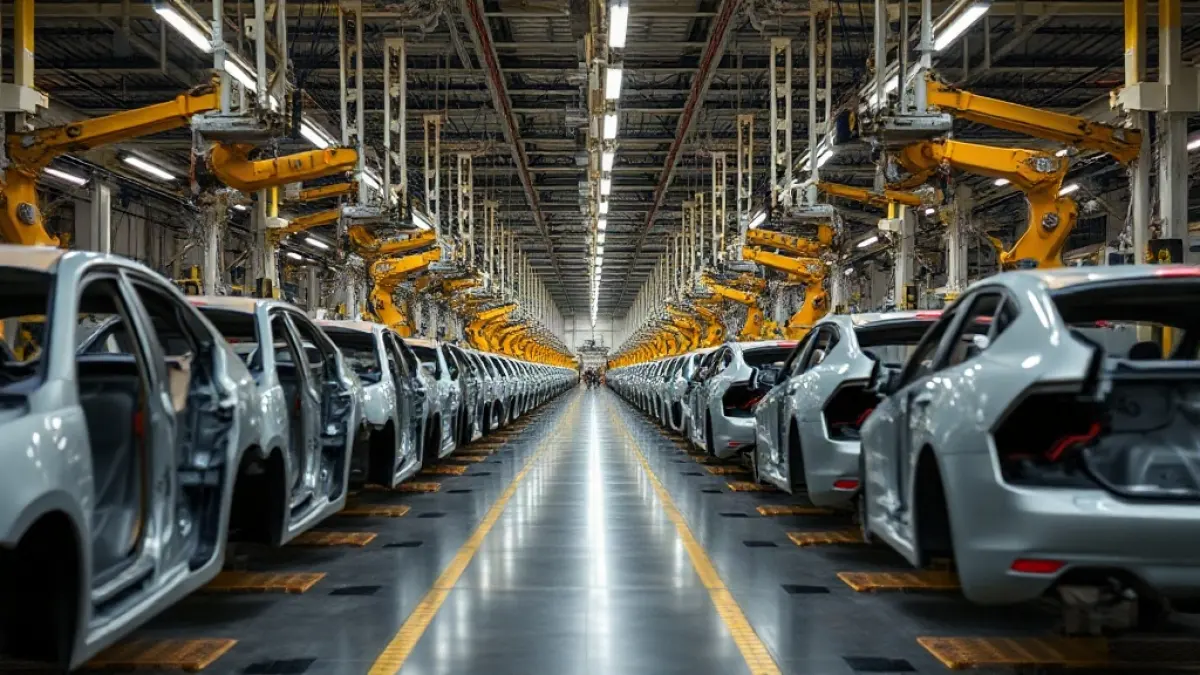
Separately, losing AGOA access would hit South Africa's economy hard, particularly automotive manufacturing: vehicles are South Africa's second-largest export earner to the United States after precious metals. South African officials are actively seeking alternative international export destinations, and Ramaphosa urged national resilience while preparing the country for the possibility.
Also about:  South Africa