
 United StatesVisas
US Visa Issuance Halves; Yemen Among 39 Countries Facing Full Ban
US restrictions have cut legal immigration visa issuance worldwide by about half, with Yemen among 39 countries facing a total ban on visa issuance and entry since January. Student, work and tourist visas have also fallen sharply.
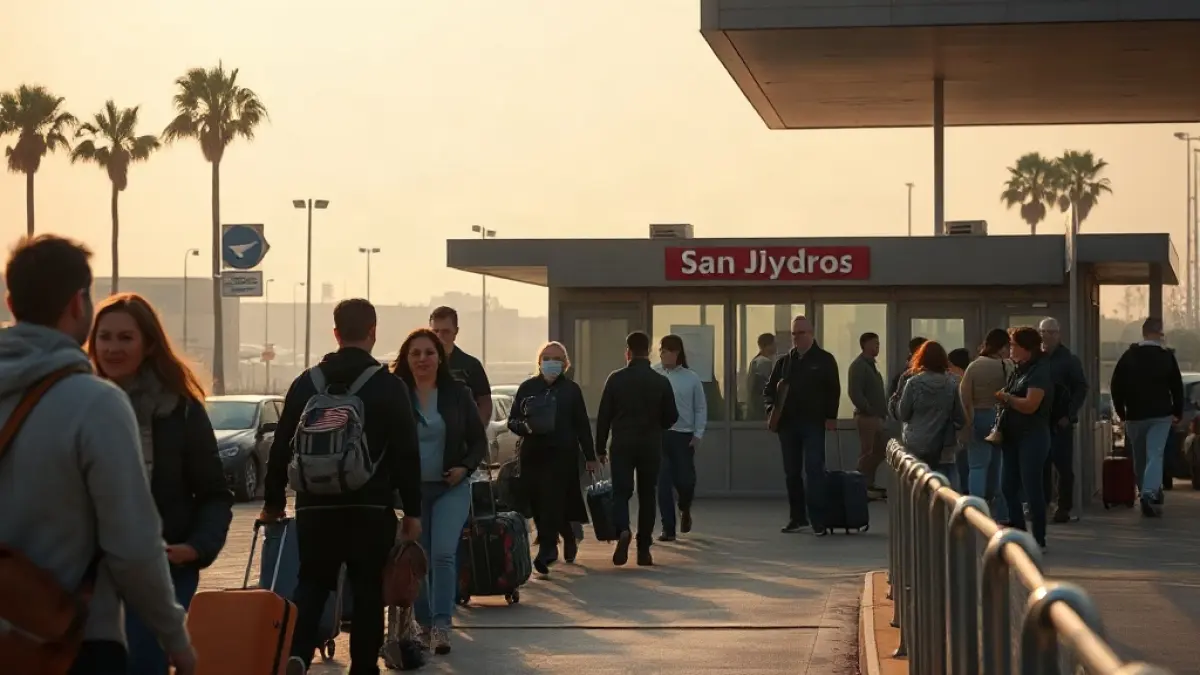
Legal routes into the United States have narrowed sharply under the visa restrictions introduced by President Donald Trump, with the U.S. State Department issuing only 26,000 immigration visas for green cards in February — half the monthly average of 52,000 recorded in 2023–2024. Yemen is one of 39 countries whose nationals face a total ban on visa issuance and entry.
Key facts
- 26,000 green card immigration visas issued in February, against a 2023–2024 monthly average of 52,000
- Full ban on visa issuance and entry for nationals of 39 countries, including Iran, Yemen and Sudan, from January
- Temporary suspension of visa issuance for a further 52 countries — 91 countries in total effectively blocked
- Diversity Visa lottery programme suspended in December
- Student and worker visas down 30% year on year as of February; short-term B1/B2 tourist and business visas down about 25%
- New immigration visas to Koreans down 19%, from 420 a month to 340 in February
Which countries are affected?
Starting in January, the United States imposed a total ban on visa issuance and entry for nationals of 39 countries, including Iran, Yemen and Sudan. With visa issuance also temporarily suspended for 52 more countries, the route to U.S. immigration was effectively closed across 91 countries altogether.
A further 61 countries saw their visa allotments reduced. Immigration from Muslim-majority countries fell by more than 90%, with the steepest declines in Central Asia (-99%), Africa (-89%), Eastern Europe (-84%) and the Middle East (-81%). In December last year, the United States also suspended the Diversity Visa programme, which allocated green cards by lottery to people from countries with low immigration numbers.
What is changing for other travellers?
The restrictions extend beyond immigration visas. As of February, student and worker visa issuance was down 30% from a year earlier, while short-term tourist and business visas (B1/B2) had dropped by about 25%.
The H-1B professional work visa replaced its previous random lottery with tougher new rules and fees, sharply cutting issuances even in countries not subject to entry bans, such as India and China. Only seasonal agricultural worker and exchange visitor visas stayed near usual levels; visas for lodging and tourism workers also declined.
How do the numbers look by nationality?
New immigration visas issued to Koreans fell 19%, from a monthly average of 420 in 2023–2024 to 340 in February. Other major Asian countries dropped across the board: China (-31%), Japan (-25%) and India (-16%).
Canada (142%) and Mexico (17%), which were spared from the restrictions, saw issuances rise and together accounted for about 30% of all immigration visas.
What this means for travellers
Travellers and applicants from the 39 listed countries, including Yemen, should expect no U.S. visa issuance or entry under these measures, and those from the 52 countries with suspended issuance face the same practical barrier. Applicants elsewhere should allow for reduced allotments and, for H-1B visas, new rules and fees in place of the previous lottery. Families with cases in progress have reported disruption: Daniel Brackins, a U.S. citizen in Los Angeles, said his wife from Kazakhstan was denied a visa at the final stage of legal immigration.
What happens next?
In late August, U.S. federal courts blocked, in two lawsuits, visa suspension measures that had not received congressional approval and ordered issuances to resume. Experts said most people still in the queue appeared to remain stuck. The Trump administration has also been scaling back refugee programmes and blocking border asylum applications, alongside large-scale deportation operations.
 Yemen
 Iran
 Sudan
 South Korea
 China
 Japan
 India