
Boeing · B733 · IATA 733
Boeing 737-300 specs, size & range
The Boeing 737-300 (ICAO code B733, IATA 733) is a landplane with 2 jet engines in the medium wake-turbulence category. It is 33.4 m long, a 28.9 m wingspan, a maximum take-off weight of 63,276 kg and a range of 4,176 km.
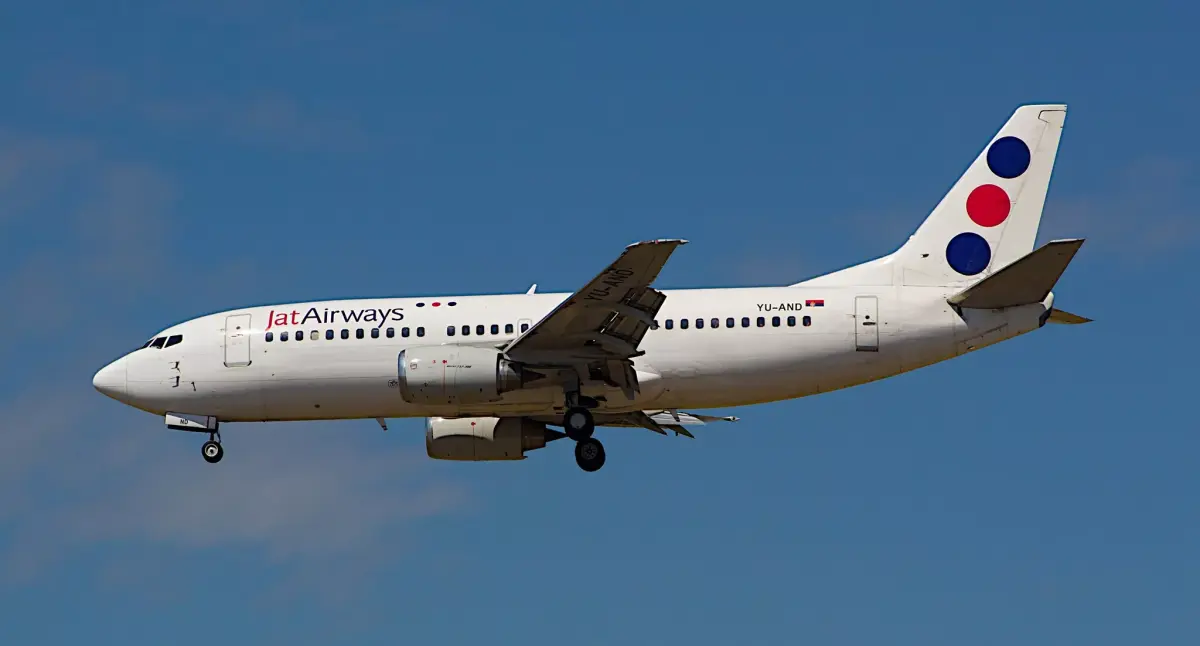
737-300 specifications
- Fuselage width
- 3.76 m
- Fuselage height
- 4.01 m
- Max landing weight
- 52,888 kg (116,598 lb)
- Max zero-fuel weight
- 49,713 kg
- Max ramp weight
- 63,502 kg
Models & engines
| Model | Engines | Certified |
|---|---|---|
| 737-300 | CFM International CFM56-3B1 / CFM56-3B2 / CFM56-3C1 | 14 Nov 1984 |
The Boeing 737-300 is a landplane with 2 jet engines built by Boeing. Air-traffic control and flight-tracking sites identify it by the ICAO type code B733, while airline timetables and booking sites use the IATA code 733. It belongs to the medium wake-turbulence category.
737-300 size and dimensions
The 737-300 is 33.40 m (109.6 ft) long, has a wingspan of 28.88 m and stands 11.13 m tall. That makes it the #53 longest of 67 airliners & big jets in our database — longer than 21% of them. Its fuselage is 3.76 m wide, the width of a single-aisle cabin with six seats per row. With 91.0 m² of wing, the wing loading at maximum weight is about 695 kg/m².
737-300 weight and fuel
The maximum take-off weight is 63,276 kg (139,500 lb) and it may land at up to 52,888 kg — 84% of take-off weight, so after a short flight it has to burn off fuel before landing at full weight. Among airliners & big jets it ranks #53 of 69 by weight. Without fuel it may weigh at most 49,713 kg, leaving up to 13,563 kg for fuel at maximum take-off weight. The tanks hold 20,100 litres (5,310 US gallons), about 16.1 tonnes of jet fuel.
737-300 speed and range
It cruises at about 796 km/h (430 knots), faster than 11% of airliners & big jets. Its range of 4,176 km (2,255 nm) is enough to fly non-stop from London to Moscow (3,460 km) — about 5.2 hours at cruise speed. On final approach it flies at around 135 knots (250 km/h), ICAO approach category C. Its ceiling is 37,000 ft (11,278 m).
737-300 models and engines
Our database lists 1 certified model of the 737-300: 737-300. The first was certified in November 1984. Engines come from CFM International.
Aircraft similar to the 737-300
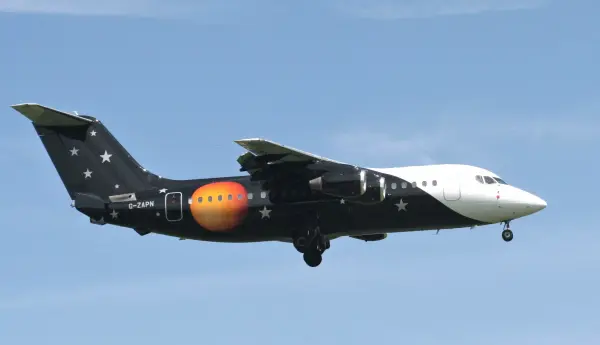
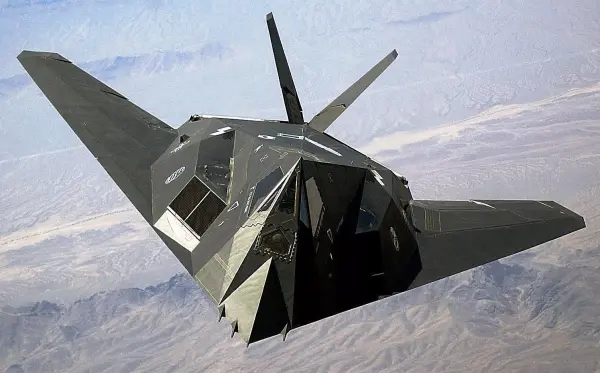
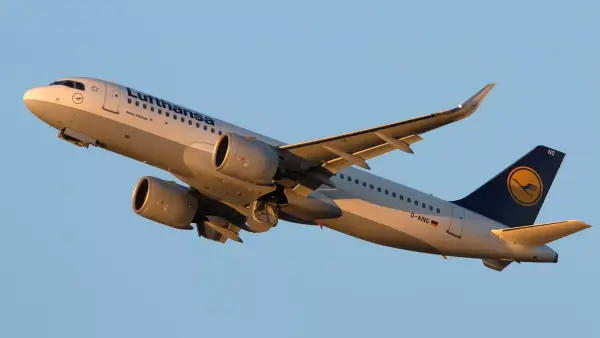
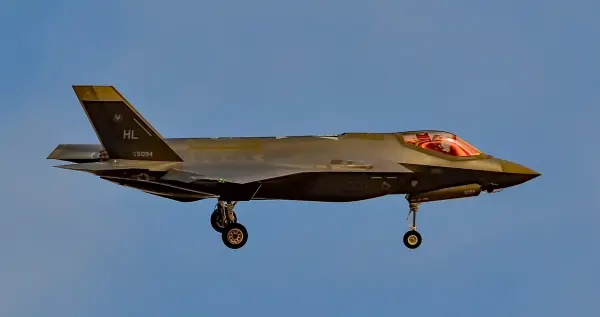
Comparable airliners & big jets include British Aerospace BAe 146-200, Lockheed F-117 Nighthawk, Airbus A320neo and Lockheed Martin F-35A Lightning II.
Frequently asked questions
What is the ICAO code of the Boeing 737-300?
How far can the Boeing 737-300 fly?
How fast is the Boeing 737-300?
How big is the Boeing 737-300?
Which engines does the Boeing 737-300 use?
Data: What is flying? database (ODbL 1.0). Live traffic: adsb.lol (ODbL). Photos under their Creative Commons licences, credited above.