
 AndorraEntry rules
Travellers to Andorra still face border checks despite EU single-market deal
Andorra has signed an EU association agreement giving it single-market access while staying outside the EU and Schengen. The deal still needs European Parliament consent and an Andorran referendum, potentially in January.
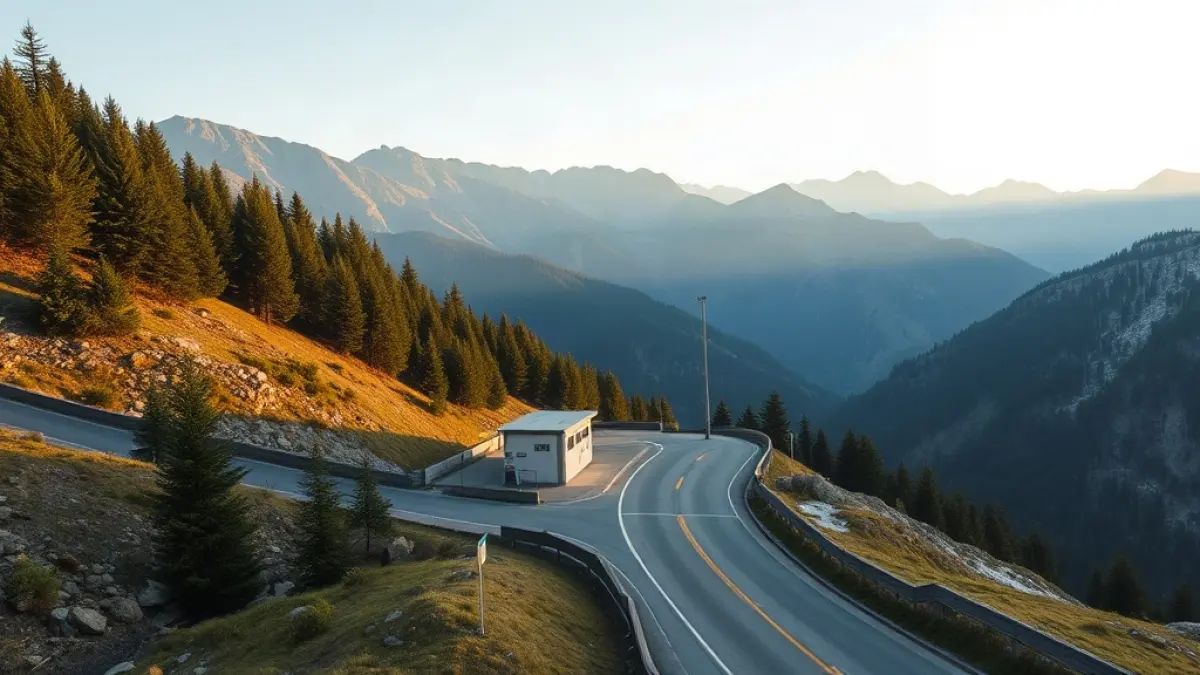
Andorra has formally signed an association agreement with the European Union that would open the EU single market to the principality while letting it stay outside the bloc and keep its own border controls. Andorran Prime Minister Xavier Espot and European Commissioner for Trade Maroš Šefčovič signed the deal in Brussels on Monday.
Key facts
- Signed: Monday, following negotiations launched in December 2014
- What it covers: free movement of goods, people, services and capital
- What it does not do: Andorra joins neither the EU nor the Schengen area
- Still to come: European Parliament consent, then a consultative referendum in Andorra, potentially in January
- Transition periods: 30 years for tobacco, 15 for financial services, seven for telecommunications
What changes for travellers and border crossings?
Andorra would gain access to the EU single market through the free movement of goods, people, services and capital, but it would not join the EU or the Schengen area. The agreement allows Andorra to retain border controls, and a separate arrangement will preserve the absence of border checks with France and Spain.
What happens to Andorrans in the EU?
Andorrans would gain the right to live, work, study, retire and set up businesses in EU countries under the same conditions as EU nationals. They would not be able to vote in European elections, and Andorra would not be required to contribute to the EU budget.
Mobile roaming charges are expected to be abolished after seven years, subject to minimum quality and coverage requirements. Sensitive sectors get long transition periods: 30 years for tobacco, 15 years for financial services and seven years for telecommunications.
What still has to happen?
The agreement needs the consent of the European Parliament, followed by a consultative referendum in Andorra that is expected after the parliament votes, potentially in January. If voters back the deal, Andorra's parliament must then approve it by a two-thirds majority before final ratification by the Council of the European Union.
The agreement also requires the consent of Andorra's co-princes: French President Emmanuel Macron and the Bishop of Urgell, Josep-Lluís Serrano Pentinat.
What this means for travellers
Nothing changes at the border yet. The deal has been signed but is not in force, and the checks currently carried out at Andorra's frontiers remain as they are while the approval steps are completed. Travellers planning trips should follow the outcome of the European Parliament vote and the referendum before assuming any change to entry or crossing arrangements.
An economic study cited by the Andorran government estimates the agreement could increase the Pyrenean microstate's GDP by 5% by 2050 under the most conservative scenario. The next milestone is the European Parliament's vote, after which the referendum is expected.
 France
 Spain