
 AustraliaVisas
Australia cannot process Afghan visas until biometrics are taken overseas
Australia's Department of Home Affairs says it cannot finalise a visa for anyone still inside Afghanistan who has not completed biometrics collection, and it cannot help them leave the country.
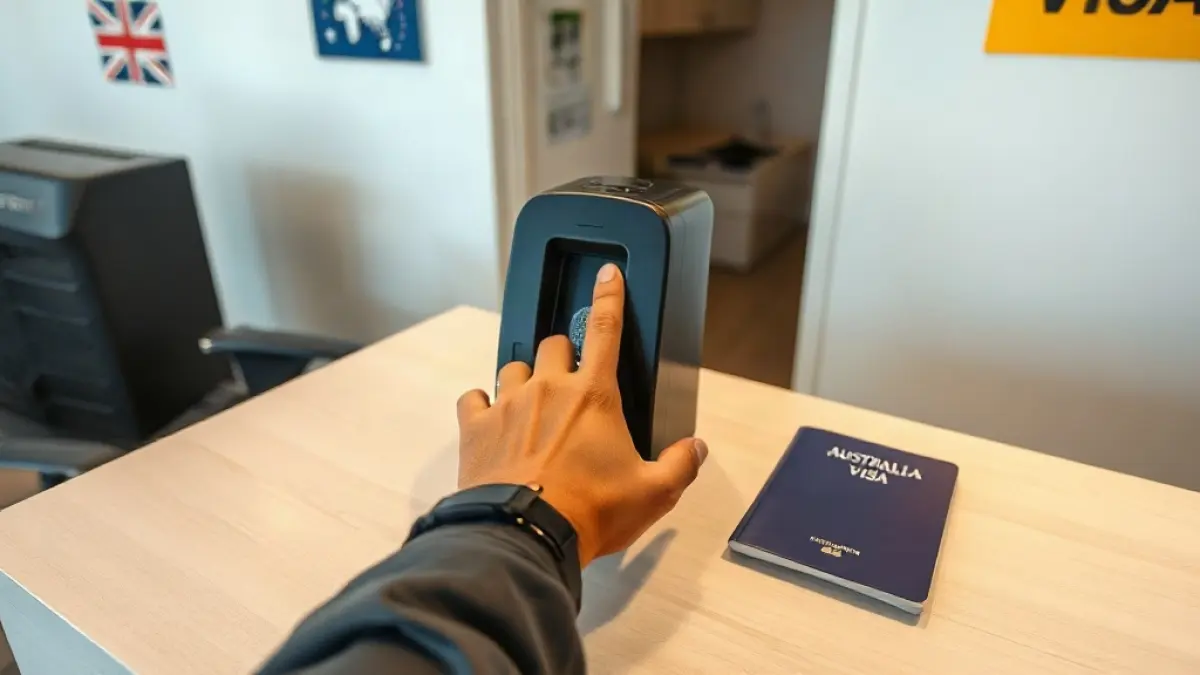
Australia's Department of Home Affairs has told Afghan visa applicants that applications cannot be processed while they remain inside Afghanistan without completed biometrics collection. The department also says the Australian Government cannot assist anyone's departure from the country.
Key facts
- Biometrics must be collected before a visa can be processed, and this cannot be done while the applicant is in Afghanistan.
- Applicants who can travel to another country to give biometrics should tell the department, which will send a letter enabling collection there.
- The Afghan Locally Engaged Employee program is covered by the same restriction.
- Processing times are lengthy and most Offshore Humanitarian Program applicants will not receive a visa.
- Visa operations in Iran have been affected since late February 2026 by regional conflict.
Why can't visas be processed inside Afghanistan?
The department states that if you live in Afghanistan, or have been deported there, and have not completed biometrics collection, it cannot process your visa while you remain in the country. The same applies under the Afghan Locally Engaged Employee program: a visa cannot be finalised while the applicant is in Afghanistan.
The Australian Government is also unable to assist anyone's departure from Afghanistan, leaving applicants without official help to leave and complete the step.
What if you can leave Afghanistan?
Applicants who are in Afghanistan but can travel to another country to provide biometrics are asked to tell the department. It will then issue a letter allowing biometrics collection at that location. Until biometrics are complete, the visa cannot be processed.
Home Affairs does not recommend that applicants cross borders that may put them or their family at risk, and says travellers should make their own decision about travel after considering all available information.
How long will it take, and who gets priority?
The department says applicants should expect lengthy processing times, and that visas are granted when applicants meet all requirements and in line with government priorities. Demand for the Offshore Humanitarian Program far exceeds the number of places available, and most applicants will not receive a visa.
Australia's resettlement program for Afghans focuses on Pakistan and Iran, with priority going to people outside Afghanistan in set groups. The highest priority group is certified former Locally Engaged Employees and their immediate family members.
A letter of support from a member of Parliament or a community member is not required to process an application and does not give higher priority or speed up a grant.
What about applicants in Pakistan and Iran?
For Afghans in Pakistan, the department points to the Pakistani Government's Illegal Foreigners Repatriation Plan, which requires people without a valid visa for Pakistan to leave or face deportation. It says Australia's ability to keep processing visas for Afghans there is limited and, in many cases, practically impossible.
In Iran, regional conflict has affected visa operations since late February 2026. Applicants have had difficulty attending medical clearance or biometrics appointments, internet outages have limited contact, and airspace closures and flight disruptions have made travel harder.
What this means for travellers
Anyone with an Afghan humanitarian or Locally Engaged Employee application who is still inside Afghanistan cannot have it finalised until biometrics are collected in another country. Those able to travel should tell the department so it can arrange collection, and should weigh the risks of border crossings themselves.
Partner visa applicants may also receive a system-generated request for biometrics after applying online, and the application cannot be finalised until those are collected.
Documents are another obstacle: the Embassy of the Islamic Republic of Afghanistan suspended operations in Australia on 30 June 2026 and cannot issue documents. Applicants who cannot obtain genuine Afghan Government documents for an application in progress are asked to use the department's Afghanistan contact form.
Home Affairs also warns that it does not charge a fee to fast-track a Humanitarian visa; anyone offered that service is being targeted by a scam. The department advises applicants to check its Afghanistan update page for the latest information before acting.
Also about:  Afghanistan
 Pakistan
 Iran