
 BelgiumTravel
Belgium Strikes Ground 140 Flights, With More Rail Disruption From 11 October
A national strike on 9 October cancelled around 140 flights at Brussels Airport and disrupted public transport in Brussels and Flanders. A public-sector strike on 12 October will bring rail disruption from 10 p.m. on 11 October.
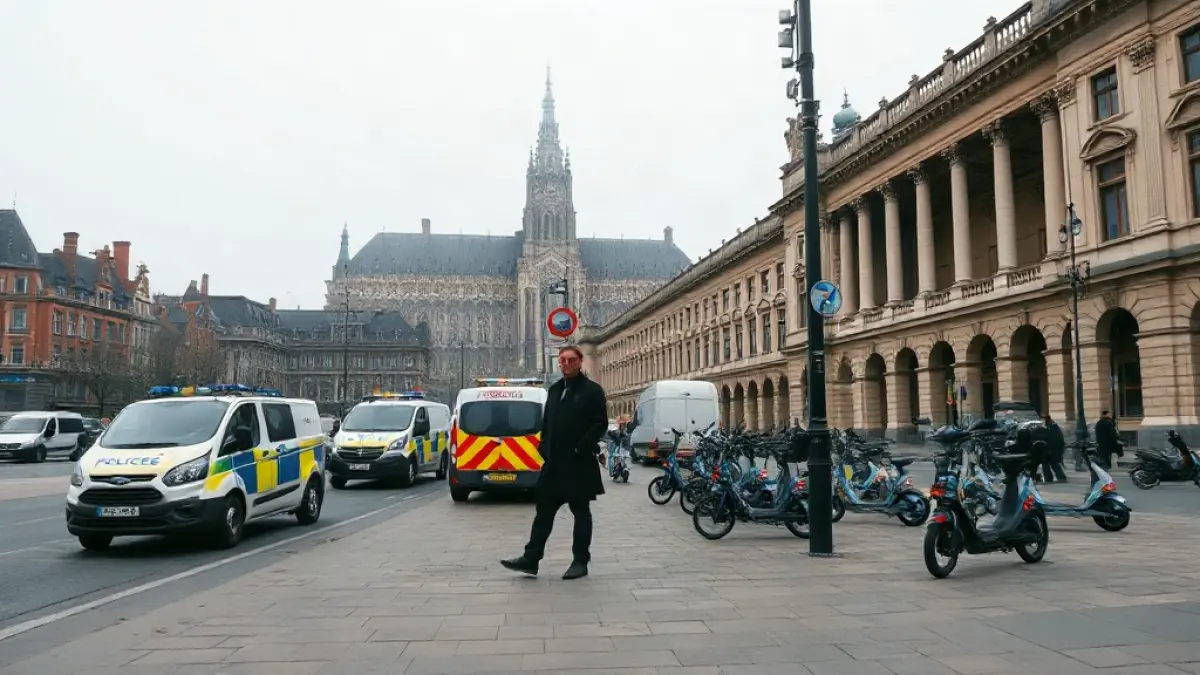
Belgium's fourth national demonstration of 2026 brought severe travel disruption on Friday 9 October, with around 140 flights cancelled at Brussels Airport and public transport across Brussels and Flanders badly affected. More disruption is expected within days: a public-sector strike is planned for Monday 12 October, with rail services set to be hit from Sunday evening.
Key facts
- 9 October 2026: around 140 flights cancelled at Brussels Airport during a national strike and demonstration in Brussels.
- Brussels Airlines cut roughly 40% of its Friday schedule; flights handled by ground handler Aviapartner were not directly affected.
- Public transport in Brussels and Flanders was severely disrupted on Friday.
- 11 October, 10 p.m.: rail disruption begins ahead of a public-sector strike on 12 October, running through the last trains on Monday night.
- Protesters are opposing government austerity measures, including a plan to find about €10 billion in savings by 2029.
What happened on 9 October?
Tens of thousands of people took to the streets of Brussels for the fourth major national demonstration of 2026 against Prime Minister Bart De Wever's austerity agenda, with high-school students joining workers. Union members marched peacefully from Brussels Central Station toward Brussels-Midi station, while a separate group of mostly young demonstrators gathered near the same starting point.
Masked protesters set fire to shared bicycles and electric scooters and threw rocks and firecrackers at police near Brussels Central Station. Riot officers responded with tear gas, water cannons and baton charges. The violent confrontation unfolded just blocks from the peaceful union march.
Which flights and transport services were affected?
Brussels Airport saw approximately 140 flights cancelled after employees of ground handler Alyzia, which provides services to 21 airlines at the airport, joined the national walkout. Brussels Airlines cut roughly 40% of its Friday schedule, and its parent company Lufthansa Group had already scrapped certain Brussels departures earlier in the week. Flights handled by the airport's other major ground handler, Aviapartner, were not directly affected.
Brussels public transport operator STIB/MIVB reported disruptions to its metro, tram and bus network. Flemish transit company De Lijn filed strike notices for both Friday and the Monday action, leaving its timetable severely curtailed on both days.
When is the next strike?
The socialist public-sector union ACOD/CGSP has filed a strike notice for Monday 12 October. Rail disruption is expected to begin on Sunday 11 October at 10 p.m. and run through the last trains on Monday night.
Why are people striking?
Belgium's coalition government has committed to finding approximately €10 billion ($11.5 billion) in savings by 2029, aimed at meeting European Commission spending benchmarks and bringing a structural deficit currently exceeding 5% of GDP under control. Measures in place or under negotiation include new taxes on capital gains from stocks and securities accounts, higher levies on airline tickets and natural gas, steps to discourage early retirement, and a cap on automatic wage indexation for employees earning above €4,000 per month.
Unions argue the burden falls disproportionately on working people. ACV/CSC Secretary-General Marie-Hélène Ska said that of the €23 billion in total government measures projected over the full legislative term, "more than two-thirds will come from workers." Student unrest has added to the pressure: university and college students are protesting a tuition hike in the Wallonia-Brussels Federation that raised annual enrolment fees from €835 to €1,194, while secondary school students have demonstrated over overcrowded classrooms, teacher shortages and difficulty accessing study materials. In Liège, authorities recorded 107 arrests between 1 and 7 October, with unrest including smashed storefronts and fires near Liège-Guillemins railway station. Belgian students have acknowledged direct contact with counterparts in France, where a school protest movement erupted in mid-September.
What this means for travellers
Travellers flying to, from or through Brussels on 11 and 12 October should check the status of their flight directly with their airline, as the 12 October strike is expected to affect rail services from Sunday evening. Rail passengers in Belgium should expect disruption from 10 p.m. on 11 October through the last trains on Monday night, and public transport timetables in Brussels and Flanders may again be curtailed. Anyone planning to be near demonstrations in central Brussels should be aware that clashes have occurred close to Brussels Central Station.
The government's budget negotiations continue against a deadline: De Wever is expected to address the Belgian parliament on Tuesday, with a budget agreement targeted by 13 October, two days before Belgium must submit its draft plan to the European Commission. ACV union president Ann Vermorgen has said that if the government is willing to genuinely listen and adjust its plans, no further action would be required.
Also about:  France