
 Costa RicaEntry rules
Costa Rica Wants Proof of Onward Travel Even Without a Visa
Travellers to Costa Rica must show a return or onward ticket, even though most Western visitors need no visa. Airlines may enforce the rule at check-in, before any Costa Rican official sees the traveller.
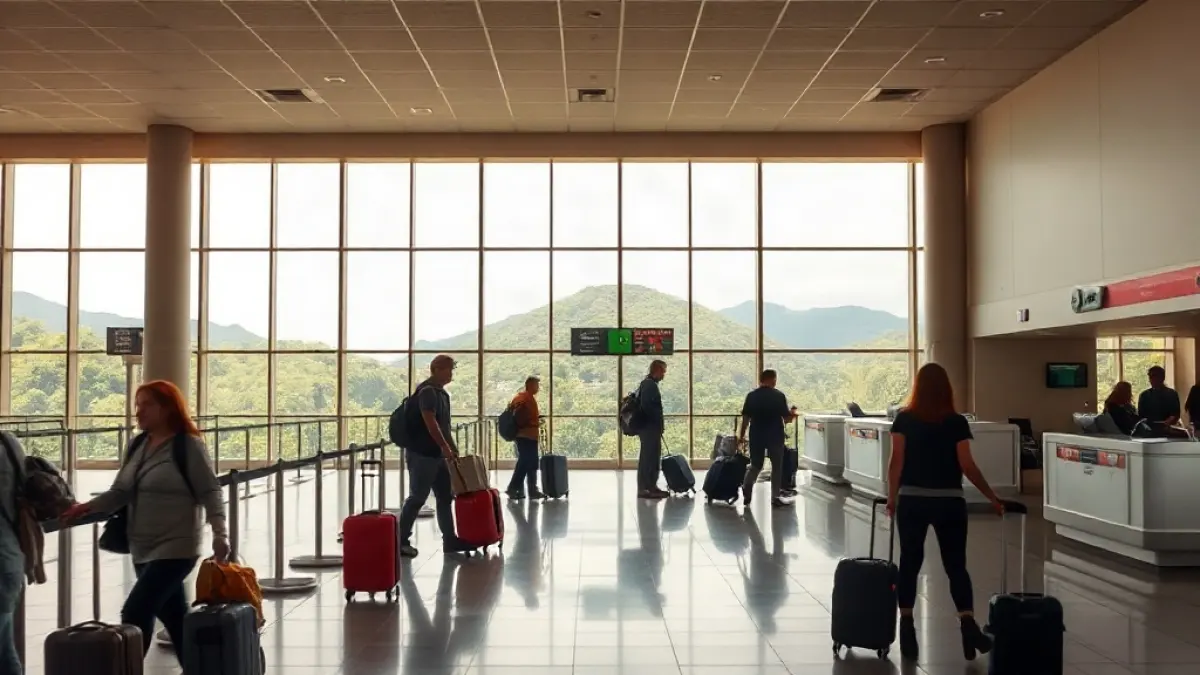
Costa Rica does not require a visa for many Western visitors, but entry is not just about a passport: travellers still have to demonstrate that they will leave the country. The requirement catches out people who book one-way flights, keep their plans open or arrive overland.
Key facts
- The U.S. State Department's Costa Rica page says a visa is not required for stays under 180 days, but a return ticket is required.
- Entry guidance lists a return ticket or proof of onward travel to another country.
- Airlines typically check this before departure, so travellers can be stopped at their home airport.
- Accepted proof includes a pre-paid bus or flight out of Costa Rica, or a cruise ticket, according to a guide citing the Costa Rican Tourism Board (ICT).
- Guidance differs on length of stay, with some commercial guides still citing 90 days.
What is the rule?
Visitors to Costa Rica are expected to show a way out of the country. The U.S. State Department states that a visa is not needed for stays under 180 days, but that a return ticket is required, and its entry guidance lists a return ticket or proof of onward travel to another country as an entry condition.
In short, a visa exemption does not mean there are no requirements. The departure condition applies alongside the visa waiver.
Who checks it, and where?
For most holidaymakers, the airline is the first place the rule is applied, before any Costa Rican official is involved. A travel guide for Costa Rica notes that tourists would not be allowed to board without a return or onward ticket, with the check usually made at the gate or check-in desk.
Some guides also say immigration officers at San José airport routinely ask for a return or onward ticket. Keeping a printed or digital copy of the booking is a low-cost way to avoid a difficult conversation.
What counts as proof of onward travel?
The proof does not have to be a flight home. A guide citing the Costa Rican Tourism Board (ICT) says a pre-paid bus or flight out of the country, or a cruise ticket, is accepted. A ticket to Panama or Nicaragua can therefore satisfy the requirement, as can a flight back to the traveller's home country.
The ticket must take the traveller out of Costa Rica. A domestic flight or an unspecified plan will not work, and the name on the booking should match the passport.
How long can I stay?
Published guidance is inconsistent. The State Department says visa-free stays can run up to 180 days, while several commercial guides still repeat an older 90-day figure, including one entry guide that refers to a confirmed ticket departing within 90 days.
Because sources disagree, the border officer effectively decides. One guide explains that 180 days is a maximum rather than an automatic allowance, and that officers sometimes grant only the days until the return flight. Travellers should check the stamp in their passport after entry.
What this means for travellers
Anyone flying to Costa Rica on a one-way ticket, with a flexible itinerary or with an overland exit still to be arranged needs to secure documented proof of departure before travelling, since the airline may refuse boarding otherwise. Keep the booking accessible at check-in and on arrival.
Travellers planning a longer stay should confirm the current length-of-stay rule before booking, as the published figures do not agree. A proof of funds requirement is also referenced in the guidance, but no further details are given.
No new rule has been announced: the requirement is long-standing. The practical step is to have documented onward or return travel in place before departure and to verify the current stay limit with official channels.
Also about:  United States