
 GuatemalaTravel
Business travellers to Guatemala face tight hotel supply and weak transport links
Guatemala is building large convention venues, including a 15,000-square-metre centre, but tourism figures say a shortage of hotel rooms, poor transport links and slow permits could undermine the plan for business travellers.
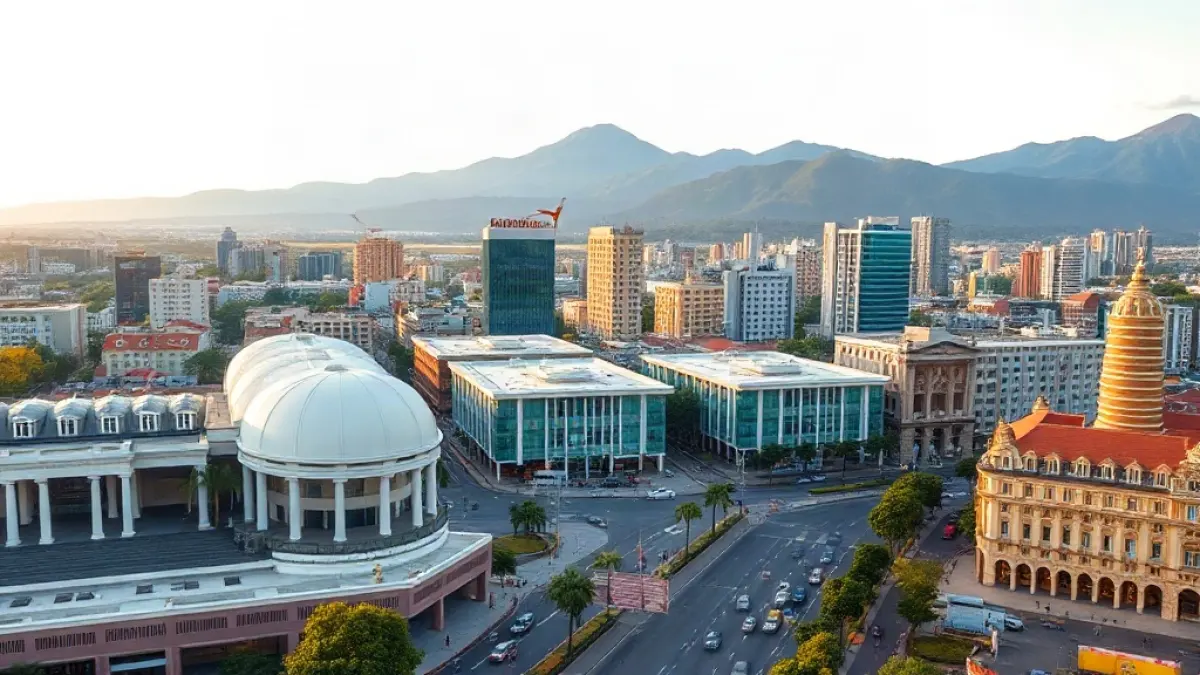
Guatemala is investing in large convention venues to win international meetings and exhibitions business, but industry figures warn that too few hotel rooms and weak transport links could hold the plan back. Officials and private promoters say the country is competing for events that other regional destinations are better equipped to host.
Key facts
- New projects include Arena Gallo and the 15,000-square-metre Distrito Futeca convention centre
- Irtra is planning a convention centre in Retalhuleu
- Business tourism accounts for about 25 percent of arrivals to Guatemala
- International associations choose host cities three to six years before an event
- Major international associations need room for 3,000 to 5,000 delegates
What is Guatemala building?
The drive centres on new private and public facilities designed to overcome the space limits that have constrained event hosting. They include the newly developed Arena Gallo, the Distrito Futeca and a convention centre planned by Irtra in Retalhuleu.
José Javier Arzú, founder of Futeca Corporación, says the 15,000-square-metre space would make Guatemala home to the largest convention centre in Central America, which he describes as a prerequisite for bidding for major international summits.
Why target business events?
Claudia Coronado of the Guatemalan Tourism Institute (Inguat) says the meetings, incentives, conferences and exhibitions segment, known as MICE, already accounts for roughly 25 percent of all tourist arrivals. She and other officials describe business tourism as steadier than leisure travel because it is less exposed to seasonal swings and economic downturns.
Delegates attending international congresses typically spend more per day than holiday visitors, using higher-end hotels and restaurants, and the sector supports jobs in catering, audiovisual services and transport.
What is holding the strategy back?
Hotel capacity is the main bottleneck, according to Javier Arzú, director general of ASA Promotions. He points out that during recent Shakira concerts in neighbouring El Salvador, a shortage of hotel rooms in the region pushed organisers elsewhere. Guatemala's three-, four- and five-star hotels, concentrated in Zone 10 of the capital and the historic city of Antigua, cannot absorb the 3,000 to 5,000 delegates that major associations bring.
Transport is another problem. Allison Batres, an expert in MICE tourism, says delegates will not accept spending an hour on a bus in Guatemala City's traffic. She says the international airport, the hotel inventory and the new convention centres are poorly connected and that no coordinated urban mobility strategy exists.
Promoters also cite excessive bureaucracy and a complicated permit process for large events, putting Guatemala at a disadvantage against Costa Rica and Panama. Security perceptions and the lack of internationally certified sustainable venues remain hurdles, and Luis Rey of the Guatemalan Tourism Chamber (Camtur) says specialised training is urgently needed.
What this means for travellers
Travellers attending conferences in Guatemala City or Antigua should expect limited hotel availability when major events are running, and should factor in heavy traffic between the airport, hotels and venues. International associations decide on host cities three to six years ahead, so the venues competing for those events are still being built.
The outcome depends on whether zoning, transport investment and hospitality training keep pace with the new facilities; industry figures warn the venues could otherwise sit underused.
Also about:  El Salvador
 Costa Rica
 Panama