
 EthiopiaTravel
Travellers to Northern Ethiopia Face Uncertainty After Border Incursion
Eritrean troops reportedly crossed into northern Ethiopia near Zalambessa around 7 October 2026, prompting Ethiopian drone strikes and troop deployments. Analysts warn the border standoff could escalate into interstate war.
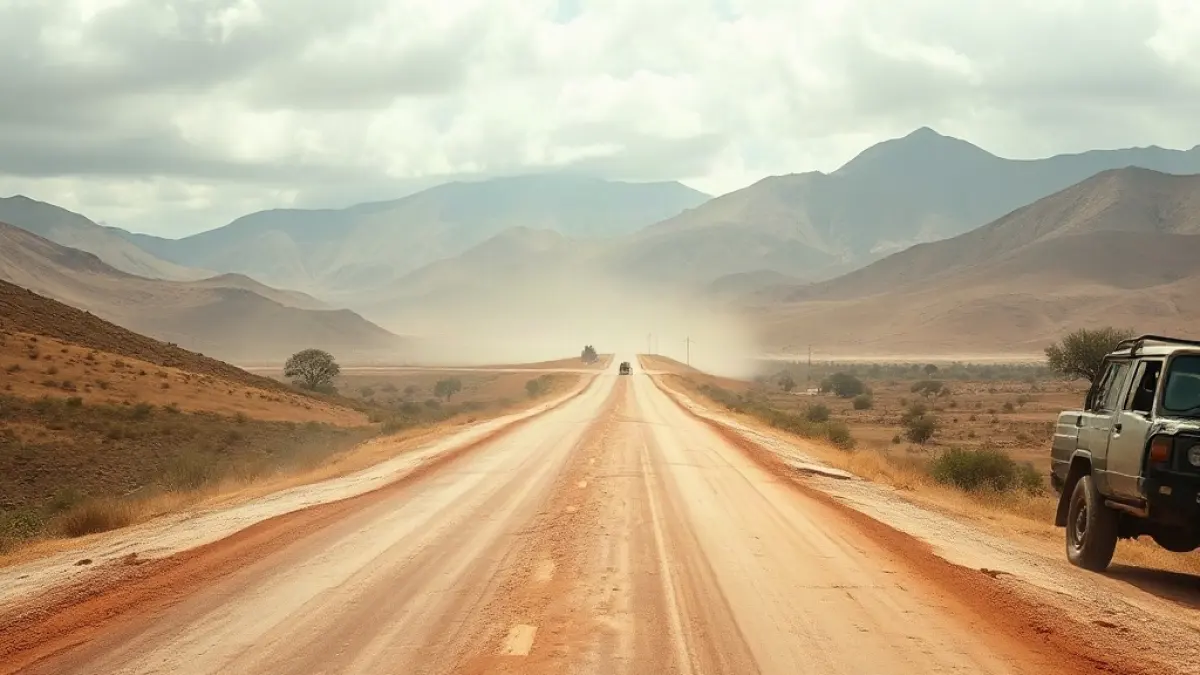
Tensions between Ethiopia and Eritrea have escalated sharply after Eritrean troops reportedly crossed into northern Ethiopia near the town of Zalambessa around 7 October 2026. Ethiopia responded with drone attacks and troop deployments, and analysts warn the standoff along the border could turn into an interstate war.
Key facts
- Eritrean troops reportedly entered northern Ethiopia near Zalambessa on about 7 October 2026
- Ethiopia's government told the United Nations Security Council the incursion reached 60 kilometres into its territory
- Ethiopia launched drone attacks against Eritrean military vehicles near Adi Grat on 8 October 2026
- The International Crisis Group published its assessment of the border situation on 12 October 2026
- About one million people remain displaced from the earlier conflict and four million require aid
What has happened at the border?
Witness accounts and independent monitors reported that Eritrean troops crossed the border in northern Ethiopia near Zalambessa on about 7 October 2026. In a letter to the United Nations Security Council, the Ethiopian government accused Eritrea of sending troops 60 kilometres into Ethiopian territory.
Ethiopian Foreign Minister Gedion Timothewos described the incursion as "a blatant act of aggression that engages Ethiopia's inherent right to self-defence." Ethiopia launched drone attacks against Eritrean military vehicles near the town of Adi Grat on 8 October 2026, according to the Armed Conflict Location and Event Data project (ACLED). Ethiopia has also deployed forces to the north and retaken several towns that had been held by the Tigray People's Liberation Front (TPLF), a political party and armed group that has recently aligned with Eritrea.
Why are tensions rising?
The border tensions follow weeks in which several Ethiopian armed groups, including the TPLF and the Fano, an ethnically Amhara militia, launched attacks against Ethiopian federal government positions. Ethiopia accuses Eritrea of supporting these groups with arms and training.
The International Crisis Group (ICG) warned in an assessment dated 12 October 2026 that a standoff along the frontier would be "an ominous turn of events", noting that the last major interstate conflict in the Horn of Africa was fought along the same border.
Eritrea is concerned that landlocked Ethiopia aims to take the port city of Assab to gain access to the Red Sea, according to Hafte Gebreselassie Gebrihet, a research fellow at the University of Oslo. He argued that continued conflict inside Ethiopia reduces the threat to Assab, because a federal government fighting in the Amhara, Oromia and Tigray regions has fewer troops, less money and less political space to pressure Eritrea.
What could happen next?
Journalist Daniel Berhane, writing for the New Humanitarian, set out three possible scenarios: armed groups proliferate while Eritrea continues to support groups such as the TPLF and Fano; a stalemate in which insurgents hold parts of the countryside and the federal government controls population centres; or interstate war between Ethiopia and Eritrea over unresolved border issues and control of Assab, which would likely draw in regional nations and Gulf states.
The tensions come nearly four years after the Pretoria Agreement formally ended Ethiopia's civil war with the TPLF. Hafte wrote that the agreement has not been implemented in a way that guarantees lasting peace: Western Tigray has not been returned to Tigrayan administration, Tigray has not been reintegrated into federal politics, and promised militia disarmament has stalled.
What this means for travellers
The reported troop movements, drone attacks and escalating rhetoric are concentrated in northern Ethiopia near the Eritrean border, including the areas around Zalambessa and Adi Grat. The source does not include any travel advice, border closure notices or changes to entry rules, so travellers should check current official guidance before planning any journey to the region.
Experts are urging de-escalation, noting that a million people are still displaced from the last conflict and four million require aid. The ICG said pulling Ethiopia and Eritrea back from the brink of war "should be the priority" for those seeking to prevent interconnected conflicts across the Horn of Africa and Red Sea regions.
Also about:  Eritrea