
 FijiTravel
Visa-free Fiji stays up to 4 months for US, Canadian visitors; nonstop from 5 cities
Fiji Airways is the only airline flying non-stop from North America to Nadi, with fares from Los Angeles, San Francisco, Dallas, Honolulu and Vancouver. US and Canadian tourists enter visa-free for stays of up to four months.
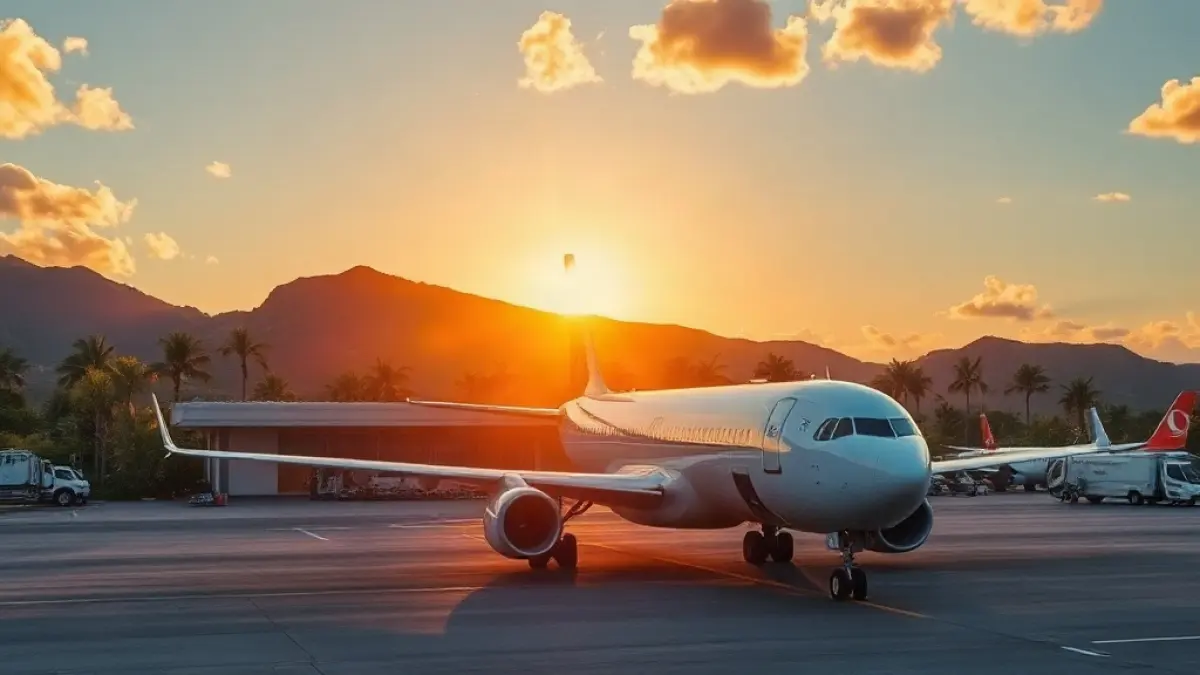
Travellers heading to Fiji from the United States or Canada have one non-stop option: Fiji Airways. Round-trip economy fares from Los Angeles to Nadi are currently listed at $1,280 to $1,650, while business class often exceeds $4,500. On arrival, US and Canadian passport holders can enter visa-free for tourism stays of up to four months.
Key facts
- Non-stop flights to Nadi International Airport (NAN) depart from Los Angeles, San Francisco, Dallas–Fort Worth, Honolulu and Vancouver.
- Fiji Airways is the only carrier flying non-stop from these hubs; American, United and Delta do not fly to Fiji.
- Listed average one-way fares range from $750 (Honolulu) to $1,350 (Dallas–Fort Worth).
- US and Canadian tourists need no visa for stays of up to four months.
- Passports must be valid for at least six months beyond the intended stay, plus a confirmed outbound ticket.
- Undeclared food, seeds or plant products on arrival draw an immediate $400 FJD fine.
Which routes fly non-stop to Nadi?
Fiji Airways operates the entire non-stop network from North America, using A350-900, A330-200 and 737 MAX 8 aircraft depending on the route. American Airlines and Qantas list codeshare seats on these services, operated by Fiji Airways.
Listed average fares are $1,150 from Los Angeles, $1,200 from San Francisco, $750 from Honolulu, $1,350 from Dallas–Fort Worth and $1,250 from Vancouver. Codeshare listings show $1,250 from Los Angeles with American, $1,300 from San Francisco with Qantas and $900 from Honolulu with Qantas.
Fiji Airways' newer Dallas–Fort Worth service is described as the only direct connection from the Central US and East Coast feeder network. Introductory pricing on that route can run about $200 below Los Angeles departures despite the longer flight time.
Why are fares to Fiji so expensive?
Four factors are cited. Fiji Airways faces no non-stop competition from US carriers, so there is no price war. Its full membership of the Oneworld alliance, which includes American Airlines, is funnelling travellers from across the US onto the same flights. The Fijian government raised departure taxes on long-haul flights in August 2024, and delivery delays at Airbus and Boeing make it hard to add capacity.
Non-stop North America–Fiji flights take 6 to 14 hours and cost 20–40% more than connecting itineraries. Air New Zealand offers cheaper connections through Auckland, but that routing adds 10 or more hours to the journey. Via Honolulu, the trip breaks into roughly 5–6 hours to Honolulu and about 7 hours on to Nadi, with connections of 2–4 hours.
Who can enter Fiji without a visa?
Holders of US and Canadian passports do not need a visa for tourism stays of up to four months and receive a stamp on arrival. Requirements are a passport valid for at least six months beyond the intended stay and a confirmed outbound ticket.
Travellers who want to stay longer can request an extension of up to two additional months at the immigration office in Nadi or Suva, for a fee of roughly $95 FJD (about $42 USD).
What should travellers watch for?
Flying west to Fiji costs a full calendar day: a Tuesday night departure arrives Thursday morning, so accommodation should be booked from the arrival date. The return trip lands in the US on the same day of departure or earlier.
Fiji's biosecurity rules are enforced strictly. All baggage is x-rayed on arrival, and undeclared food, seeds or plant products — including an apple or a bag of trail mix carried off the plane — trigger an instant $400 FJD (about $180 USD) fine. Items must be declared or placed in amnesty bins before the checkpoint.
Cyclone season in the South Pacific runs from November to April, and tropical storms can delay or cancel flights. A standalone policy covering weather-related cancellations is recommended, bought on the same day as the ticket, since cover is not provided if a cyclone warning is issued before the policy is purchased.
What this means for travellers
Travellers from North America should compare non-stop fares against one-stop routings through Auckland or Honolulu, check passport validity and outbound ticket requirements before booking, plan hotel dates around the arrival day rather than the departure day, and declare all food items on arrival.
Fares are expected to remain high until another airline launches direct flights to Fiji.
Also about:  United States
 Canada
 New Zealand