
 GermanyVisas
Long German Visa Waits in Tehran Cost Iranians Jobs and Course Places
Iranian applicants for German work and vocational-training visas protested outside the German Embassy in Tehran on Tuesday over long waits for appointments. Some say they have waited since July and have lost job offers or training places.
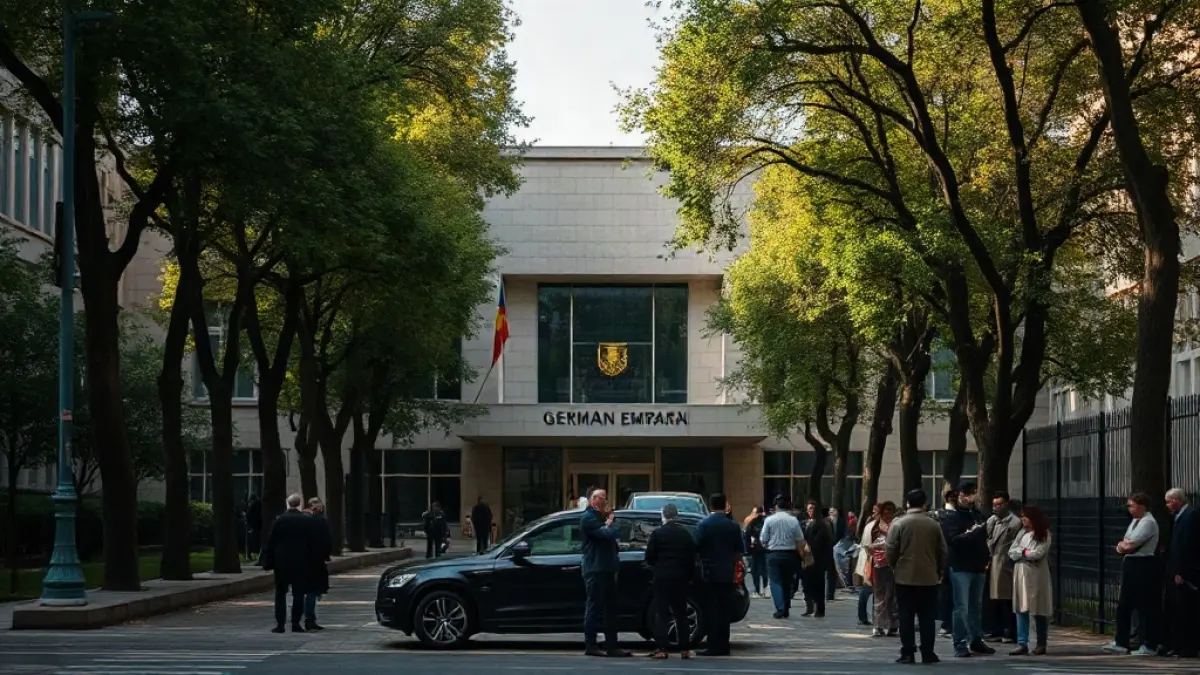
Iranians seeking German work and vocational-training visas demonstrated outside the German Embassy in Tehran on Tuesday, saying lengthy waits for appointments have cost them job offers and places on training programmes. Some applicants said they have been waiting since July for an appointment even after receiving preliminary approval from German authorities.
Key facts
- Who: applicants for German work visas, including healthcare and nursing professionals, plus users of Germany's fast-track skilled-worker procedure
- Thousands of people are reported to be waiting for appointments to submit German visa applications in Tehran
- Germany's embassy visa section is operating in emergency mode and is not issuing regular visa appointments
- Alternative arrangements exist for some family reunification and fast-track skilled-worker applicants
- New waiting lists for several visa categories, including students and doctors, have opened since July, with no appointment dates given
Who is affected?
The protesters include healthcare and nursing professionals applying for work visas and candidates using Germany's fast-track procedure for skilled workers. They are also applicants to Germany's Ausbildung system, which combines workplace training with classroom instruction and typically runs for two to three-and-a-half years.
Other groups report similar problems. Family reunification applicants have demonstrated in recent weeks, with some saying they have waited as long as two years for an appointment or a decision. Students say they risk losing university places because the visa process cannot be completed before their courses begin.
What problems are applicants reporting?
Applicants said appointments have been released only in small numbers despite repeated protests and correspondence with German authorities. Some said language certificates or preliminary approvals expired during the wait, forcing them to repeat parts of the process and pay additional costs. Others said they lost job offers or vocational places because the visa process could not be finished in time.
Why are visas delayed?
Germany's Foreign Office said in August that its embassy in Tehran remained open but that the consular and visa section was operating in emergency mode because of the security situation. The visa section is closed to regular visitors until further notice and no regular visa appointments are being issued, the ministry said at the time.
Applications already submitted through the embassy or an external service provider were still being processed where capacity allowed, and visas that had already been approved could still be issued. Berlin said the latest crisis had worsened problems affecting the visa section since June last year, when conflict between Iran and Israel led several foreign embassies to reduce or suspend consular operations. Germany also said staffing had been affected by restrictions imposed by Iranian authorities on diplomatic accreditations.
Are there alternatives?
The Foreign Office said in August that it had introduced alternative arrangements for some Iranians affected by the reduced services. Family reunification applicants already on the embassy's waiting list were being contacted to submit applications in Istanbul through the International Organization for Migration's Family Assistance Programme, with priority for people whose Tehran appointments were cancelled because of the war.
Germany's contracted visa application service provider was also issuing appointments to some applicants holding preliminary approval under the fast-track skilled-worker procedure. Since July, new waiting lists have opened for several national visa categories, including students and doctors, though German authorities have not said when those applicants will receive appointments.
What this means for travellers
Applicants for German national visas from Tehran should expect no regular appointments at the embassy for now and should factor long waits into plans involving job starts, training places or course dates. Those already on a waiting list may be contacted about submitting an application in Istanbul, and holders of preliminary fast-track approval may receive an appointment through the visa application service provider.
No timetable has been announced for when waiting-list applicants will get appointments or when regular visa services in Tehran will resume.
Also about:  Iran