
 HaitiTravel
US Removals to Haiti Pass 450 Since Temporary Protection Ended
Human Rights Watch says more than 450 Haitians have been deported from the United States since Temporary Protected Status ended on 27 July. It warns returnees face gang violence, poverty and scarce shelter, while Haiti remains a US Level 4 Do Not Travel destination.
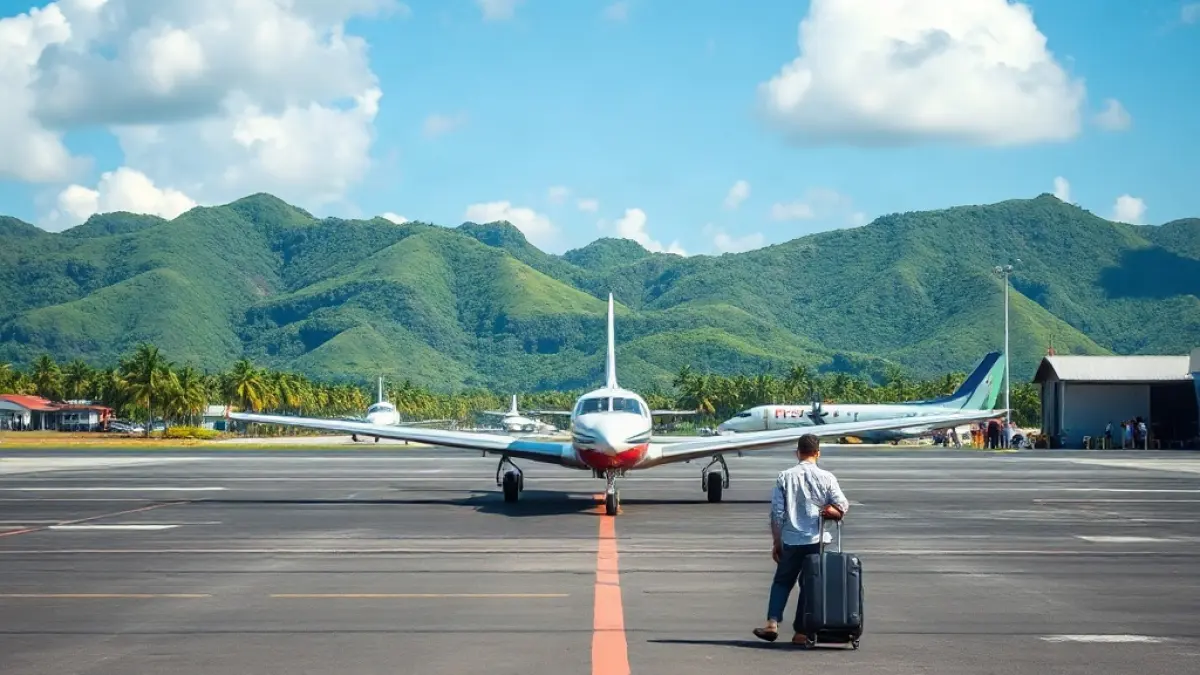
More than 450 Haitians have been deported from the United States since the Trump administration ended Temporary Protected Status (TPS) for them in July, according to Human Rights Watch. The non-governmental organisation is calling on the administration to halt the removals, warning that returnees are being sent back to dangerous conditions.
Key facts
- 27 July: TPS was lifted for Haitians after the US Supreme Court upheld a ruling to terminate the process in June.
- An estimated 330,000 Haitians were covered by the terminated process.
- More than 450 Haitians have been deported since the protections ended.
- Deportation flights now run weekly to Cap-Haïtien, up from monthly.
- Haiti is a US State Department Level 4 “Do Not Travel” destination.
Who is being affected?
Human Rights Watch says many of those deported had lived legally in the United States for years, and many have family members who are US citizens. Some of those removed had pending asylum claims, the organisation said.
Its staff visited Cap-Haïtien last month and interviewed 44 Haitian deportees who arrived on some of the first flights after TPS ended. Many told the group they had left Haiti after the deadly 2010 earthquake and because of the country's longstanding security and humanitarian crisis and the political instability that followed the 2021 assassination of President Jovenel Moïse.
Where are deportation flights landing?
Flights are going to the northern city of Cap-Haïtien, and have risen to weekly from monthly because the airport in the capital, Port-au-Prince, is unreachable. Human Rights Watch says gangs have taken over the country's main airport, alongside rising poverty and crime.
Nathalye Cotrino, senior Americas researcher at Human Rights Watch, said the US is returning people “to a country that doesn't have the capacity to protect them from violence.”
What happens to deportees on arrival?
Returnees are met at Cap-Haïtien airport by officials from Haiti's National Office for Migration, local police, the Haitian Red Cross and International Organization for Migration staff. They are registered and documented, and each receives about 10,000 Haitian gourdes, the equivalent of $77 in US cash.
Human Rights Watch says shelter, healthcare organisations and transport are limited, and that deportees are largely left to fend for themselves after registering. Officials at the Institute of Social Welfare and Research said they verify whether deported children arrive with a parent or guardian and try to reunify unaccompanied children with relatives, arranging temporary accommodation through private partner shelters when needed. However, the agency said it has no space for private interviews with children, no shelter of its own and no mechanism to monitor children after reunification.
What this means for travellers
The US State Department lists Haiti as a Level 4 “Do Not Travel” destination because of the risk of crime, kidnapping, terrorism, unrest and limited healthcare. Anyone planning travel to Haiti should review that advisory and the current conditions in the country before making plans.
Human Rights Watch has asked the administration to stop the removals. No response or change of policy has been announced in the report.
Also about:  United States