
 Hong KongTravel
Hong Kong Travel Tips: Octopus Cards, Transport Rules and Local Etiquette
Practical guidance for visitors to Hong Kong covers the Octopus travel card, how to get around by MTR, bus and minibus, rules on public transport, museum prices, dim sum customs and the Cantonese greetings to use instead of Mandarin.
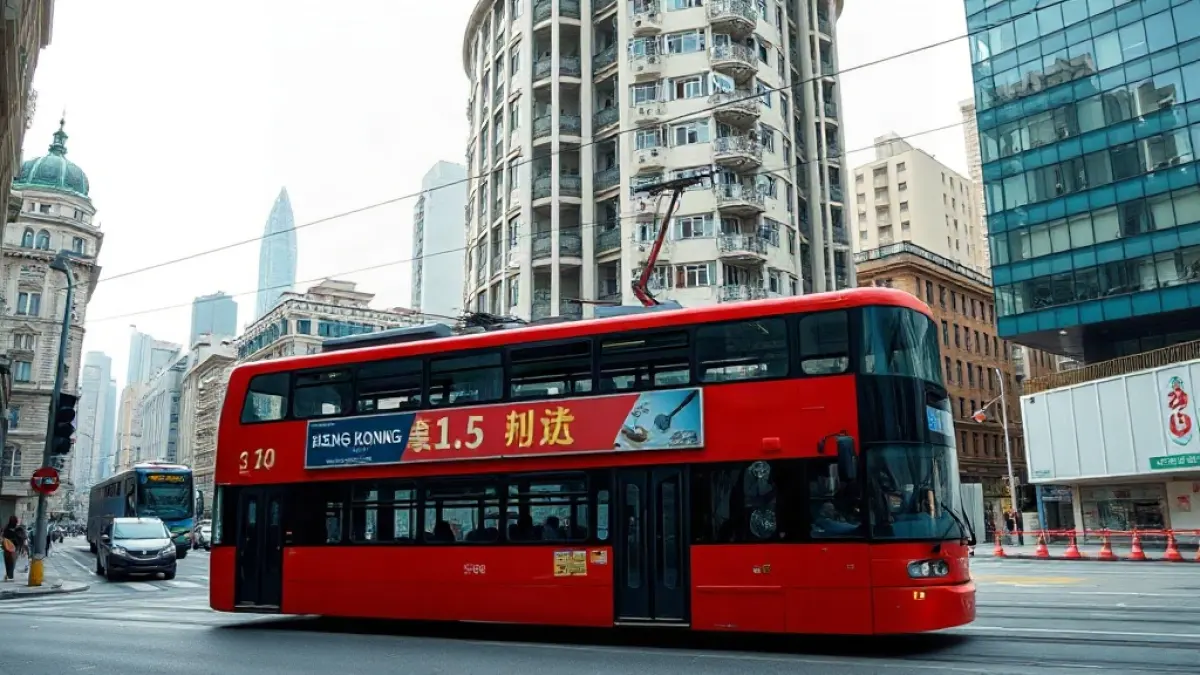
Hong Kong packs more than seven million people into over 9,000 high-rises across three main areas — Hong Kong Island, the Kowloon Peninsula and the New Territories — spread over 430 square miles and 18 districts. Efficiency matters in a city this dense, and a few practical habits around payment, transport, museums, food and language will help a trip run smoothly. English is one of the city's official languages, and most residents speak it.
Key facts
- Octopus card deposit: 50 Hong Kong Dollars (around $6.50), refunded when you return the card
- Hong Kong Palace Museum: 70 Hong Kong Dollars (around $9)
- M+ Museum: 190 Hong Kong Dollars (around $24.25)
- Many smaller museums are free to visit on Wednesdays
- Dim sum is best before 12 p.m. or after 2 p.m. to avoid crowds
- Eating and drinking is not allowed on trains, trams, buses or ferries
What should you pick up on arrival?
The contactless Octopus card is the standard way to pay for getting around. You can download the app for free, or collect a physical card at the Airport Express ticket desk in the arrivals hall or at any MTR subway station. The 50 Hong Kong Dollars (around $6.50) deposit on a physical card is refunded when you hand it back.
The card works on every form of transport in the city, including the Peak Tram, regular trams and ferries to the Outlying Islands such as Lamma and Cheung Chau. It is also accepted at more than 30,000 retail outlets, from convenience stores and fast food outlets to cinemas and museums.
How do you get around?
The Mass Transit Railway (MTR) covers large parts of Hong Kong Island, Kowloon and the New Territories, while double-decker buses and minibuses fill the gaps — often with wide views along the way. Two routes stand out: the #6 double-decker runs from Central to Stanley beach around the island's mountainous southern coast, with the best views from upstairs on the right-hand side. The #94 winds from Sai Kung Village through Hong Kong's UNESCO Global Geopark to Wong Shek Pier, where an old wooden ferry, known as a kaito, continues to Shatin for an MTR connection.
What rules apply on public transport?
Keep right on escalators and walkways, let passengers alight before boarding, and give up your seat to anyone in need. Eating and drinking is not permitted on any train, tram, bus or ferry in Hong Kong.
What is there to do on a rainy day?
Two large museums stand out. The Hong Kong Palace Museum costs 70 Hong Kong Dollars (around $9) and holds hundreds of treasures borrowed from the Palace Museum in Beijing, while the M+ Museum charges 190 Hong Kong Dollars (around $24.25) and focuses on highly visual contemporary Asian art.
Smaller options include Flagstaff House, a British colonial-era building devoted to tea, the Maritime Museum at the Central Star Ferry pier, and The Mills, which celebrates the city's textiles industry. Almost all of these smaller museums are free to visit on Wednesdays.
How does dim sum work?
Dim sum is served from morning until early afternoon; arriving before 12 p.m. or after 2 p.m. helps beat the crowds. Named options include Tim Ho Wan and the 90-year-old Luk Yu Teahouse. Larger restaurants may seat you at your own table, while smaller ones place strangers elbow to elbow on shared benches.
Tea is usually included and already on the table — tap it with two fingers if you want a refill. Menus tend to be printed order forms with small photographs of each dish: write in the number of portions you want, then hold the form up for a server to collect. Pay the cashier with your completed form when leaving.
What language should visitors use?
Hong Kong people speak Cantonese, not the Mandarin used in mainland China, and Cantonese is an important part of the city's identity. The traditional greeting in Hong Kong and Macau is “Jo sun” in the morning and “Nei ho” for the rest of the day. “Mmm goi” covers both excuse me and thank you.
What this means for travellers
Visitors can save time by arranging an Octopus card at the airport on arrival and loading it before joining transport queues. Checking opening hours and prices for the Palace Museum and M+ in advance, and planning dim sum outside the midday rush, are the main practical steps that follow from this guidance.
 China
 Macau