
 Hong KongEntry rules
New Huanggang Port Crossing Set to Enhance Travel Efficiency
The revamped Huanggang Port crossing in Hong Kong will open soon, featuring a new 'joint clearance' model for faster processing. Travellers must register and use authorized transport to access the facility.
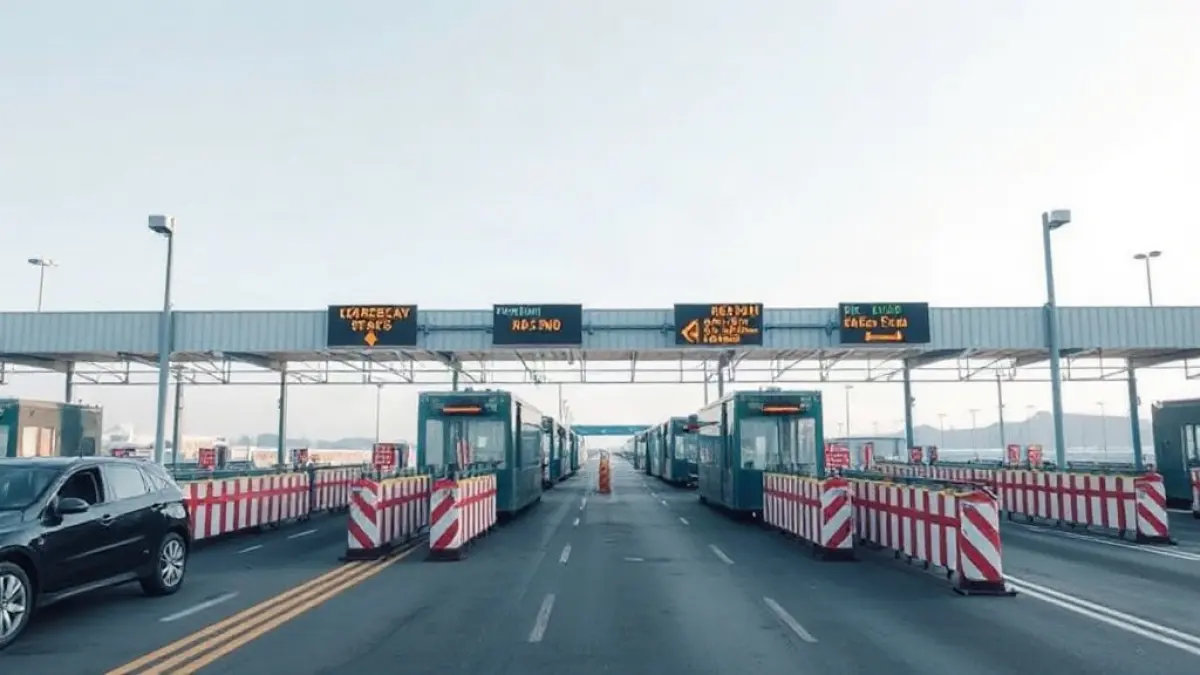
The Huanggang Port crossing in Hong Kong is set to open following extensive redevelopment, introducing a new model aimed at streamlining the border crossing experience. The facility will operate 24/7 and promises significantly reduced processing times for travellers.
Joint Clearance Model
The new crossing will be the first to implement a 'joint clearance' system, allowing passengers to complete both departure and entry procedures in one automated channel. This system is designed to cut the clearance time from approximately 30 minutes to just five minutes.
Registration Requirements
To utilize the joint clearance channels, both Hong Kong and mainland Chinese residents must register with immigration authorities on both sides of the border. Hong Kong residents can register through various means, including at the existing Huanggang checkpoint before it closes. Those who are unable to use the automated channels can still complete clearance via staffed counters.
Accessing the Crossing
Travellers must use authorized public transport services, such as buses, green minibuses, or taxis, to reach the public transport interchange located on level two of the new facility. Upon arrival, passengers will take escalators to the departure hall on level five for immigration clearance.
Transport Options
For those returning to Hong Kong, the arrival hall is situated on level four. Travellers will need to descend to level two to exit via the public transport interchange. Only taxis from designated premium fleets can accept bookings inside the building, and ride-hailing services are not permitted within the boundary control area.
The Huanggang Port crossing is expected to enhance travel efficiency between Hong Kong and mainland China, making it easier for residents and visitors to navigate the border.
Also about:  China