
 IcelandTravel
Iceland Rules on Roadside Stops, Camping and Pools That Carry Fines
An Iceland travel guide updated 19 October 2026 lists the tourist habits that most annoy locals, including illegal roadside stops, camping outside official sites and skipping the pre-pool shower. Several of these breaches are illegal and can lead to fines.
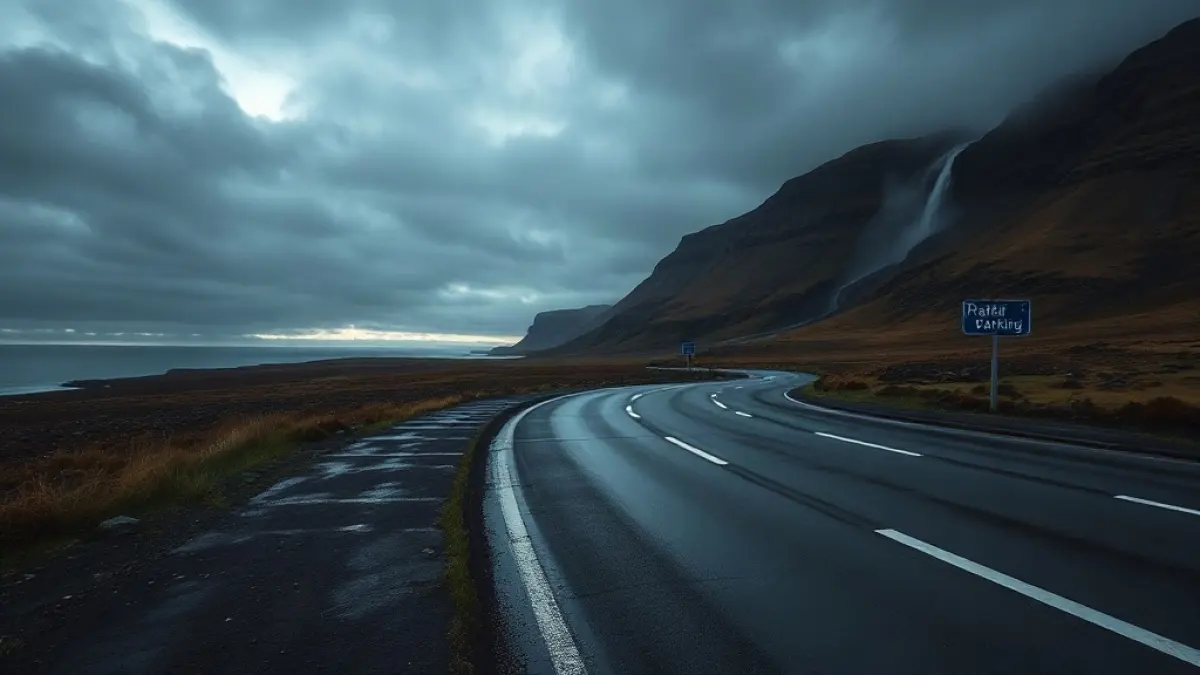
A travel guide to Iceland, updated 19 October 2026, lays out seven things tourists do that frustrate people who live there. Some of the habits it flags are not just rude — pulling over outside designated stops, camping on private land and ignoring warning signs are described as illegal, dangerous, or both.
Key facts
- Stopping a car anywhere other than designated roadside stops is illegal and can lead to a fine.
- Using a hand-held phone while driving is illegal unless a hands-free system is used.
- Camping is permitted only in designated campsites, which charge a small fee and usually provide toilets and showers.
- Visitors must shower thoroughly, without a swimsuit, before entering public pools and geothermal hot springs.
- Safety signs at Jökulsárlón glacier lagoon and Reynisfjara beach have been ignored, with fatal results.
What is illegal on Iceland's roads?
Pulling over to admire the scenery is one of the most common mistakes drivers make. The guide states that stopping anywhere except designated roadside stops is illegal and dangerous, and that hazard lights do not make an unofficial stop lawful. It warns that a fine may follow.
The problem is especially frequent in winter, when drivers leave towns to look for the northern lights and park in dark, remote places where other road users cannot see them. The guide suggests using a proper parking lot or joining a northern lights tour instead.
Using a mobile phone while driving is also illegal unless a hands-free system is fitted. Texting, calling or scrolling at the wheel can result in a fine. The guide does not state the amount of any fine.
Where can travellers camp?
Only in designated campsites. The guide says some visitors have pitched tents in parking lots, residential areas and on private property, which is illegal, since landowner permission is required. Designated sites are described as plentiful and often equipped with toilets and showers, for a small fee that goes towards maintaining them.
It also records cases of campers leaving rubbish and human waste on places such as school grounds and beaches.
What are the rules at pools and hot springs?
Before entering a public pool or geothermal hot spring, visitors must shower thoroughly without a swimsuit — including at the Blue Lagoon and Sky Lagoon. Showering at a hotel beforehand is not enough, and pool attendants will escort anyone who forgets to the showers. Iceland's pool culture has been nominated for UNESCO's List of Intangible Cultural Heritage.
Where are the serious safety warnings?
At Jökulsárlón glacier lagoon, tourists sometimes climb on floating icebergs despite warnings and get stranded, requiring local rescue teams to intervene. At Reynisfjara, the black sand beach, sneaker waves surge faster than visitors expect; the guide says several people have died there in recent years after ignoring warning signs.
The guide's top-ranked point is to respect Iceland's landscapes and avoid vandalism of nature, noting that off-road driving damages the country's nature.
What should travellers do instead?
Use toilets rather than the outdoors: most major attractions have bathroom facilities, many of them free. Where none exist, the guide recommends asking at a gas station, bar, shop or restaurant, or packing waste out in a bag and disposing of it in a bin.
It also lists questions locals find insulting, such as whether everyone is related, whether everyone knows each other, whether people live in igloos and whether polar bears are a threat.
What this means for travellers
Drivers should stop only at designated roadside bays and keep phones out of their hands; campers should book official campsites; swimmers should shower without a swimsuit first; and visitors at glacier lagoons and black sand beaches should obey warning signs. Travellers planning a self-drive or camping trip can check the relevant local rules before setting out.