
 IndiaEntry rules
Afghan travellers unaffected as India eases passport rules for select residents
India's Union home ministry has notified amended immigration rules easing passport and visa requirements for certain Pakistani citizens, minority refugees, Sri Lankan Tamils and Tibetans living in India. Some provisions also change ID rules for travel between India, Nepal and Bhutan.
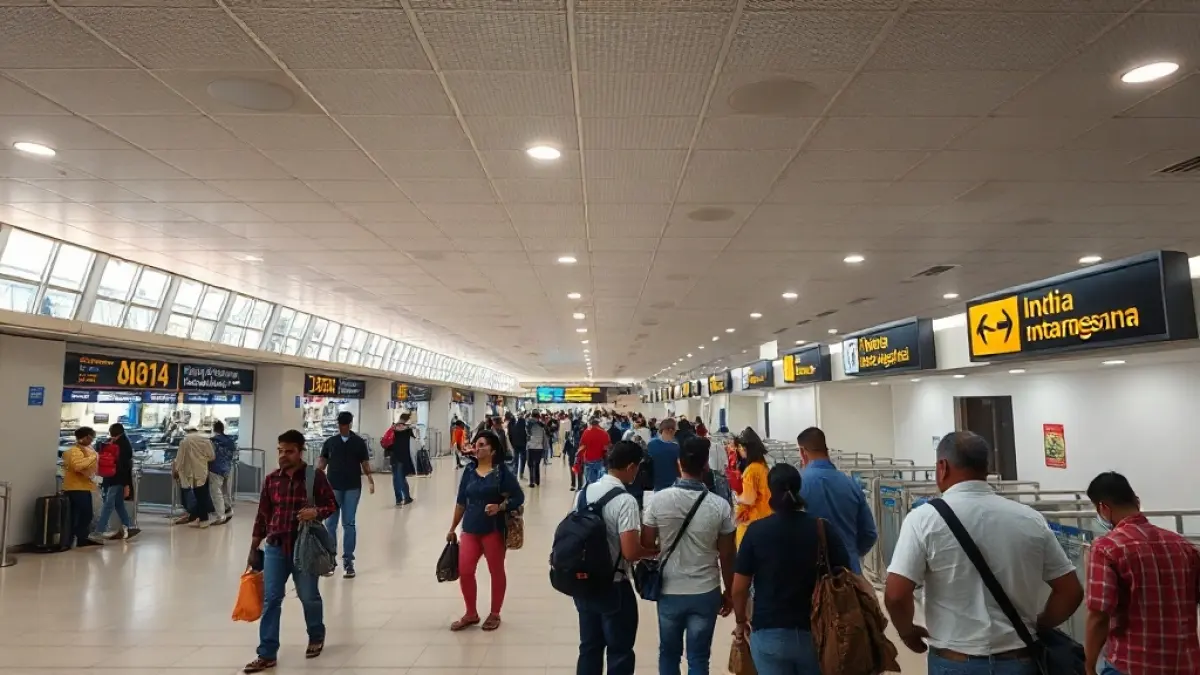
India's Union home ministry has relaxed passport and visa requirements for several categories of foreign nationals living in the country, including certain Pakistani citizens, minority refugees, Sri Lankan Tamils and Tibetans. The changes were set out in the Immigration and Foreigners (Exemption) (Amendment) Order, 2026, published in the Gazette after being notified on Thursday.
The same order revises the travel and identification documents required from Indian, Nepalese and Bhutanese citizens moving between the neighbouring countries.
Key facts
- The measure is the Immigration and Foreigners (Exemption) (Amendment) Order, 2026, notified by the Union home ministry and published in the Gazette.
- Covered groups include Pakistani citizens who entered India on or before 31 December 2009 intending to settle permanently, and minority refugees from Afghanistan, Bangladesh and Pakistan who entered on or before 31 December 2024.
- Registered Sri Lankan Tamil nationals who took shelter in India up to 9 January 2015 are exempt from general passport and visa requirements.
- Indian citizens travelling to Nepal or Bhutan by land or air may present any one identity document listed in the government's Visa Manual instead of a passport.
- Several exempted categories must still obtain an appropriate visa to remain in India.
Who is covered by the exemptions?
Pakistani citizens who entered India on or before 31 December 2009 with the intention of settling permanently are exempt from passport renewal requirements if they cannot renew their documents because they do not hold a computerised national identity card issued by Pakistan.
The order also covers certain male members of the Muslim community who were originally Indian citizens and left for Pakistan between 15 August 1947 and 31 December 1965, then returned to India on or before 31 December 2009. They must have settled in Kerala and meet conditions including not having married or acquired immovable property in Pakistan, and having left behind family members who are Indian citizens.
People of Indian origin who took Malaysian or Singaporean citizenship and returned to India on or before 31 December 2009 on passports from those countries that have since expired and cannot be renewed are also included. All three categories must obtain an appropriate visa type for their continued stay in India.
What about refugees and other groups?
Members of Hindu, Sikh, Buddhist, Jain, Parsi and Christian communities from Afghanistan, Bangladesh and Pakistan who entered India on or before 31 December 2024 after seeking shelter because of religious persecution or fear of persecution are covered. The exemption applies both to those who entered without valid passports or travel documents and to those whose documents have since expired, but they must obtain an appropriate visa after entering India to continue their stay.
Registered Sri Lankan Tamil nationals who took shelter in India up to 9 January 2015 have been exempted from general passport and visa requirements. The order also covers Tibetans who entered India on specified entry permits issued by the Indian Embassy in Kathmandu and later registered with the relevant authorities.
What changes for travel to Nepal and Bhutan?
Indian citizens travelling to Nepal or Bhutan by land or air can produce any one identity document specified in the government's Visa Manual instead of a passport. The same provision applies to Nepalese and Bhutanese citizens entering or leaving India.
There is a key exception: Nepalese and Bhutanese citizens who have embarked at or transited through mainland China, Macau, Hong Kong or Pakistan must hold both a valid passport and a visa. Indian citizens travelling to or returning from countries other than Nepal and Bhutan through the India-Nepal or India-Bhutan borders also cannot use the exemption — they need valid passports and must use designated immigration posts.
What this means for travellers
People in the listed categories should check whether their nationality, entry date and circumstances match the amended provisions before relying on an exemption, and note that several groups still need to secure an appropriate visa to remain in India. Travellers crossing between India, Nepal or Bhutan should confirm which identity documents are accepted and whether their onward journey falls outside the exemption.
The order additionally exempts Indian naval, military and air force personnel travelling on duty and accompanying family members on government transport, as well as foreign crew members of military vessels visiting India for repairs, provided they hold military identification documents and have been granted military ship repair permits by immigration authorities. The notification does not set out application procedures or further implementation dates.
Also about:  Pakistan
 Afghanistan
 Bangladesh
 Sri Lanka
 Nepal
 Bhutan
 Malaysia