
 MaltaEntry rules
Malta Residency and Property Rules: What Moving There Involves
A guide to moving to Malta outlines its non-domiciled tax system, residency and citizenship routes, property restrictions for foreign buyers and living costs. It notes the golden-visa residence permit allows up to 90 days in any 180-day period elsewhere in the Schengen Area.
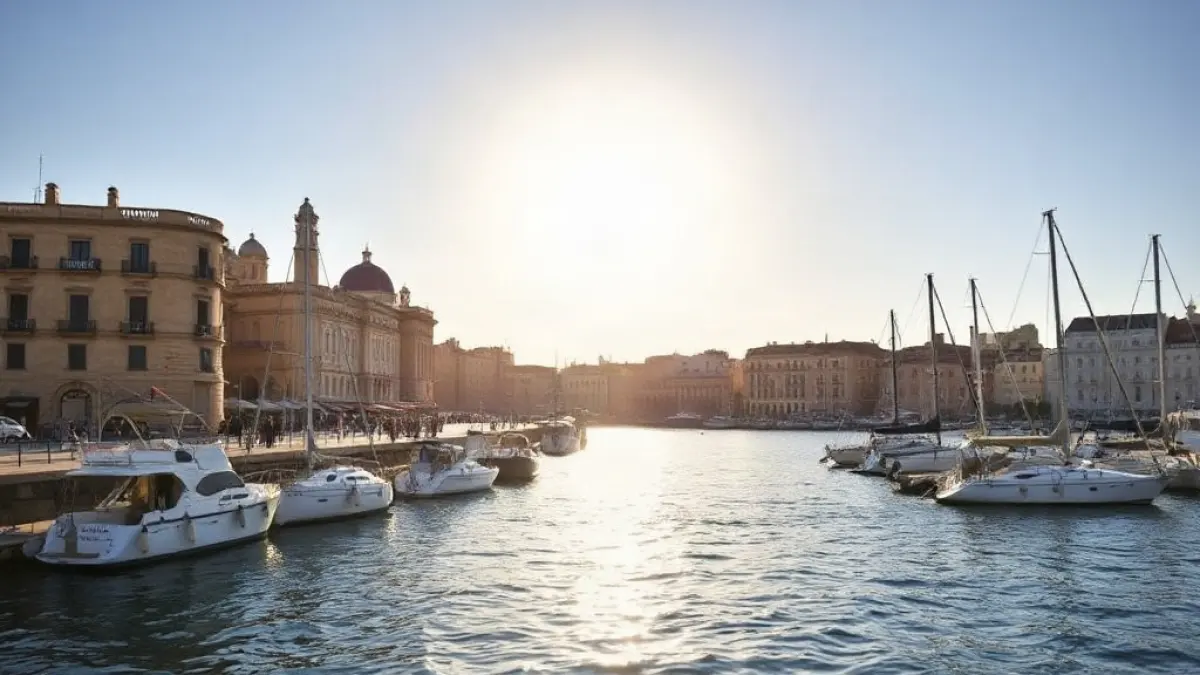
Malta remains open to foreign residents and investors, offering a residence permit that lets non-EU holders spend up to 90 days in any 180-day period elsewhere in the Schengen Area, while a Maltese passport gives unrestricted movement across the European Union. English is an official language on the island.
Key facts
- Golden-visa residence permit: up to 90 days in any 180-day period elsewhere in the Schengen Area
- Maltese passport: full, unrestricted movement throughout the European Union
- Foreign income taxed only when brought into the country for non-domiciled residents
- Foreign buyers face restrictions on purchasing property outside Special Designated Areas (SDAs)
- Prime rental costs: €2,500 to over €4,500 per month for a three-bedroom apartment
What tax rules apply to residents?
Malta operates what the guide describes as an EU-approved remittance-based tax system for non-domiciled residents. Under this system, foreign income is taxed only when it is brought into the country. The guide says this gives residents control over their annual tax exposure.
What are the residency and citizenship routes?
The guide refers to a golden-visa residence permit for non-EU holders and to the Maltese passport, which it says guarantees an absolute right to reside, work and travel throughout the EU. It does not set out investment thresholds, application procedures, processing times or fees for either route.
Can foreign buyers purchase property in Malta?
There are restrictions on foreigners buying real estate in Malta. Special Designated Areas (SDAs) are described as the route for foreign buyers, with developments including Portomaso and Tigné Point in St Julian’s and Sliema, Fort Cambridge in Sliema, Pendergardens in St Julian’s and Madliena Village.
Entry prices at Portomaso and Tigné Point start at around €1 million, while Fort Cambridge apartments are listed at €800,000 to €2 million. Villas at Pendergardens can command upwards of €3 million. Prices per square metre across prime areas range from €5,000 to €8,000.
What does it cost to live in Malta?
Renting a modern three-bedroom apartment in Sliema or St Julian’s ranges from €2,500 to over €4,500 per month, with quality sea-view apartments in those areas at €2,500 to over €4,000. International schooling is budgeted at €15,000 to €25,000 annually per child, private health insurance at €1,500 to €3,000 per year, and a high-end dinner for two exceeds €150. Premium office space costs €300 to €450 per square metre annually.
What this means for travellers
Anyone considering a move should note the property restrictions for foreign buyers and the cost levels in prime areas before committing. Most people moving to Malta rent for the first year before buying.
The guide notes that Malta’s immigration programmes are coming under greater scrutiny from the EU, but gives no dates or details of any planned changes.