
 Sao Tome and PrincipeTravel
São Tomé and Príncipe Implements New Conservation Model
São Tomé and Príncipe has adopted a new conservation model integrating sustainable development with community involvement, aiming to protect its unique biodiversity while promoting economic activity.
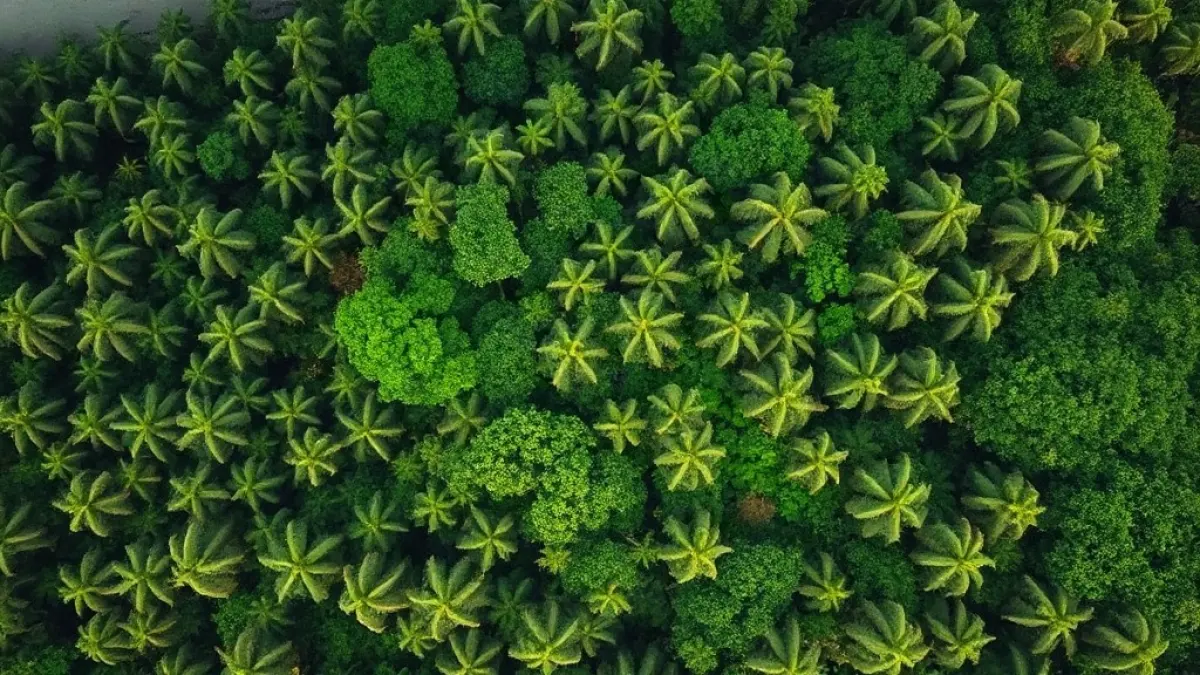
São Tomé and Príncipe, an island nation off the West Central African coast, has become the first country globally to declare its entire territory a UNESCO Biosphere Reserve. This designation recognizes its rich biodiversity, including five of the world's seven sea turtle species. In response to the urgent need for conservation, the country is now implementing a new model that intertwines environmental protection with sustainable economic practices.
New Conservation Model
The innovative approach focuses on integrating conservation efforts into the local economy. By replacing harmful practices such as illegal logging and poaching with sustainable alternatives, the country aims to foster a healthy ecosystem while providing livelihoods for its communities. Initiatives include promoting the sustainable harvesting of local resources, such as the _búzio_ forest snail, and developing eco-tourism projects that benefit local populations.
Community Involvement
Community engagement is crucial in this conservation strategy. Local fishermen are being trained to monitor marine ecosystems and protect nesting sites for sea turtles. Partnerships with NGOs and government bodies are facilitating the establishment of marine protected areas, which serve as nurseries for various marine species. These efforts not only help sustain local fisheries but also enhance food security.
Challenges Ahead
Despite the progress, São Tomé and Príncipe faces significant challenges, including climate vulnerability and limited infrastructure. The nation’s remote location makes it one of the least-visited countries in Africa, which poses difficulties for tourism development. Furthermore, issues such as weak enforcement of regulations and pollution management need to be addressed to ensure the long-term success of conservation efforts.
As São Tomé and Príncipe continues to develop its conservation model, the integration of sustainable practices with community involvement will be key to preserving its unique environment and supporting economic growth.