
 SpainTravel
Spain's king visits Ceuta and Melilla as border tensions with Morocco persist
King Felipe VI and Queen Letizia visited Ceuta on 13 October 2026 and travel to Melilla on 15 October, the first royal visit to Spain's North African enclaves since 2007. About 15,000 migrants remain in Ceuta after July's mass crossing.
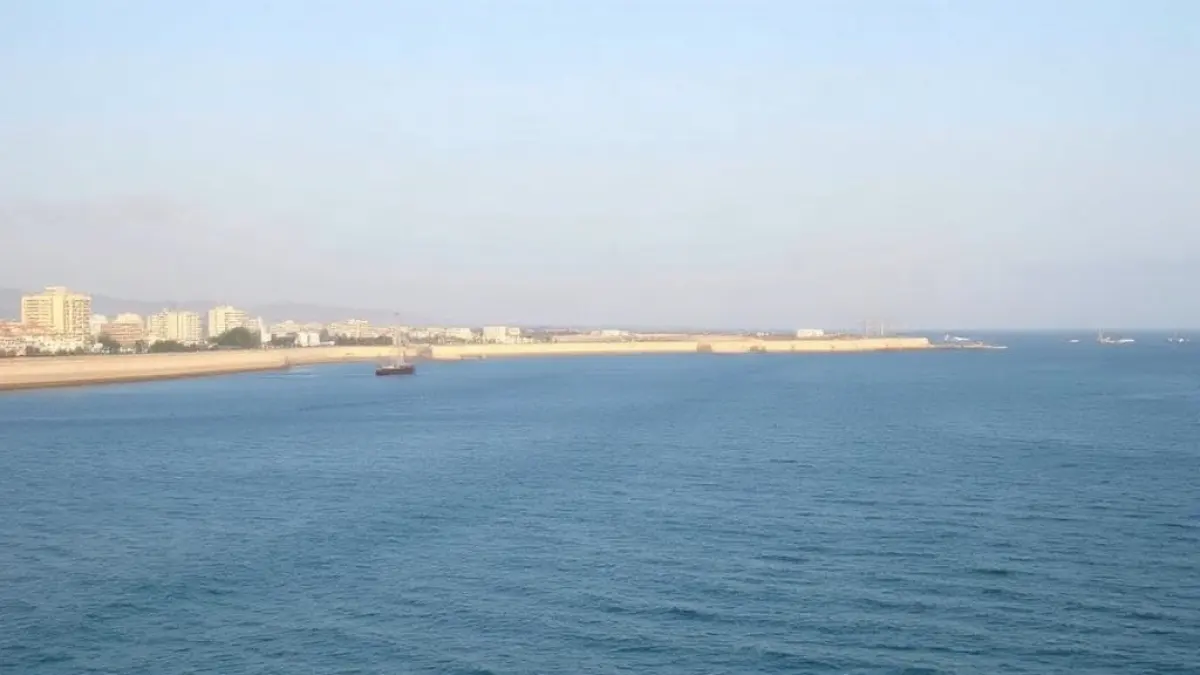
Spain's King Felipe VI and Queen Letizia visited the North African enclave of Ceuta on 13 October 2026, the first trip by a Spanish monarch to the territory since 2007. The visit comes as the city of 84,000 residents continues to deal with the aftermath of a mass crossing from Morocco in July.
During a speech to figures from Ceuta's civil society, Felipe described Ceuta as an integral part of Spain and said its frontier is a European border. In his only reference to Morocco, he said relations with Rabat must be based on "good faith" from both sides.
Key facts
- 13 October 2026: King Felipe VI and Queen Letizia visit Ceuta
- 15 October 2026: the royal couple travel on to Melilla, Spain's other North African enclave
- First visit by a Spanish monarch to the two cities since Juan Carlos I toured them in 2007
- About 15,000 migrants remain in Ceuta after the July crossing
- Ceuta has a population of about 84,000
What happened during the visit?
Large crowds greeted the royal couple at Ceuta's Plaza de Africa, where some waved Spanish flags and church bells rang. Felipe received the key to the city from Juan Jesús Vivas, Ceuta's top elected official, who called for the expulsion of all migrants who remained after the mass crossing.
Felipe and Letizia also visited the Sidi Embarek cemetery with religious authorities from Ceuta's four main religions — Roman Catholic, Islam, Judaism and Hinduism — to pay their respects to dozens of unidentified migrants who died in the crossing. They also visited a school.
Why is the visit significant?
Morocco does not recognise Spanish sovereignty over Ceuta and Melilla, which have been under Spanish control for centuries. When Juan Carlos I visited the two cities in 2007, Morocco recalled its ambassador to Spain and King Mohammed VI condemned the trip.
Morocco's Foreign Ministry did not immediately respond to requests for comment about the current visit. Diplomatic observers in Spain are watching closely for Rabat's response.
What is the situation in Ceuta?
The city is still grappling with a mass crossing from Morocco in July, when nearly as many migrants as Ceuta's population entered the territory. The crossing left at least 140 migrants dead, and about 15,000 people remain in the city two and a half months later.
Felipe demanded that the remaining migrants be treated with respect. The Associated Press found many underage migrants still living on the streets during a recent visit, and some migrants have reported abuse. The Spanish government is investigating allegations of mistreatment and torture by Spanish soldiers detailed in an Amnesty International report.
What this means for travellers
The visit signals that Spain is sending its monarchs to the North African enclaves after a long reluctance to do so. Ceuta and Melilla are Spanish territories on the Mediterranean coast bordering Morocco, and travellers should be aware that the border area remains the focus of diplomatic tension between the two countries.
The royal couple will stay overnight in Ceuta before travelling to Melilla on Wednesday. No changes to border or entry rules for travellers have been announced in connection with the visit.
Also about:  Morocco