
 TajikistanTravel
Panjakent Draws More Than 41,000 Tourists in 2026 as Roads Stay Rough
Panjakent in western Tajikistan received more than 41,000 foreign and domestic visitors in the first nine months of 2026, city officials said. Travellers should note poor road conditions on one 30-kilometre stretch and limited repairs at key sites.
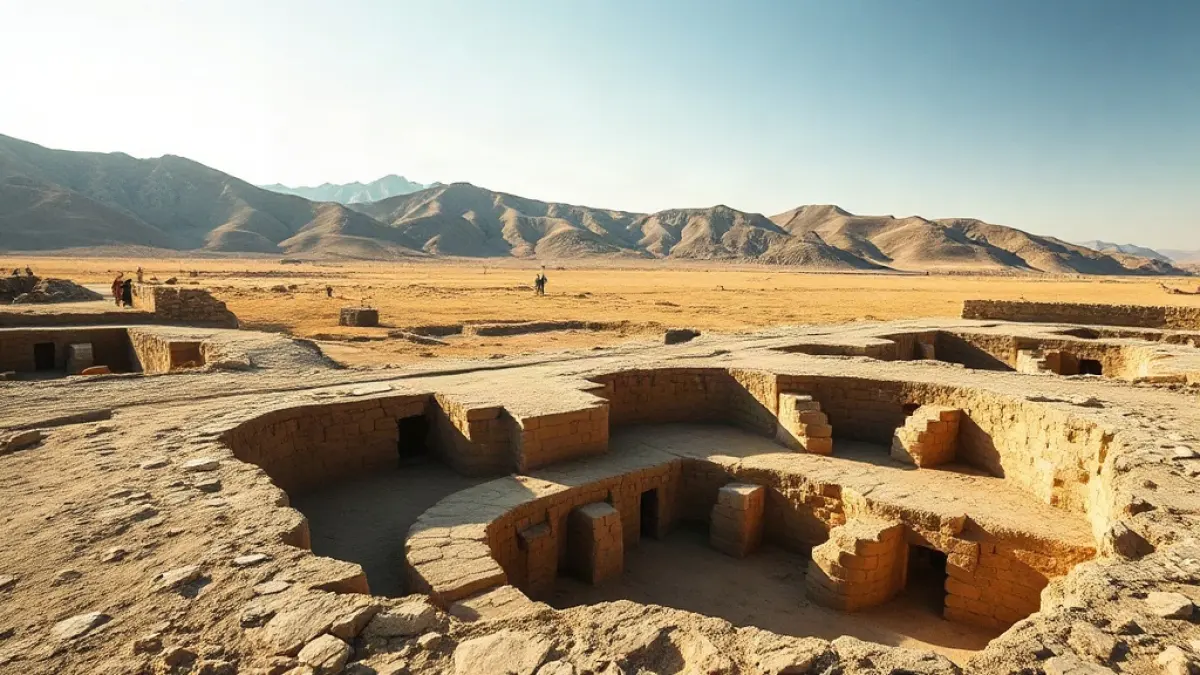
The area around Panjakent in western Tajikistan, home to ancient ruins including a UNESCO World Heritage site, welcomed more than 41,000 tourists in the first nine months of 2026, city officials said. The figures were reported by Tajikistan's state news agency Khovar as the country works to expand its tourism infrastructure.
Key facts
- More than 41,000 tourists visited Panjakent between January and September 2026
- Panjakent city lies about 60 kilometres from Samarkand in Uzbekistan
- The area has more than 300 historical monuments, including UNESCO-designated Sarazm
- Local tourism capacity: 24 travel companies, 11 hotels and 22 guest houses
- A 30-kilometre road between Ruknobod and Artuch remains in poor condition
What does Panjakent offer travellers?
The city says the surrounding area holds more than 300 historical monuments alongside several major sites. The best known is Sarazm, whose archaeology traces the development of human settlements in Central Asia from the fourth millennium BCE to the end of the third millennium BCE, according to UNESCO.
UNESCO has said Sarazm provides evidence of trade and cultural ties across an area extending from the steppes of Central Asia and Turkmenistan to the Iranian plateau, the Indus valley and as far as the Indian Ocean. The U.N. cultural agency described the "proto-urban" site as a major regional centre for working tin, copper and other metals, and as one of the places that gave birth to major trans-Eurasian trade routes.
Where can visitors stay?
Panjakent's tourism industry has been growing and now includes 24 travel companies, 11 hotels described by the city as modern, 22 guest houses, and numerous restaurants and cafes. A climbing base in the Kuli Kalon area outside the city, dating from the Soviet era, is still operating, the city said.
What problems do travellers face?
Khovar reported that obstacles are holding back further tourism development, including a rough road on the 30-kilometre stretch between the villages of Ruknobod and Artuch. "Every year, tourists pass this road with difficulty," the agency reported.
The agency also said the tomb of Abu Abdullah Rudaki, regarded as a founder of Tajik-Persian classical poetry, needs significant repairs. Rudaki was born in Panjrud village near Panjakent and spent many years as a court poet in the Samanid capital of Bukhara; he is believed to have died around 941, and most of his work has been lost.
What this means for travellers
Visitors planning to reach villages and sites outside Panjakent should factor in difficult road conditions, particularly on the Ruknobod–Artuch stretch. The city's accommodation base of hotels and guest houses is concentrated in and around Panjakent, roughly an hour's drive from Samarkand across the border in Uzbekistan.
No timetable has been announced for road improvements or repairs to the Rudaki tomb.
Also about:  Uzbekistan