
 United KingdomVisas
Eritrean Visa Ban Untimed; Gabon Travelers Face No Clear Changes Yet
UK Home Secretary Shabana Mahmood said on 15 October 2026 that Eritrean nationals could be barred from entering the country unless Eritrea accepts the return of failed asylum claimants and convicted criminals. No start date has been given.
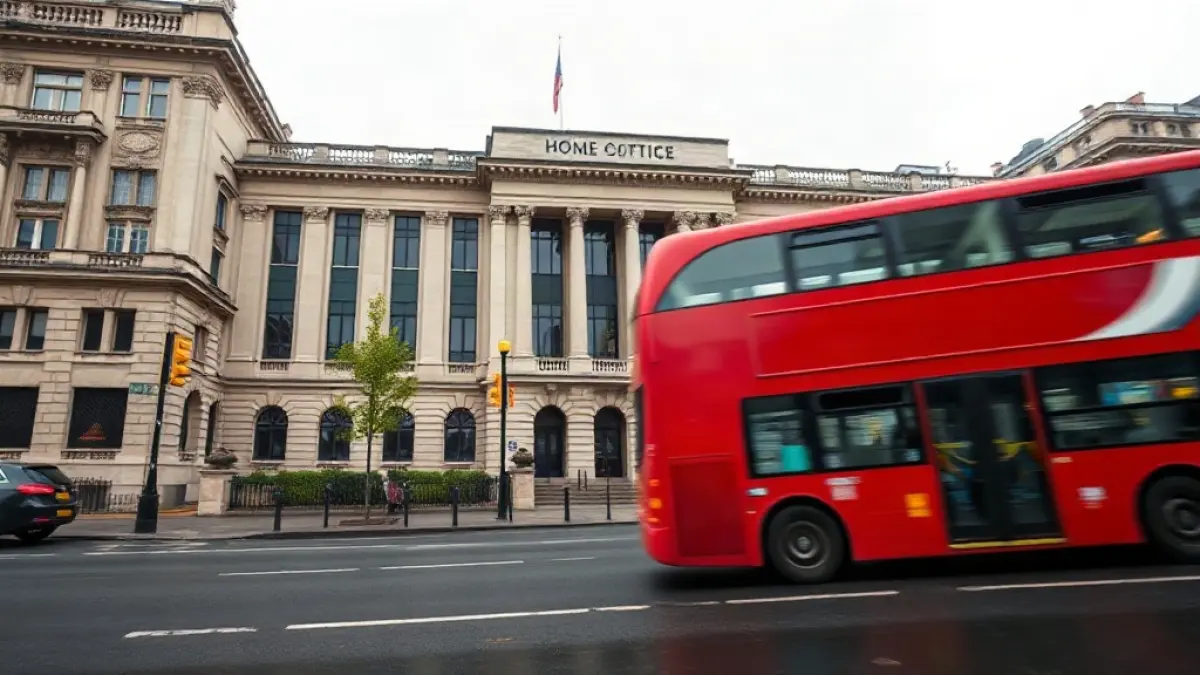
The United Kingdom could bar all Eritrean nationals from entering the country if Eritrea continues to refuse the return of citizens whose asylum claims have been rejected or who have been convicted of crimes. Home Secretary Shabana Mahmood issued the warning on 15 October 2026, and said other countries that refuse to cooperate on returns could face similar restrictions.
The threatened ban has not yet been imposed, and no start date has been announced.
Key facts
- Announced: 15 October 2026, by UK Home Secretary Shabana Mahmood
- Who is affected: Eritrean nationals seeking to enter the UK
- Trigger: Eritrea's refusal to accept the return of failed asylum claimants and convicted criminals
- Already applied: Eritrean diplomats in the UK have lost access to expedited visa processing
- Status: a warning only — no date has been set for a full ban
What is the UK demanding?
Mahmood said Eritrea had repeatedly turned down opportunities to take back citizens who are not entitled to remain in Britain, and delivered the warning directly to the Eritrean government. Her message, in her words, was to "take back your nationals or face a complete ban on your citizens entering the UK."
She also said the government was prepared to go further, warning: "I will not hesitate to impose further measures on other countries refusing to cooperate."
Why is the UK acting now?
Over the past four years the UK deported 106 Eritrean nationals whose asylum applications had failed, out of 2,626 rejected cases — fewer than 4% of the total, according to figures cited in the announcement.
In the year to June 2026, 6,952 Eritrean asylum seekers arrived in the UK, the second-highest number of any nationality. Of those, 5,875 crossed the English Channel in small boats, the largest total recorded for any nationality group. Eritrean asylum applicants have an approval rate of slightly more than 83%.
Home Office sources said private discussions with Eritrean representatives had failed to produce constructive engagement on a returns agreement.
What restrictions are already in place?
Eritrean diplomats in the UK have already lost access to expedited visa processing, and they face restrictions on travelling outside London without permission from the Foreign Office.
The UK has used similar pressure before. In 2025, ministers warned Angola, Namibia and the Democratic Republic of Congo that their ministers, diplomats and tourists could face visa restrictions unless they accepted the return of their nationals. Angola and Namibia later agreed to cooperate, and the Democratic Republic of Congo reached an agreement with the UK in February 2026 after restrictions were imposed. The agreements could enable the deportation of up to 4,000 people from the three countries.
In March 2026, ministers also halted study visas for nationals of Afghanistan, Cameroon, Myanmar and Sudan, and suspended work visas for Afghan nationals, following accusations that applicants from those countries were exploiting Britain's asylum system.
Could other countries face similar measures?
Countries named in discussions about difficulties securing migrant returns include India, Pakistan, Nigeria, Bangladesh, Somalia, Egypt and Gabon. Mahmood has warned that similar visa restrictions could be applied if those governments continue refusing to accept citizens who have been ordered to leave the UK.
What this means for travellers
Nothing has changed yet for ordinary Eritrean travellers — the ban is a threat, not an in-force measure. Anyone planning travel to the UK on an Eritrean passport should watch for an official announcement setting out whether and when an entry ban would take effect.
Nationals of the other countries named, including Gabon, may also want to follow developments, since Mahmood has said visa restrictions could extend to governments that refuse to take back citizens ordered to leave the UK.
The dispute is also feeding a wider UK political debate: Reform UK has proposed freezing visas for nationals of countries that refuse deportees, including Eritrea, Sudan, Pakistan, Afghanistan and Somalia. Labour chairwoman Bridget Phillipson called the proposals an extreme response, while Conservative shadow home secretary Chris Philp said several elements already form part of Conservative policy. No further dates have been announced.
Also about:  Eritrea
 Angola
 Namibia
 Afghanistan
 Cameroon
 Myanmar
 Sudan