
 United KingdomVisas
Nigerian applicants to UK universities face extra checks under new sponsor rules
UK universities are withdrawing offers and limiting recruitment from Bangladesh, Pakistan, Nigeria and India after the Home Office tightened student sponsor compliance rules from 1 June 2026. Students from these countries remain eligible to apply, but face extra screening.
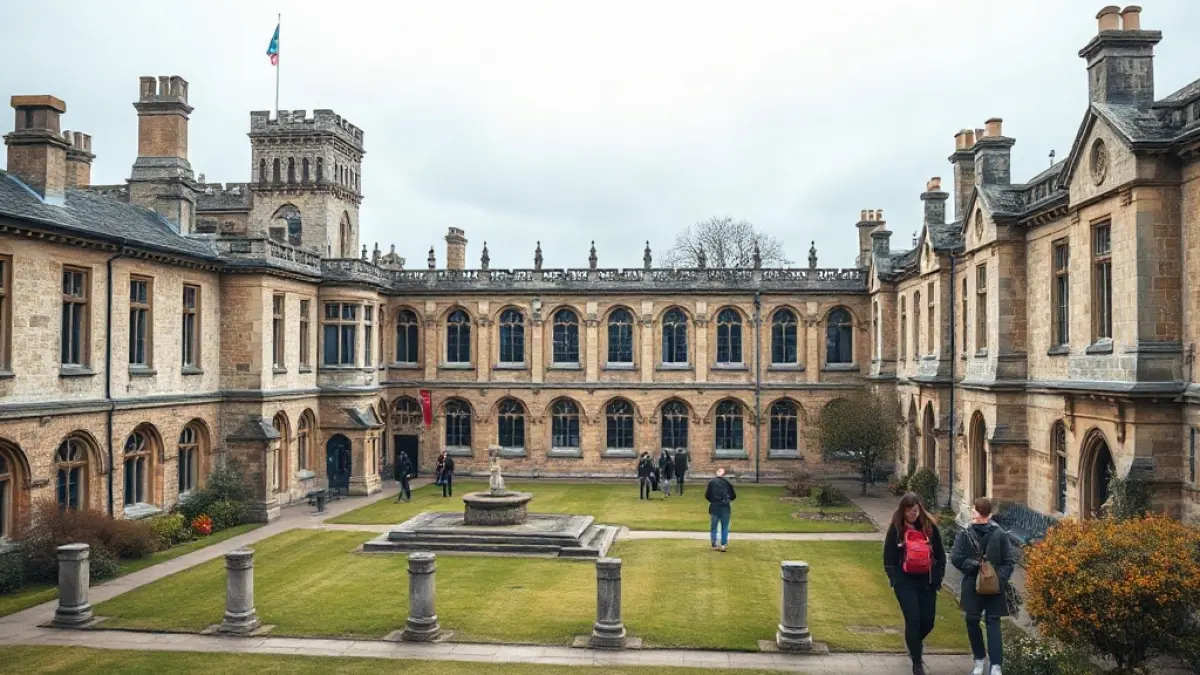
Universities in the United Kingdom are withdrawing admission offers and capping intake from Bangladesh, Pakistan, Nigeria and India, after tighter Home Office visa rules raised the risk of institutions losing permission to sponsor international students. The moves follow a sharp rise in UK study visa applications being withdrawn before a decision, particularly from applicants in Pakistan, Bangladesh and Nigeria.
The restrictions are not a blanket ban on students from these four countries. They reflect universities' concern that visa refusals among their sponsored applicants could push them beyond limits set by the Home Office.
Key facts
- New sponsor compliance requirements took effect on 1 June 2026.
- Institutions must keep a student visa refusal rate below 5%, enrol at least 95% of sponsored students and reach a course-completion rate of at least 85%.
- The required completion rate rises to 90% for assessments from June 2027.
- Before the changes, the refusal threshold was below 10% and the minimum enrolment rate was 90%.
- Withdrawn UK study visa applications reached 10.5% in the first half of 2026, against 2.3% a year earlier and 0.4% in 2023.
What is changing?
From 1 June 2026, the Home Office tightened the Basic Compliance Assessment (BCA), the annual check that universities and other licensed student sponsors must pass to keep their licences. From June 2026, institutions also receive a red, amber or green rating, with red indicating failure to meet a core requirement and amber signalling performance close to a threshold.
Universities that fail face compliance action, limits on the number of students they can sponsor and, in serious cases, revocation of their licence — which blocks them from sponsoring new international students.
Why are applications being withdrawn?
A visa refusal means UK authorities rejected an application; a withdrawal means the application ended before a final decision, either at the applicant's request or after a university withdrew the admission offer or sponsorship. Analysis of Home Office data put withdrawals at 40.9% for Pakistan (up from 3% in the first half of 2025), 23.5% for Bangladesh (up from 7.1%), 22.7% for Nigeria (up from 4.5%) and 5.2% for India (up from 1.2%). These figures are not refusal rates.
The refusal rate is calculated from visa applications backed by a university's Confirmation of Acceptance for Studies (CAS), the sponsorship reference needed for a student visa. A CAS withdrawn before a decision is left out of the calculation, giving universities a reason to screen applicants carefully before sponsoring them.
The UK government says the tougher requirements aim to improve recruitment standards and prevent misuse of the student visa route, including by people seeking asylum or illegal employment in Britain. University representatives have raised concerns about unpredictable visa decisions and the effect of the rules on legitimate applicants.
What this means for travellers and students
Students from Bangladesh, Pakistan, Nigeria and India remain eligible to apply to UK universities; individual institutions may restrict recruitment or add screening. Before applying, check whether the chosen university is still accepting applicants from your country, confirm it can provide the necessary sponsorship documentation, and make sure academic, financial and other supporting documents are complete and consistent.
More changes are ahead: the required course-completion rate rises to 90% for assessments from June 2027. The source gives no date for individual universities' recruitment restrictions to be lifted.
Also about:  Bangladesh
 Pakistan
 Nigeria
 India