
 IndonesiaTravel
Travellers to Indonesia Face €1,350–€1,650 Amsterdam Returns on Rerouted Jets
Return flights from Amsterdam to Jakarta now cost around €1,350–€1,650, roughly double pre-pandemic fares, as detours around closed Russian airspace, costly jet fuel in Indonesia and fewer direct services keep prices high.
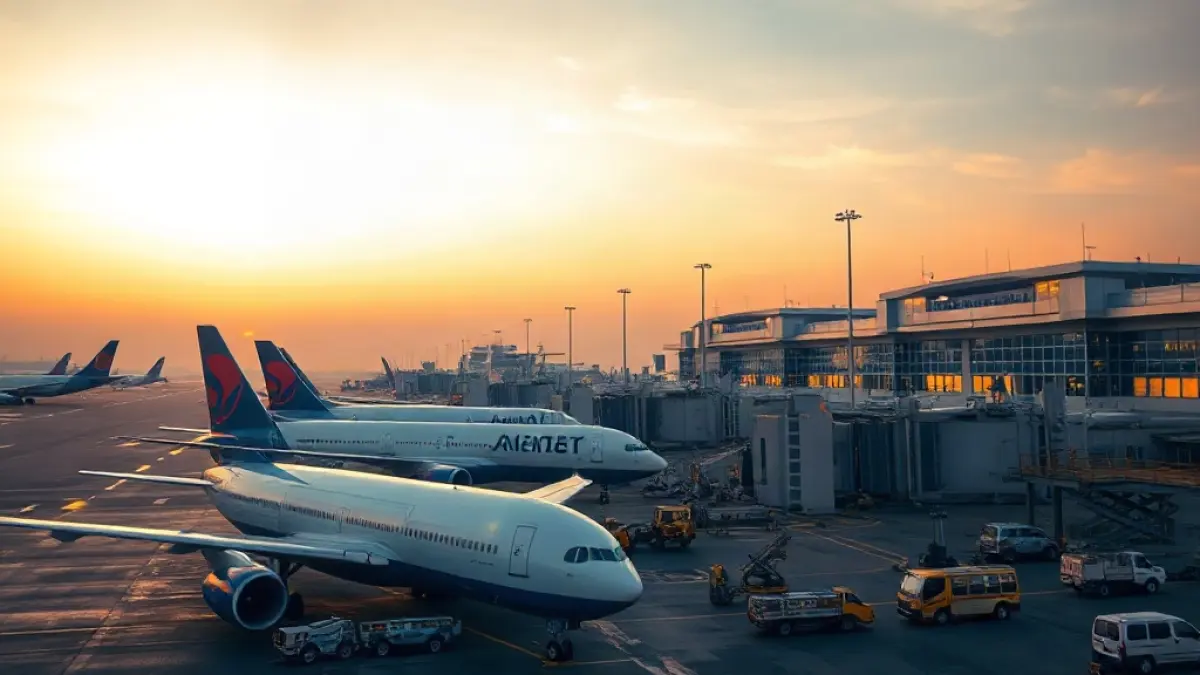
Return flights from Europe to Indonesia remain well above pre-pandemic levels in 2026. An Amsterdam–Jakarta ticket on airlines such as KLM or Garuda Indonesia now costs around €1,350 to €1,650, compared with €750 to €850 before the pandemic.
Key facts
- Amsterdam–Jakarta returns are priced at about €1,350–€1,650, nearly double pre-pandemic fares
- Detours around closed Russian airspace add up to two hours each way and burn 10–15 tonnes of extra fuel per flight
- Airlines pay up to 40% more for fuel at Jakarta than at nearby Singapore
- Fares from around €900 exist on Chinese carriers, with two stops and about 25 hours of travel
- Nonstop Europe–Indonesia flights take 14–16 hours and cost 20–40% more than connecting itineraries
- Indonesia requires passports valid for at least six months from the date of entry
Why are flights to Indonesia so expensive?
Three factors are driving the cost. European airlines cannot use Russian airspace and must fly south around the conflict zone, adding up to two extra hours each way and an extra 10 to 15 tonnes of fuel per flight for a large aircraft.
Indonesia also has some of the priciest jet fuel in Southeast Asia, with Jakarta airports charging airlines up to 40% more than Singapore; those costs are passed on to passengers. On top of that, there are fewer direct flights after Garuda Indonesia cut back its European routes following financial troubles, leaving less competition and keeping fares elevated.
What cheaper routings are available?
Chinese carriers offer options around €900, but the trip takes about 25 hours with two stops. Nonstop services take 14–16 hours and carry a 20–40% premium over connecting flights; the most frequent direct links run from Amsterdam, London and Paris to Jakarta and Denpasar.
Split ticketing via Bangkok is another way to cut costs: flying Europe–Bangkok on a full-service carrier and continuing to Jakarta on a low-cost airline can save €300–500, with regional hops often under €80 one-way. This needs a self-transfer buffer of at least six hours, and travellers may have to move between Bangkok's two airports — budget carriers often use Don Mueang while international flights land at Suvarnabhumi, a 60–90 minute transfer.
What should travellers check before flying?
Indonesia enforces a six-month passport validity rule measured from the date of entry, not the date of booking. Emergency passports with one-year validity are generally accepted, though 12-page versions are sometimes scrutinised.
At Ngurah Rai International Airport in Bali, travellers with electronic passports from most European countries can use more than 90 new autogates — but only if they buy an electronic Visa on Arrival (e-VOA) online beforehand. Paying for a visa on arrival in cash at the counter means queuing for a manual immigration officer.
The Bali tourist levy remains 150,000 IDR (about €9) and is separate from any visa. Enforcement has tightened, with checkpoints at sites such as Uluwatu and Tanah Lot verifying payment by QR code; the levy covers all of Bali province, including Nusa Penida, Nusa Lembongan and Nusa Ceningan.
Phone IMEI registration applies only to stays longer than 90 days or permanent use of a local SIM, while short-stay visitors can use a Tourist SIM. Riding a scooter requires both a full motorcycle licence from home and an International Driving Permit, with fines of 500,000 to 1 million IDR for violations.
What this means for travellers
Sharp fare drops are not expected: the Russian airspace ban shows no sign of lifting and Indonesian fuel prices remain high. Booking around six months ahead or travelling in the low season is the best route to lower prices, and travellers should confirm passport validity and settle the Bali levy before departure.
The factors pushing fares up remain in place, with no easing announced, so anyone planning a trip from Europe to Indonesia in 2026 should compare nonstop and one-stop options early.
Also about:  Netherlands
 United Kingdom
 France
 Germany
 Italy
 Russia
 Singapore