
 TaiwanVisas
Eswatini and Taiwan Weigh Pact Opening More Jobs for Emaswati
King Mswati III and Taiwanese President Lai Ching-te are considering a formal employment agreement that would let Emaswati work in Taiwan outside education. Talks would cover visas, credential recognition and labour protections, but nothing has been signed.
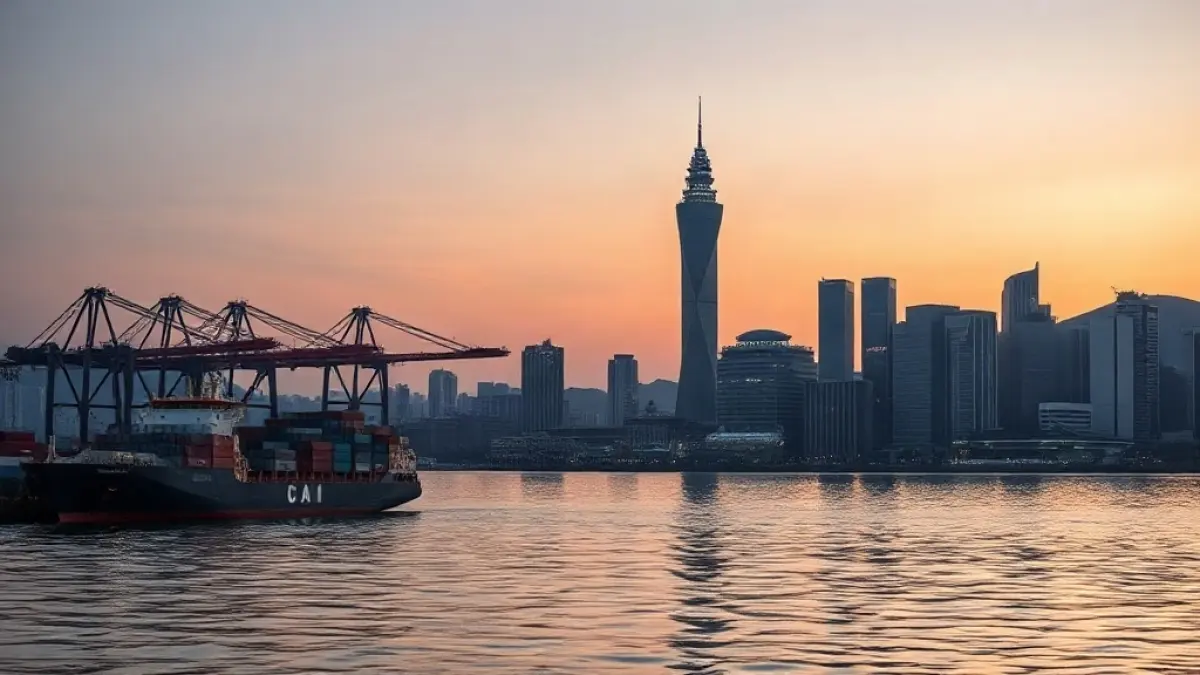
King Mswati III and Taiwanese President Lai Ching-te are considering formalising an expanded employment agreement that would open professional jobs in Taiwan to Emaswati beyond the education sector. The high-level discussions took place during the King's visit to Kaohsiung, where he also met E-United Group founder Lin Yi-shou. No agreement has been signed and no start date has been announced.
Key facts
- Leaders discussed the idea during King Mswati III's visit to Kaohsiung.
- The proposed pact would extend beyond teaching into healthcare, engineering, manufacturing and technology.
- It would address visa regulations, professional credential recognition and labour protections.
- About 89 Emaswati have completed medical degrees in Taiwan and returned home.
- Formalisation remains subject to negotiations on labour quotas, sectoral needs and qualification alignment.
What is being considered?
The two sides are weighing a formal, government-to-government employment framework for Eswatini nationals working in Taiwan. According to the discussions, such an agreement would systematically address visa regulations, the recognition of professional credentials and labour protections for Emaswati entering Taiwanese industries.
The aim is to give expatriate workers fair compensation, adequate working conditions and legal recourse, and to reduce reliance on private recruitment agencies by creating a transparent corridor for skilled labour.
Who would be affected?
Employment opportunities for Emaswati in Taiwan have so far been concentrated in education. Under Taiwan's Bilingual 2030 policy — an initiative to make the island a bilingual society and raise English proficiency — Eswatini educators have been delivering English-medium instruction from primary schools through to university level, as well as helping optimise learning platforms and modernise curricula.
The negotiations aim to diversify that pipeline into sectors including healthcare, engineering, manufacturing and technology. The framework also raises the potential for Eswatini medical graduates to undertake extended clinical practice within Taiwan.
What would change for visas and credentials?
The source describes the current situation as ad hoc visa processing and credential verification, with limited and informal engagement outside the education sector. The proposal is for streamlined, government-to-government credential recognition and labour protection instead.
No visa type, duration of stay, fee, quota or application procedure has been announced, and the source gives no timetable for any of these details.
Why is this happening?
The discussions come as Taiwan faces demographic shifts and sectoral labour shortages, which the expanded framework is presented as a way to address through workforce mobility. For Eswatini, the expected gains are remittances and the acquisition of industrial skills that workers could bring home.
The two countries already have an educational track record: roughly 89 Emaswati have completed medical degrees at Taiwanese academic institutions and returned to serve in Eswatini's healthcare system.
What this means for travellers
Nothing changes yet. The agreement is under consideration only, so Emaswati interested in working in Taiwan should note that no new visa route, recruitment process or timeline has been published. Details on labour quotas, sectoral needs and how educational qualifications will be aligned are still to be negotiated.
What happens next
Formalisation of the pact remains subject to detailed negotiations. The source states that the political will shown at the highest levels points to a strong commitment to the idea, but gives no date for a decision or signature.
Also about:  Eswatini