
 DR CongoTravel
Travellers to DR Congo: Ebola reaches Bulu and Dungu, 63 zones now affected
The World Health Organization says Ebola of the Bundibugyo strain has reached Bulu in South Ubangi and Dungu in Haut-Uele, bringing the total to 63 affected health zones across seven provinces. The country has reported 7,890 confirmed cases and 3,799 deaths as of 23 September.
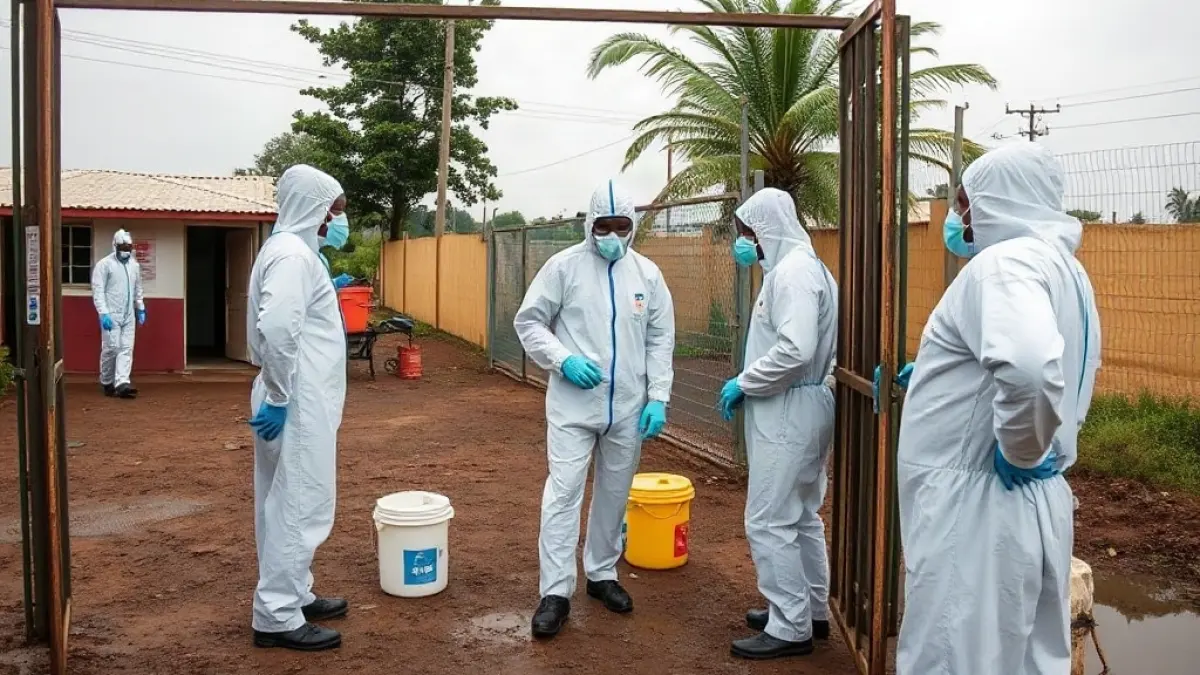
Ebola caused by the Bundibugyo strain has appeared in two additional health zones in the Democratic Republic of the Congo, the World Health Organization (WHO) said on Friday. New cases were identified in Bulu, in South Ubangi governorate on the border with the Central African Republic, and in Dungu, in Haut-Uele province on the border with South Sudan.
Key facts
- New affected areas: Bulu (South Ubangi, bordering the Central African Republic) and Dungu (Haut-Uele, bordering South Sudan).
- Overall reach: 63 health zones across seven provinces.
- Caseload as of 23 September: 7,890 confirmed cases and 3,799 deaths, according to the WHO.
- Strain: Bundibugyo, for which the WHO says there are no approved vaccines.
- Worst-hit province: Ituri, with 6,032 confirmed cases since the epidemic started in May.
How far has the outbreak spread?
The two new health zones bring the total to 63 affected zones in seven provinces, as authorities struggle to contain the epidemic. Ituri province, in the northeast of the country, remains the epicentre with 6,032 confirmed cases since the outbreak began in May, including 868 new confirmed cases reported in the last 21 days.
North Kivu is the second most affected province, with 1,480 cases, including 567 reported in the last 21 days. According to a WHO report issued on Sunday, the province now accounts for around a third of newly confirmed cases and deaths. Nearly 60 percent of people diagnosed in North Kivu died, well above the national average of 48 percent.
Why is the outbreak hard to control?
WHO Director-General Tedros Adhanom Ghebreyesus said conflict and population displacement are making it harder for health workers to reach affected communities and trace people who may have been exposed to the virus. "There is an access problem to some areas," he said.
Contact tracing is falling short of targets, according to Dr Jean Kaseya, director-general of the Africa Centres for Disease Control and Prevention (Africa CDC). More than 7,000 confirmed cases should translate to about 420,000 contacts, he said, but only 30,000 people are currently on the contact list. Medical staff also say patients are avoiding health facilities until it is too late to treat them effectively.
What makes the Bundibugyo strain difficult to treat?
Tedros said the Bundibugyo strain is difficult to treat because there are no approved vaccines, and that the WHO is accelerating clinical trials of vaccines and treatments. Responders say that in the early stages of infection, patients often develop milder symptoms that can be mistaken for more common illnesses such as malaria and typhoid fever.
North Kivu was the epicentre of three previous Ebola outbreaks, including one in 2018–2020 that was previously the country's largest and deadliest. Those outbreaks were caused by a different type of Ebola virus, known as the Zaire strain.
What this means for travellers
The WHO update places the newest cases in border regions adjoining the Central African Republic and South Sudan, alongside the long-running outbreak areas of Ituri and North Kivu. Travellers heading to those parts of the country should monitor further WHO and health authority updates on where cases are being confirmed.
The WHO said it is accelerating clinical trials of vaccines and treatments for the Bundibugyo strain. No dates have been announced for those trials.
Also about:  Central African Republic
 South Sudan