
 South SudanTravel
Travellers to or from South Sudan face Ebola screening at border points near Aba
Health authorities in the Democratic Republic of the Congo and South Sudan, supported by WHO, are jointly strengthening Ebola surveillance at border crossing points near Aba. Travellers face handwashing, temperature checks and symptom questions at operational entry points.
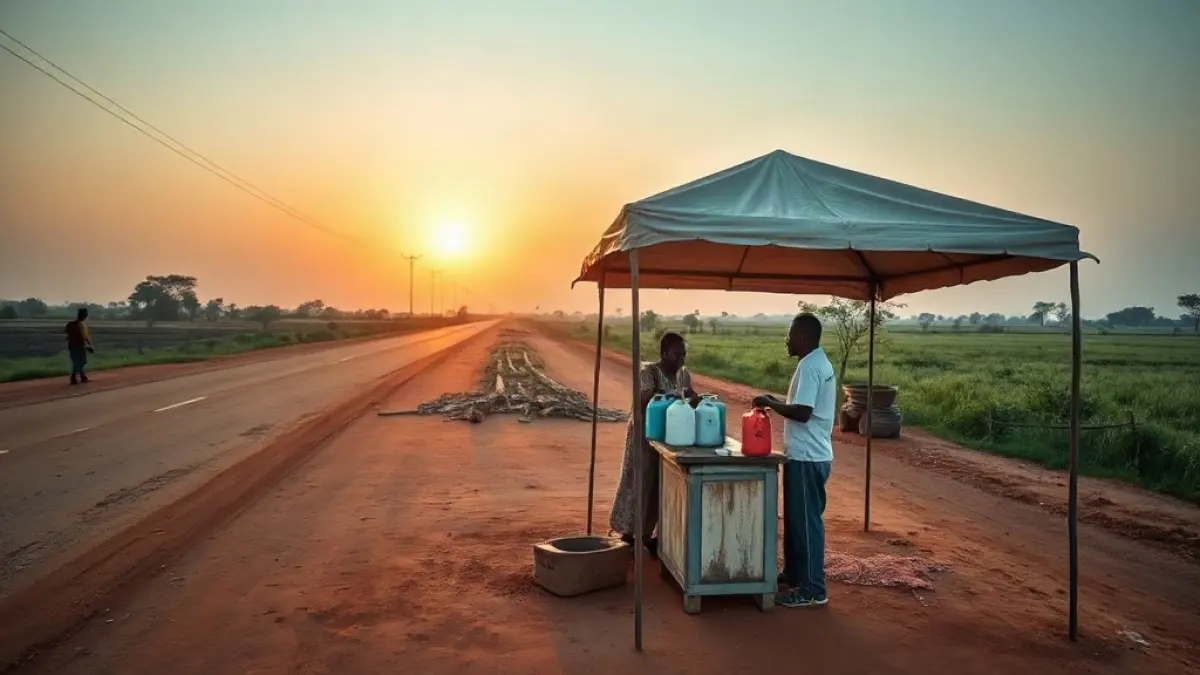
Health authorities in the Democratic Republic of the Congo (DRC) and South Sudan, with support from the World Health Organization (WHO), are strengthening cross-border Ebola surveillance and coordination to detect alerts quickly and stop the virus spreading across the border. The move affects crossing points around Aba, a DRC health zone about 18 kilometres from the South Sudan border, where officials from both countries have agreed a joint response plan.
Key facts
- As of 17 October 2026, Haut-Uélé province had recorded 408 confirmed cases and 176 deaths.
- 7 of the 13 health zones in Haut-Uélé are affected; Aba has reported no cases.
- Five of the eleven proposed entry and control points in Aba are already operational.
- Border screening includes handwashing, temperature checks and collection of traveller information.
- Officials agreed to share surveillance and communication information each week.
What is happening at the border?
Health officials from both countries met in Aba to set up common surveillance and response mechanisms. Their roadmap covers information sharing, disease surveillance, joint investigations and risk communication, with a schedule for weekly exchange of information on communication and disease surveillance.
Dr Patrick Banza Piongo, Head of the Haut-Uélé Provincial Health Division, said the frequent movement between Aba and the Yei health zone made the meeting a chance to build joint mechanisms against the epidemic. Dr Simon Sebit Yatoma, Medical Director of Yei River County in South Sudan, said the two sides are working together so that a case, if it occurs, can be met with a joint and rapid response, noting that "viruses have no borders".
What checks will travellers face?
At points of entry, the system relies on handwashing, temperature checks and information collection to quickly identify travellers with suspicious symptoms. A temporary isolation space allows suspected cases to be held until a rapid response team arrives to investigate, take samples and provide care.
Joint investigations, contact tracing and harmonised awareness messages for communities are planned in both Aba and Yei. WHO said it is also building capacity in South Sudan and other neighbouring countries at risk of importing the virus, including assessments, surveillance strengthening, training in contact tracing and investigations, laboratory detection and confirmation, and preparation of treatment facilities.
How close is the outbreak?
The Ebola outbreak has already affected several health zones in Haut-Uélé, with 408 confirmed cases and 176 deaths recorded as of 17 October 2026 and 7 of 13 health zones impacted. Aba, about 436 kilometres from Isiro, the provincial capital, has reported no cases, but its position and regular cross-border movements make it a high-risk area, the WHO report says. More than 26,000 South Sudanese refugees live in the Aba health zone, including in the Méri camp.
What gaps remain?
Only five of the eleven proposed entry and control points in Aba are operating. The health zone also faces shortages of personal protective equipment, inadequate isolation capacity and no ambulance for transferring suspected cases. Assessments are under way by the Ministry of Health with partner support to fill these gaps as quickly as possible, the report states.
What this means for travellers
Anyone crossing between the DRC and South Sudan in the Aba–Yei area should expect health screening at entry points, including handwashing, temperature checks and questions about symptoms, and should allow extra time at border posts. Travellers who develop suspicious symptoms after visiting the area should expect contact tracing and follow-up to be part of the joint response.
WHO's Regional Director for Emergencies in Africa, Dr Marie Roseline Bélizaire, said the priority is to help neighbouring countries quickly detect alerts, confirm suspected cases and ensure patient care, to reduce the risk of Ebola spreading beyond borders. No date has been announced for completing the remaining entry points in Aba.
Also about:  DR Congo