
 South Sudane-Visa
South Sudan eVisa: firm confirms 75% share of a $15 service fee
Crawford Capital says it keeps 75% of a $15 convenience fee charged for selected South Sudan digital government services, with the ministry receiving 25%. A UN report cites an extra US$20.16 eVisa service fee in one example.
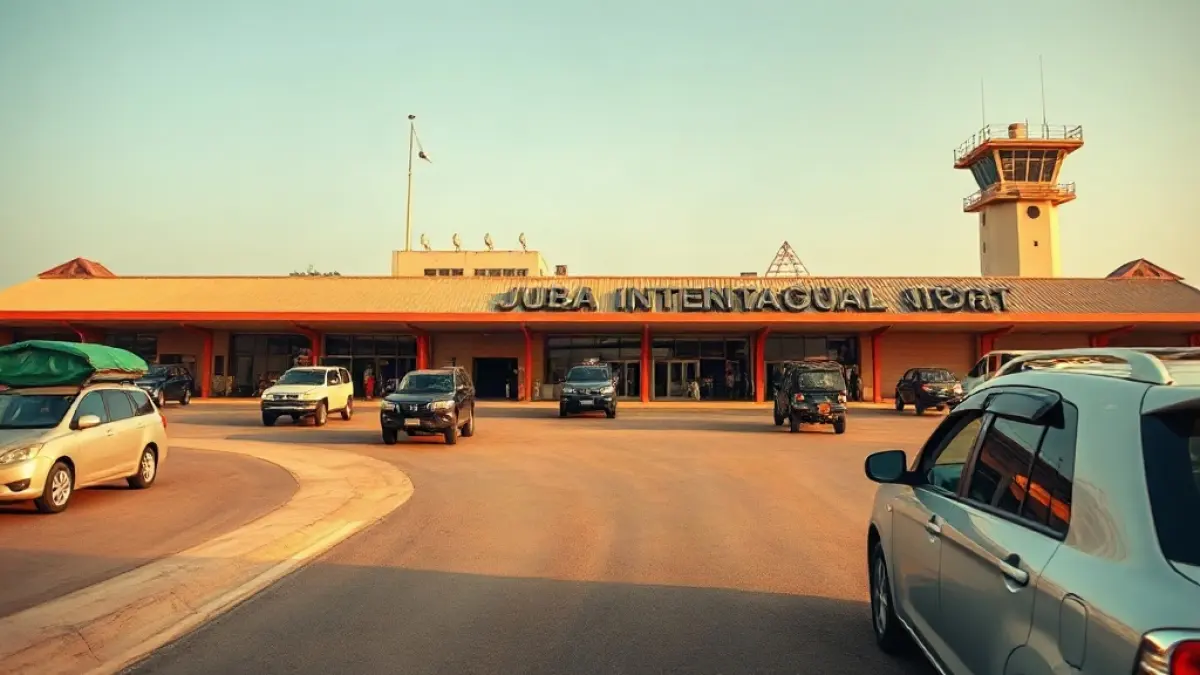
Crawford Capital has explained how it splits the fees collected for selected digital government services in South Sudan, including services connected to the country's eVisa system. In a statement issued on 22 June 2026, the company said it keeps 75 percent of a $15 convenience fee, while the relevant ministry receives the remaining 25 percent.
Key facts
- Crawford keeps $11.25 of a $15 convenience fee; the ministry receives $3.75
- The split applies to the convenience fee only, not the underlying government charge
- A 2025 United Nations report cites an additional US$20.16 service fee in one eVisa example
- Crawford says its operations run under formal agreements with government institutions
How is the $15 fee split?
Crawford said the arrangement covers a $15 convenience fee charged for selected digital government services in South Sudan. Under the 75/25 model, the company's share is $11.25 and the ministry's share is $3.75. The company stressed that the split applies to the convenience fee and not to the underlying government charge.
Crawford maintains that its operations are governed by formal agreements with government institutions and that its convenience fees are separate from government revenue.
What do travellers pay on top of eVisa charges?
A 2025 report by the United Nations Commission on Human Rights in South Sudan describes a 75 percent profit-sharing arrangement under an eServices agreement. The report also discusses eVisa charges, including an additional US$20.16 service fee in an example cited in paragraph 156.
The report separately discusses fees for oil accreditation, which are calculated on a different basis.
What is still unclear?
The explanation follows questions over the company's contracts for digital government services and revenue collection in South Sudan. Crawford's statement does not clarify whether the differences in the reported fees reflect separate contracts, changes in charges over time or different arrangements for individual services.
The basis used to calculate the fee share determines how much each party receives. Under Crawford's stated model, 75 percent of a $15 convenience fee is $11.25; if the same percentage were applied to a $100 government charge, the service provider would receive $75.
Establishing how the different arrangements operate would require the relevant contracts, fee schedules and payment records showing what customers pay and how the money is distributed, the statement and report indicate.
What this means for travellers
Anyone applying for a South Sudan eVisa should be aware that service or convenience fees may be charged on top of the government visa charge, and that different services carry different fee structures. The source does not state the total cost of an eVisa application or the standard government charge.
Clarifying the reported fee differences will depend on the contracts, fee schedules and payment records. No further announcement on charges has been made.