
 IraqTravel
Najaf reopens to Iran flights; Baghdad, Erbil, Sulaimaniyah still closed
Iraq says the United States has granted a sanctions exemption letting Iranian airlines, except Mahan Air, run up to 40 flights a day to Najaf. Flights to Baghdad, Erbil and Sulaimaniyah remain suspended.
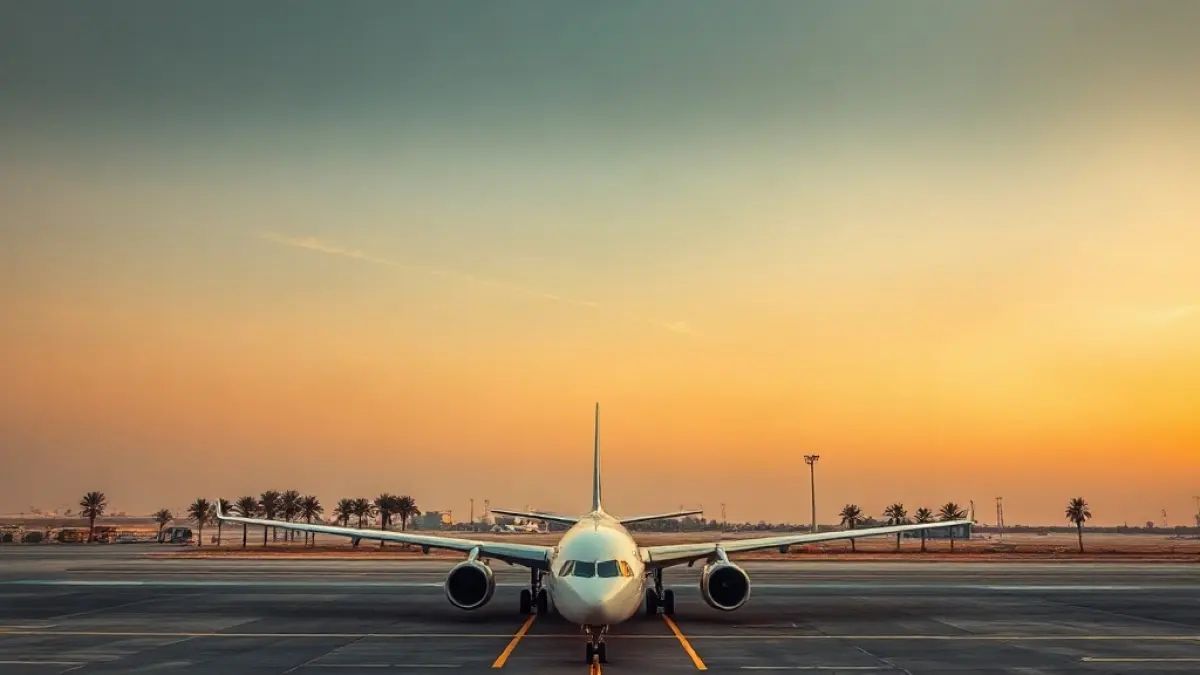
Iraq has agreed to let Iranian airlines operate up to 40 flights a day to and from Najaf International Airport, after the United States granted an exemption from its sanctions on Iran's aviation sector. The office of Prime Minister Ali al-Zaidi announced the agreement on 2 October 2026, a day after Tehran urged Baghdad to lift flight restrictions it said were hurting pilgrims, patients, students and business travellers. Mahan Air is excluded from the deal.
Key facts
- Up to 40 flights a day to and from Najaf International Airport
- Mahan Air is not covered by the agreement
- Announced on 2 October 2026 by Prime Minister Ali al-Zaidi's office
- Flights between Iran and Baghdad, Erbil and Sulaimaniyah remain suspended
- Before the ban, there were roughly 25 daily flights from Iran to Najaf and about 15 to Baghdad
What is changing?
Iranian airlines other than Mahan Air may now operate up to 40 flights a day to and from Najaf. Flights between Najaf and Iran had already restarted late on Monday, according to the Iraqi News Agency. Baghdad says Washington granted the necessary exemption after direct talks between the two governments.
Flights between Iran and Baghdad, Erbil and Sulaimaniyah airports are still suspended. Passengers on those routes are being pushed into land journeys of at least 12 hours, which is disrupting pilgrim traffic.
Why were flights stopped?
The US Treasury announced sanctions on 8 September against 36 entities linked to Iran's aviation sector. Foreign ground-handling companies then refused to service Iranian aircraft for fear of falling foul of US sanctions, and flights stopped at four Iraqi airports.
Iraq's ambassador to Tehran, Yasser al-Hajjaj, told Iran's IRNA news agency that Baghdad had not ordered the halt. The suspension prompted demonstrations outside Najaf airport and in Nasiriya, Karbala and Amarah, according to Iran's Press TV.
Iran's ambassador to Baghdad, Mohammad Kazem al-Sadegh, told the Iranian news agency ISNA that there had been roughly 25 daily flights from Iran to Najaf and about 15 flights to Baghdad before the ban. Around 12,000 to 13,000 people travel between Iran and Iraq and back on Iranian airlines, he added. Iran's Foreign Ministry said on Thursday that Washington's "illegal and inhumane" extraterritorial enforcement of sanctions was disrupting Iran's trade and air transport.
Who travels on these routes?
Najaf is the main destination for Iranian flights in Iraq. Flights to and from the city carry Iraqi Shia Muslim pilgrims to Iran's holy cities as well as Iranians visiting sacred sites in Iraq.
What this means for travellers
Travellers flying between Iran and Iraq can again use Iranian airlines on the Najaf route, up to the 40-flight daily cap, but not Mahan Air. Anyone booked on routes to or from Baghdad, Erbil or Sulaimaniyah should expect those flights to remain unavailable and plan for land journeys of at least 12 hours. No date has been announced for resuming flights at those three airports.
Al-Zaidi's office welcomed the US response and its cooperation in granting the exemption, describing air travel as a bridge of communication between peoples. Foreign Minister Fuad Hussein said the return of flights supports an Iraqi-US partnership based on mutual respect and welcomed what he described as US understanding of the importance of religious freedom and access for visitors to holy sites.
Also about:  Iran
 United States